

Table of Contents
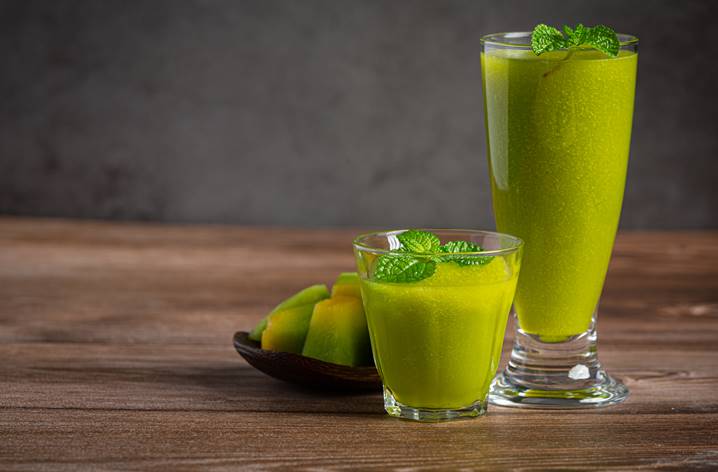
Sattu Benefits: Why You Should Try This Traditional Summer Drink
As summer temperatures continue to rise across India and many parts of the world, maintaining hydration and energy becomes increasingly important. While commercial beverages often contain excessive amounts of sugar and artificial additives, traditional Indian foods offer simple and nutritious alternatives. Among them, sattu has stood the test of time as a wholesome, refreshing, and highly nutritious summer drink.
Sattu is typically prepared from roasted Bengal gram (Cicer arietinum), although some regional varieties may include roasted barley or other pulses. For generations, it has been consumed as a cooling beverage and convenient source of nourishment, especially in eastern and northern India. Today, growing scientific evidence supporting the health benefits of legumes and whole-food nutrition is helping validate many of the traditional claims associated with sattu.
Why Sattu Is the Perfect Summer Drink
Summer heat increases the risk of dehydration and fatigue due to excessive sweating. Sattu helps by providing water, electrolytes, protein, and slow-digesting carbohydrates. When mixed with water, lemon, and a pinch of salt, it becomes a refreshing beverage that supports hydration and sustained energy.
Unlike many commercial drinks, sattu contains no added preservatives and can be prepared easily at home.
Best Time to Consume Sattu During Summer
Morning: A glass of sattu in the morning provides protein and fiber that may help keep you full and energized.
Mid-Morning: Sattu can be consumed as a hydrating drink to replenish fluids lost through sweating.
Post-Workout: Its protein content makes it a useful recovery beverage after physical activity.
Evening Snack: Sattu can serve as a healthier alternative to processed snacks and sugary drinks.

Top Health Benefits of Sattu
Natural Body Cooling During Summer
One of the most recognized traditional uses of sattu is helping the body cope with summer heat. While no food directly lowers body temperature, maintaining hydration and electrolyte balance is essential during hot weather. Sattu contains minerals such as potassium and magnesium that help regulate fluid balance. Consuming a sattu drink with water may therefore support hydration and reduce feelings of exhaustion associated with excessive heat exposure.
Rich Source of Plant-Based Protein
Protein is required for muscle maintenance, tissue repair, enzyme production, and immune function. Sattu provides approximately 20-25 grams of protein per 100 grams, making it a valuable protein source for vegetarians. Research published in Nutrients indicates that adequate protein intake supports muscle health, appetite regulation, and metabolic function. Adding sattu to the diet can help improve daily protein intake without relying solely on animal-based foods.
Supports Digestive and Gut Health
Dietary fiber is essential for maintaining digestive health, and sattu is naturally rich in fiber.
Fiber helps:
- Promote regular bowel movements
- Reduce constipation
- Support beneficial gut bacteria
- Improve digestive comfort
Research shows that fiber acts as a prebiotic, feeding beneficial microbes in the intestine. These bacteria produce short-chain fatty acids that support gut barrier function and overall digestive health. The combination of fiber and resistant starch in roasted gram makes sattu a gut-friendly food that can be incorporated into a balanced diet.
May Help Manage Weight
Foods rich in protein and fiber are known to promote satiety and reduce hunger. Protein influences appetite-regulating hormones, while fiber slows digestion and increases feelings of fullness. Studies published in The American Journal of Clinical Nutrition have demonstrated that higher protein intake can help reduce calorie consumption and support healthy weight management. Replacing high-calorie snacks or sugary beverages with sattu may help individuals better manage their appetite while improving overall nutrient intake.
Boosts Energy Naturally
Sattu provides complex carbohydrates that release glucose gradually into the bloodstream. This slower digestion helps provide sustained energy throughout the day. Unlike refined carbohydrates that may cause sudden energy crashes, sattu delivers a steady supply of fuel. Its B vitamins also support energy metabolism by helping the body convert nutrients into usable energy. For this reason, sattu has traditionally been consumed by laborers and farmers who require long-lasting energy during physically demanding work.
May Help Regulate Blood Sugar Levels
Legumes such as chickpeas are known for their low glycemic index and beneficial effects on glucose metabolism. The fiber and protein present in sattu slow carbohydrate absorption and may reduce rapid increases in blood sugar levels after meals. Research published in Diabetes Care found that regular pulse consumption can improve glycemic control and insulin sensitivity.
Unsweetened sattu beverages may therefore be a healthier option than sugar-sweetened drinks for individuals seeking better blood sugar management. People with diabetes should still consult healthcare professionals regarding appropriate dietary choices.
Supports Heart Health
Evidence suggests that regular consumption of legumes may contribute to cardiovascular health. The fiber content in sattu may help support healthy cholesterol levels, while potassium and magnesium contribute to normal blood pressure regulation. Reviews published in British Journal of Nutrition have reported associations between pulse consumption and improved cardiovascular risk factors. Although sattu alone cannot prevent heart disease, it can form part of a heart-healthy dietary pattern.
Scientific Evidence Supporting Sattu
Direct clinical studies on sattu are limited, but extensive research exists on its main ingredient-roasted chickpeas and other legumes. Studies consistently show that diets rich in legumes are associated with:
- Improved digestive health
- Better blood sugar control
- Greater satiety
- Improved weight management
- Better cardiovascular health
- Higher overall nutrient intake

Nutritional Value of Sattu
Sattu is considered a nutrient-dense food because it provides both macronutrients and micronutrients in significant amounts.
Per 100 grams, sattu typically contains:
- Protein: 20-25 g
- Carbohydrates: 55-60 g
- Dietary Fiber: 10-18 g
- Healthy fats: 5-7 g
- Iron
- Magnesium
- Potassium
- Calcium
- Phosphorus
- Folate
- B-complex vitamins
It also contains essential amino acids such as lysine, leucine, valine, and isoleucine that support muscle maintenance and metabolic functions.
The Bottom Line
Sattu is a nutrient-rich traditional food that combines protein, fiber, essential minerals, and complex carbohydrates in a convenient and affordable form. Its nutritional profile makes it particularly useful during summer when hydration and sustained energy are important.
Regular consumption of unsweetened sattu as part of a balanced diet may support digestive health, healthy weight management, blood sugar control, hydration, and overall well-being. As interest in traditional and minimally processed foods continues to grow, sattu remains one of India’s most practical and nutritious summer beverages.
References
- Marinangeli CPF, Jones PJH. Pulse grain consumption and human health: A review. Br J Nutr. 2012;108(S1):S3-S10. PMID: 22916813
- Rebello CJ, Greenway FL, Finley JW. A review of the nutritional value of legumes and their effects on obesity and cardiovascular disease. Br J Nutr. 2014;111(7):1177-1184. PMID: 24262435
- Slavin JL. Dietary fiber and body weight. Nutrition. 2005;21(3):411-418. PMID: 15797686
- Makki K, Deehan EC, Walter J, Bäckhed F. The impact of dietary fiber on gut microbiota in host health and disease. Cell Host Microbe. 2018;23(6):705-715. PMID: 29902438
- Viguiliouk E, Blanco Mejia S, Kendall CWC, et al. Effect of pulse consumption on glycemic control. Diabetes Care. 2014;37(7):2021-2029. PMID: 24722494
- Becerra-Tomás N, Díaz-López A, Rosique-Esteban N, et al. Legume consumption is associated with reduced obesity risk. Clin Nutr. 2015;34(3):329-333. PMID: 24929935