

Diabetes in India has become one of the most important public health challenges. The condition is no longer limited to older adults; type 2 diabetes is increasingly being identified in younger and middle-aged people as well. The ICMR-INDIAB national study published in The Lancet Diabetes & Endocrinology estimated that more than 100 million adults in India were living with diabetes, while a much larger population had prediabetes. The study also demonstrated substantial variation between states and regions, highlighting the complex interaction between lifestyle, environment, metabolic health, and biological susceptibility.
Diabetes develops when blood glucose remains abnormally high because the body does not produce enough insulin, cannot use insulin effectively, or both. Although type 1 diabetes has a different biological mechanism and requires insulin treatment, the increasing burden of diabetes in India is largely driven by type 2 diabetes. The good news is that many of the major risk factors for type 2 diabetes can be modified. Healthy eating, regular physical activity, maintaining a healthy body weight, adequate sleep, and early screening can substantially reduce risk and improve glucose control.

5 Major Reasons for the Occurrence of Diabetes in India
1. Genetic Susceptibility and Family History
Genetic susceptibility is an important contributor to diabetes risk among Indians. Having a parent or close family member with type 2 diabetes increases the likelihood of developing the condition. However, genes do not automatically determine whether a person will develop diabetes. Rather, genetic susceptibility can interact with excess body fat, dietary patterns, physical inactivity, sleep problems, and other environmental factors.
This is particularly relevant in India because diabetes can occur at comparatively lower levels of body weight than many people expect. Therefore, relying only on body weight or appearance to assess diabetes risk can be misleading. People with a strong family history should consider periodic screening of fasting blood glucose and HbA1c, particularly as they get older or develop additional risk factors.

2. Abdominal Obesity and Excess Body Fat
Abdominal obesity is one of the most important modifiable risk factors for type 2 diabetes. Excess visceral fat can promote insulin resistance, meaning that the body’s cells become less responsive to insulin. The pancreas may initially compensate by producing more insulin, but eventually glucose levels can rise when compensation becomes inadequate.
The ICMR-INDIAB research has documented a substantial burden of generalized and abdominal obesity in India, with abdominal obesity associated with physical inactivity, urban residence, hypertension, and diabetes.
Importantly, diabetes risk is not determined by body weight alone. Waist circumference, metabolic health, family history, blood pressure, and lipid levels also matter.

3. Sedentary Lifestyle and Physical Inactivity
Modern lifestyles have significantly reduced daily physical activity for many Indians. Office-based employment, prolonged sitting, increased use of motor vehicles, screen time, and reduced recreational activity can decrease energy expenditure and worsen insulin sensitivity.
Physical activity helps skeletal muscles use glucose more efficiently and can improve insulin sensitivity even without substantial weight loss. The American Diabetes Association recommends at least 150 minutes of moderate-intensity physical activity each week for adults at high risk of type 2 diabetes, together with lifestyle interventions for weight management.
For many people, brisk walking, cycling, swimming, resistance training, or other enjoyable activities can become practical ways to increase daily movement.

4. Unhealthy Dietary Patterns
Diet is another major contributor to diabetes risk. Traditional Indian diets can be highly nutritious, but modern dietary patterns may contain excessive refined grains, sweets, sugar-sweetened beverages, fried foods, ultra-processed foods, and calories while providing insufficient dietary fibre and vegetables.
The World Health Organization emphasizes that healthy diets should prioritize diverse, minimally processed foods and limit free sugars, unhealthy fats, and highly processed foods.
For diabetes prevention and management, replacing refined carbohydrates with higher-fibre options can be beneficial. Meals can emphasize vegetables, pulses, beans, whole grains, nuts, seeds, unsweetened dairy or suitable alternatives, and appropriate portions of protein-rich foods. The goal is not necessarily to eliminate carbohydrates but to improve their quality, quantity, and distribution throughout the day.

5. Stress, Poor Sleep, and Lifestyle
Chronic psychological stress and inadequate sleep may also contribute to poor metabolic health. Stress can affect eating behavior, physical activity, hormonal regulation, and glucose metabolism. Sleep deprivation may similarly interfere with appetite regulation and insulin sensitivity.
Urbanization can amplify several of these factors simultaneously. The ICMR-INDIAB research has identified important associations between diabetes-related metabolic risk and urbanization, obesity, and physical inactivity.
Therefore, diabetes prevention should not focus exclusively on sugar intake. Overall lifestyle, including sleep, stress management, physical activity, body composition, and dietary quality, is important.
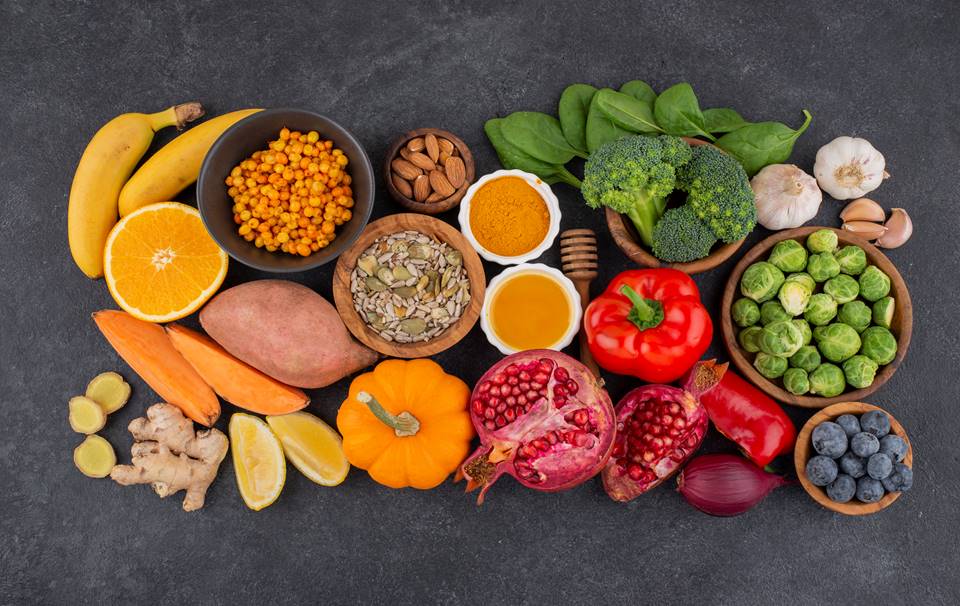
Natural Management of Diabetes: What Actually Works?
Natural management of diabetes should mean evidence-based lifestyle management rather than replacing medical treatment with herbal remedies or supplements. People already diagnosed with diabetes should not stop prescribed medicines or insulin without medical supervision.
Follow a High-Quality, Balanced Diet
A diabetes-friendly eating pattern should emphasize vegetables, pulses, legumes, whole grains, nuts, seeds, whole fruits, and appropriate sources of protein. Minimize sugar-sweetened beverages, sweets, refined grains, and highly processed foods. The American Diabetes Association’s 2026 Standards of Care specifically recommends emphasizing non-starchy vegetables, whole fruits, legumes, lean proteins, whole grains, nuts, and seeds while limiting sugar-sweetened beverages, sweets, refined grains, and ultra-processed foods.
Exercise Regularly
Aim for at least 150 minutes of moderate-intensity activity each week, such as brisk walking, along with resistance exercise when appropriate. Breaking up long periods of sitting with short movement breaks can also support a more active lifestyle.
Maintain a Healthy Body Weight
For people with overweight or obesity, even moderate weight reduction can improve blood glucose and cardiometabolic health. The ADA recommends structured lifestyle interventions aiming for at least 5-7% weight loss in appropriate individuals.
Improve Sleep and Manage Stress
Consistent sleep schedules, relaxation techniques, social support, mindfulness, yoga, and regular physical activity may help improve overall well-being and make diabetes self-management easier. These measures should complement not replace dietary and medical treatment.
Monitor Blood Glucose and Have Regular Health Checks
Diabetes can remain unnoticed for years. Regular testing of fasting glucose and HbA1c can help identify diabetes or prediabetes early, particularly in people with family history, abdominal obesity, hypertension, or other risk factors. Early diagnosis is important because uncontrolled diabetes can damage the eyes, kidneys, nerves, heart, and blood vessels.
Conclusion
The increasing occurrence of diabetes in India is the result of multiple interacting factors rather than a single cause. Genetic susceptibility, abdominal obesity, physical inactivity, unhealthy dietary patterns, and stress or inadequate sleep can collectively increase the risk of type 2 diabetes. India’s rapid urbanization and lifestyle changes have further intensified these challenges.