

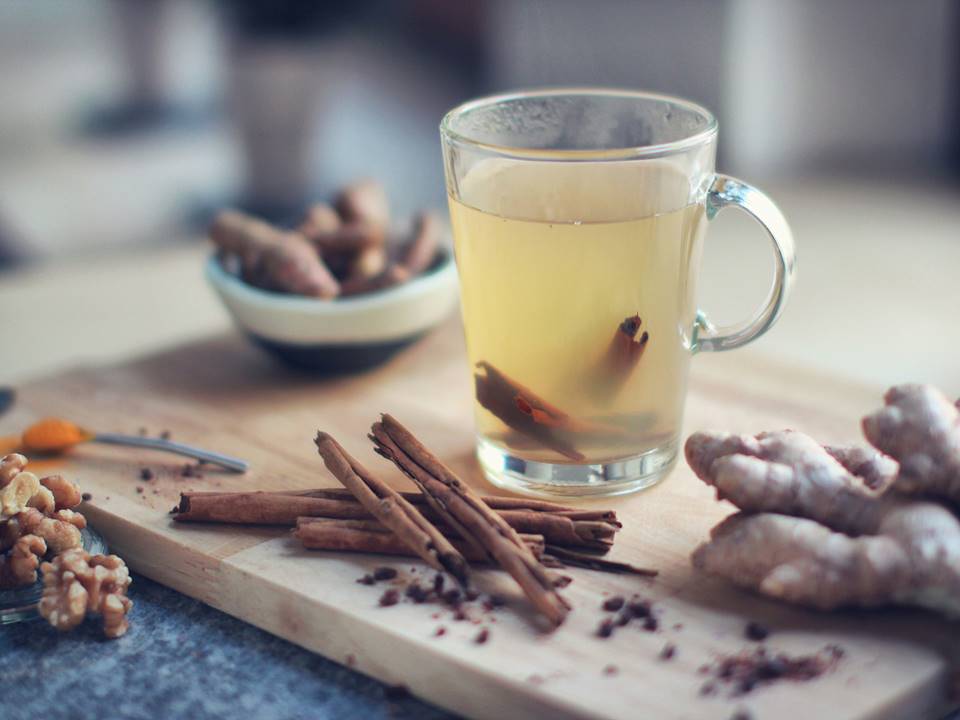
Your gut does much more than digest food. The gastrointestinal tract is home to trillions of microorganisms that interact with the foods you eat and play important roles in digestion, metabolism and immune function. Research suggests that dietary patterns can substantially influence the composition and activity of the gut microbiome, making everyday food choices an important part of digestive wellness [1].
One simple way to increase your intake of gut-friendly ingredients is through a homemade beverage. However, the best gut-health drink is not necessarily an expensive probiotic beverage or a drink marketed as a “detox.” A better approach is to combine hydration, probiotics and dietary fiber using simple ingredients.
A homemade yogurt-based drink containing chia seeds, ginger and lemon can be a practical option. It provides fluid, fermented-food components and fiber while avoiding the excessive added sugar found in many commercial beverages. Importantly, a single drink cannot transform the gut microbiome overnight. Gut health is influenced by the overall dietary pattern, lifestyle and individual tolerance.

What Makes a Drink Good for Gut Health?
A gut-friendly beverage should ideally provide more than hydration. It can include ingredients that contribute probiotics, fermentable fiber, plant compounds and nutrients, while remaining relatively low in added sugar.
Dietary fiber is particularly important because certain fibers can be fermented by gut microorganisms and influence the microbial community. Reviews of human studies have found that different types of fermentable fibers and prebiotics can affect gut bacteria, although responses vary considerably between individuals [2].
Fermented foods can also contribute microorganisms and fermentation-derived compounds to the diet. A review of human intervention studies found evidence that fermented foods such as kefir and other fermented products may modify the gut microbiota, although the researchers emphasized that more high-quality, long-term research is needed [3].
The World Health Organization recommends a diverse diet rich in fruits, vegetables, legumes and whole grains and recommends that adults and children over 10 years consume at least 25 g of naturally occurring dietary fiber per day [4].
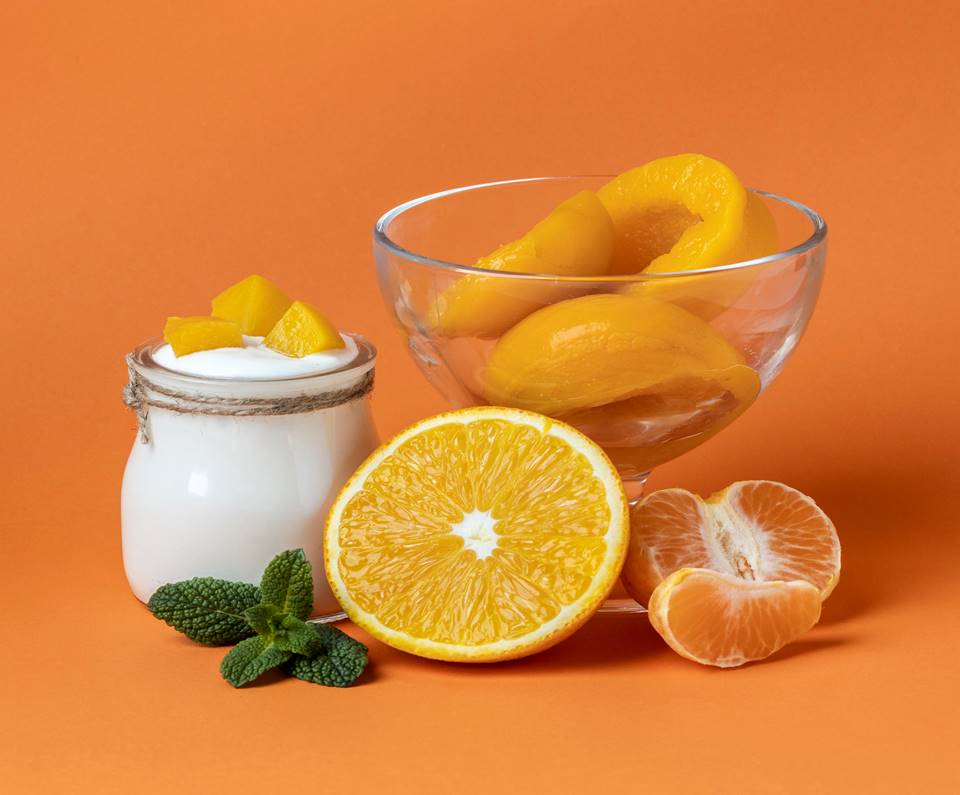
The Best Homemade Gut-Health Drink
Ingredients
For one serving, you can use:
- 1 cup plain unsweetened yogurt
- ½ cup water
- 1 tablespoon chia seeds
- ½ teaspoon freshly grated ginger
- 1-2 teaspoons fresh lemon juice
- A few fresh mint leaves, optional
- A small amount of cinnamon, optional
- Honey only if needed for taste
Choose plain, unsweetened yogurtrather than heavily sweetened flavored versions. If using yogurt, products containing live cultures may provide beneficial microorganisms.
How to Prepare It
Add the yogurt and water to a blender. Add the chia seeds, ginger and lemon juice. Blend until the mixture becomes smooth. Add mint or a small amount of cinnamon if desired.
Allow the drink to stand for approximately 5-10 minutes if you prefer the chia seeds to soften slightly. Drink it fresh rather than storing it for prolonged periods.
If the beverage is too thick, add additional water. If it is too sour, use a small amount of fruit rather than adding large quantities of sugar.
How This Drink May Support Gut Health
1. Yogurt Provides Fermented-Food Benefits
Yogurt is fermented foods that can contain live microorganisms. The specific organisms and their amounts vary according to the product and manufacturing process, so not every fermented beverage provides identical probiotic effects.
Research into fermented foods is promising. A recent systematic review and meta-analysis involving 25 studies and more than 4,300 participants found that fermented-food consumption was associated with improvements in several gastrointestinal outcomes, including bowel movement frequency, stool consistency and some gastrointestinal symptoms. However, the certainty of evidence varied and was frequently low, so these findings should not be interpreted as proof that every fermented food will produce the same benefits [5].
2. Chia Seeds Add Dietary Fiber
Chia seeds are useful in this drink because they provide dietary fiber. When exposed to liquid, chia seeds absorb water and form a gel-like texture. Their fiber content can contribute to overall daily fiber intake.
Fiber can support normal bowel function and provides substrates that some gut microorganisms can ferment. Research on dietary fiber and prebiotics indicates that different fibers can produce different changes in the gut microbiome [2].
If you currently consume very little fiber, however, start with a smaller quantity. A sudden increase in fiber can cause temporary gas or bloating in some people.
3. Ginger Adds Flavor and Digestive Support
Fresh ginger gives the drink a naturally spicy flavor and may make it more enjoyable without relying heavily on sugar. Ginger has traditionally been used for digestive purposes, although evidence for specific gastrointestinal benefits depends on the condition and dose studied.
The important point is that ginger should be considered a supportive food ingredient rather than a treatment for digestive disease.
4. Lemon Makes the Drink Refreshing
Fresh lemon juice provides acidity and vitamin C while improving the flavor of an otherwise plain yogurt-based beverage. Its main benefit in this recipe is making a nutritious drink more appealing, which may make it easier to consume regularly.
There is no need to add large quantities of lemon juice to obtain a supposed “detox” effect. Your liver and kidneys already perform the body’s major detoxification functions.

Should You Add Honey or Sugar?
It is better to keep added sugar to a minimum. Many commercial “gut health” beverages can become less nutritionally useful when they contain substantial amounts of added sugar.
The WHO recommends limiting free sugars to less than 10% of total daily energy intake and suggests that reducing intake below 5% may provide additional health benefits [4]. Free sugars include sugars added to foods and beverages as well as sugars naturally present in honey, syrups and fruit juices.
Therefore, if your yogurt drink tastes pleasant without sweetener, skip it. If additional sweetness is necessary, use a small amount and gradually reduce the quantity.
When Is the Best Time to Drink It?
There is no universally established “best time” to consume a gut-health drink. You can have it in the morning, as part of breakfast, between meals or alongside a meal, depending on your preference and digestive tolerance.
Consistency in your overall dietary pattern is more important than consuming the beverage at a particular time.
If dairy products cause bloating, gas or discomfort, consider lactose-free yogurt or a suitable non-dairy fermented alternative. People differ considerably in their responses to individual foods.

Can This Drink Help With Bloating and Constipation?
A fiber- and fermented-food-containing drink may support digestive regularity in some people, particularly when it forms part of an overall healthy diet. Recent evidence suggests fermented-food consumption may improve bowel frequency, stool consistency and some gastrointestinal symptoms [5].
However, bloating has many potential causes. Increasing fiber too quickly can actually worsen bloating in some individuals. Similarly, people with irritable bowel syndrome may respond differently to particular carbohydrates and fermented foods.
The National Center for Complementary and Integrative Health notes that evidence for probiotics in IBS is mixed and that different probiotic products may have different effects [6]. Therefore, people with persistent or significant gastrointestinal symptoms should not rely on homemade drinks as a substitute for professional evaluation.
Common Mistakes to Avoid
Avoid turning a healthy gut drink into a high-sugar dessert. Large amounts of sugar, sweetened yogurt, syrups or flavored powders can undermine the nutritional quality of the beverage.
You should also avoid adding excessive amounts of chia seeds or other concentrated fiber sources immediately. Increase fiber gradually and drink adequate fluids.
Finally, do not expect a single beverage to “cleanse” the gut, remove toxins or permanently change the microbiome. Gut health is influenced by long-term dietary patterns rather than one food or drink.
The Bottom Line
The best homemade drink for gut health is one that combines nutritious ingredients without excessive sugar. A simple mixture of plain yogurt, chia seeds, ginger, lemon and water can provide hydration, fermented-food components and dietary fiber.
For long-term digestive wellness, focus on eating a wide variety of minimally processed plant foods, consuming adequate fiber and fluids, including fermented foods when tolerated, and limiting excessive free sugars. A homemade gut-friendly drink can then become a convenient addition to these healthy habits rather than a quick-fix solution.
References
- O’Keefe SJD. Diet, microorganisms and their metabolites, and colorectal cancer. Nature Reviews Gastroenterology & Hepatology. 2016;13:691-706.
- Krumbeck JA, Maldonado-Gómez MX, Ramer-Tait AE, Hutkins RW. Prebiotics and synbiotics: dietary strategies for improving gut health. Current Opinion in Gastroenterology. 2016;32(2):110-119.
- Marco ML, Heeney D, Binda S, et al. Health benefits of fermented foods: microbiota and beyond. Current Opinion in Biotechnology. 2017;44:94-102.
- World Health Organization. Healthy Diet. 2026. WHO recommends dietary diversity, adequate fiber intake and limiting free sugars.
- Mukherjee S, Farsi DN, Garcia-Gutierrez E, et al. Impact of fermented foods consumption on gastrointestinal wellbeing in healthy adults: a systematic review and meta-analysis. 2025.
- National Center for Complementary and Integrative Health. Irritable Bowel Syndrome: What You Need To Know. NCCIH.