

India has witnessed a remarkable transformation in consumer health behavior over the past decade.
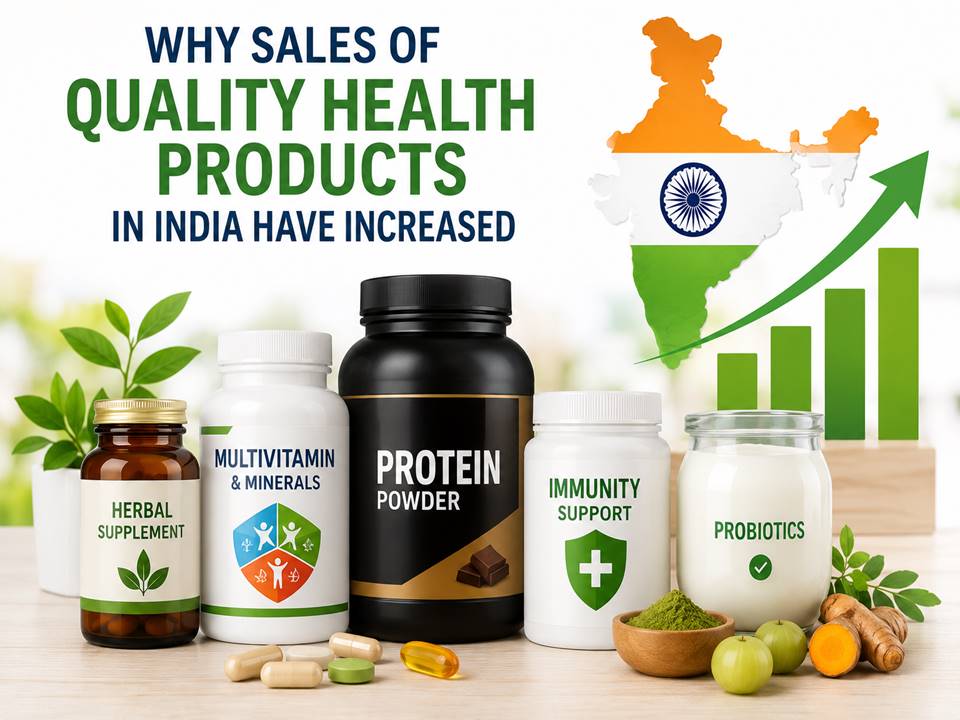
The demand for quality health products, including dietary supplements, multivitamins, herbal formulations, protein supplements, probiotics, and functional foods, has grown significantly. The Indian nutraceutical market has expanded rapidly as consumers increasingly prioritize preventive healthcare, balanced nutrition, and long-term wellness.
Several factors have contributed to this growth, including greater health awareness, the increasing prevalence of lifestyle-related diseases, improved access to scientific health information, and the influence of digital media. Modern consumers are no longer purchasing health products only when illness occurs; instead, they are investing in products that help maintain health, improve quality of life, and reduce future health risks. This shift represents a major change in healthcare philosophy, moving from disease treatment toward prevention and wellness.
Factors Driving the Growth of Health Product Sales
The increasing sales of quality health products are not driven by a single factor but rather by a combination of demographic, economic, medical, and technological changes. Rising disposable income, urbanization, improved healthcare access, and increasing confidence in evidence-based nutraceuticals have collectively strengthened the market. Consumers are becoming more selective, preferring products manufactured under Good Manufacturing Practices (GMP), supported by scientific research, and compliant with regulatory standards such as FSSAI in India. These developments have encouraged both domestic and international manufacturers to invest in product innovation, clinical validation, and quality assurance.

1. Rising Health Awareness
One of the most important reasons for the increased sales of quality health products is the growing awareness of health and nutrition among Indian consumers. Access to reliable health information through healthcare professionals, educational campaigns, scientific publications, and online platforms has helped people better understand the relationship between nutrition and disease prevention.
Consumers today recognize that maintaining adequate levels of essential vitamins, minerals, proteins, omega-3 fatty acids, probiotics, and antioxidants contributes to overall health. Nutritional deficiencies, particularly vitamin D, vitamin B12, iron, calcium, magnesium, and zinc deficiencies, remain common in India despite economic growth. As a result, many individuals use dietary supplements to complement a balanced diet and help meet recommended nutrient requirements.
Health awareness has also increased following the COVID-19 pandemic. The pandemic highlighted the importance of immune health, healthy body weight, adequate sleep, regular physical activity, and balanced nutrition. Consequently, consumers have become more proactive in adopting healthier lifestyles and incorporating scientifically formulated health products into their daily routines.

2. Increase in Lifestyle Diseases
The rising prevalence of lifestyle-related diseases has become another major driver of health product sales. Rapid urbanization, sedentary occupations, unhealthy eating habits, chronic stress, irregular sleep patterns, smoking, and reduced physical activity have contributed to increasing rates of obesity, type 2 diabetes, hypertension, cardiovascular disease, non-alcoholic fatty liver disease (NAFLD), osteoporosis, and metabolic syndrome.
Many of these chronic conditions are strongly associated with poor dietary habits and nutritional imbalances. Healthcare professionals increasingly recommend lifestyle modification alongside medical treatment, encouraging patients to consume nutrient-rich foods and appropriate dietary supplements when necessary.
For example, omega-3 fatty acids are widely recognized for supporting cardiovascular health, calcium and vitamin D contribute to bone health, probiotics promote digestive wellness, and adequate protein intake helps maintain muscle mass during aging. Similarly, antioxidants such as vitamins C and E, selenium, and plant polyphenols help protect cells against oxidative stress, a factor associated with chronic disease progression.
Consumers are increasingly seeking quality products supported by clinical evidence rather than relying solely on marketing claims. This has significantly increased demand for reputable brands that provide standardized ingredients, transparent labeling, and scientifically validated formulations.

3. Preventive Healthcare Trend
Preventive healthcare has emerged as one of the strongest drivers of the health products market in India. Rather than waiting for disease to develop, consumers are increasingly adopting strategies that promote long-term wellness and reduce disease risk.
Preventive healthcare emphasizes balanced nutrition, regular exercise, adequate sleep, stress management, routine health checkups, vaccination, and nutritional supplementation when appropriate. Scientific research has consistently demonstrated that maintaining good nutritional status supports immune function, healthy aging, cognitive performance, metabolic health, and overall quality of life.
This preventive approach has expanded demand for multivitamins, mineral supplements, herbal extracts, probiotics, collagen peptides, joint health products, sports nutrition, and healthy aging formulations. Individuals across different age groups including children, working professionals, pregnant women, athletes, and older adults are choosing products tailored to their specific nutritional requirements.
The increasing popularity of personalized nutrition has further strengthened this trend. Consumers are becoming interested in individualized health assessments, nutritional testing, genetic screening, and microbiome analysis to guide supplement selection. Such developments are expected to drive further innovation in India’s nutraceutical industry over the coming years.

4. Digital Health Education
Digital technology has transformed the way consumers learn about health products. Educational content published by healthcare professionals, nutritionists, fitness experts, researchers, hospitals, universities, and public health organizations has become readily accessible through websites, webinars, podcasts, YouTube channels, and social media platforms.
Consumers now have greater access to evidence-based information regarding nutrition, supplementation, healthy lifestyles, and disease prevention. Online reviews, expert interviews, scientific articles, and educational videos enable consumers to compare products and make informed purchasing decisions.
E-commerce platforms have also made quality health products more accessible throughout India. Consumers can compare ingredients, certifications, prices, customer reviews, and manufacturing standards before making purchases. The availability of home delivery, subscription services, and digital consultations with healthcare professionals has further encouraged supplement use.
Social media influencers have also contributed to increasing awareness about healthy eating, physical fitness, stress management, and wellness routines. However, consumers are becoming increasingly cautious and are learning to distinguish between scientifically supported information and misleading promotional claims. This shift has benefited reputable manufacturers that prioritize transparency, clinical evidence, and regulatory compliance.
Furthermore, digital health applications and wearable fitness devices allow individuals to monitor physical activity, sleep quality, heart rate, and other wellness parameters. These technologies encourage users to adopt healthier behaviors and often increase interest in nutritional products that complement their wellness goals.
The Bottom Line
The rapid growth in sales of quality health products in India reflects a significant shift toward preventive healthcare and informed consumer decision-making. Rising health awareness, increasing lifestyle-related diseases, greater emphasis on prevention, and widespread access to digital health education have transformed the Indian wellness market. Consumers are increasingly choosing scientifically formulated products that provide transparent labeling, standardized ingredients, and high manufacturing quality.
As healthcare continues to evolve, quality health products will remain an important component of comprehensive wellness strategies when used alongside a balanced diet, regular physical activity, adequate sleep, and professional medical advice. Companies that invest in research, innovation, regulatory compliance, and consumer education are well positioned to meet the growing demand for safe, effective, and evidence-based health products.