

A healthy gut plays an important role in digestion, nutrient absorption and overall well-being. One of the simplest ways to support digestive health is to include a variety of fiber-rich foods. Dietary fiber reaches the large intestine, where certain types can be fermented by gut microorganisms and contribute to the production of beneficial short-chain fatty acids (SCFAs). Research suggests that dietary fiber can influence the composition and metabolic activity of the gut microbiota [1,2].
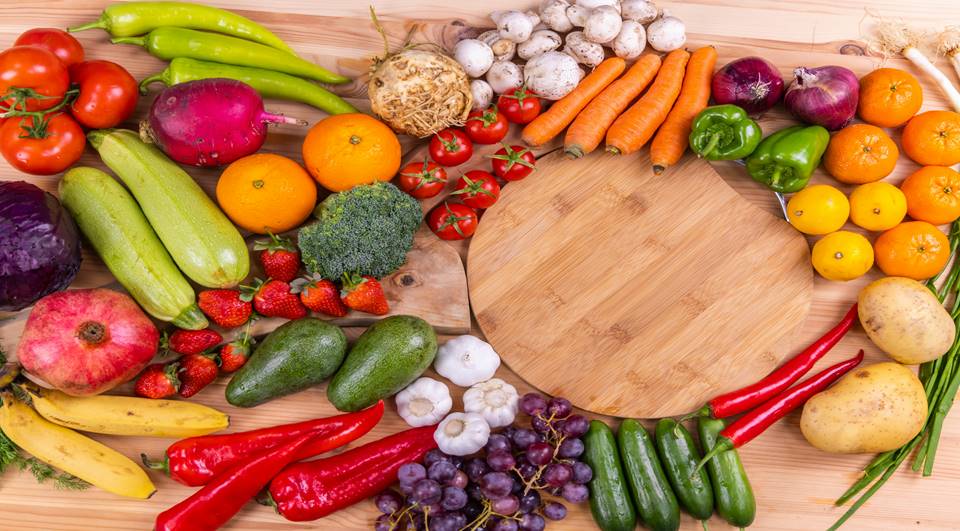
Among the many fruits available, guava, raspberries and pears stand out as excellent sources of dietary fiber. They also provide vitamins, minerals, antioxidants and other naturally occurring plant compounds.
Nutritional Values
The following approximate values are based on 100 g of raw fruit and can vary according to variety, ripeness and growing conditions.
| Nutrient | Guava | Raspberries | Pears |
| Calories | ~68 kcal | ~52 kcal | ~57 kcal |
| Carbohydrates | ~14.3 g | ~11.9 g | ~15.2 g |
| Protein | ~2.6 g | ~1.2 g | ~0.4 g |
| Dietary Fiber | ~5.4 g | ~6.5 g | ~3.1 g |
| Fat | ~1.0 g | ~0.7 g | ~0.1 g |
| Vitamin C | ~228 mg | ~26 mg | ~4 mg |
| Potassium | ~417 mg | ~151 mg | ~116 mg |
Values are approximate and intended for general nutritional comparison. USDA FoodData Central is a standard reference for food-composition data and is periodically updated. [3]
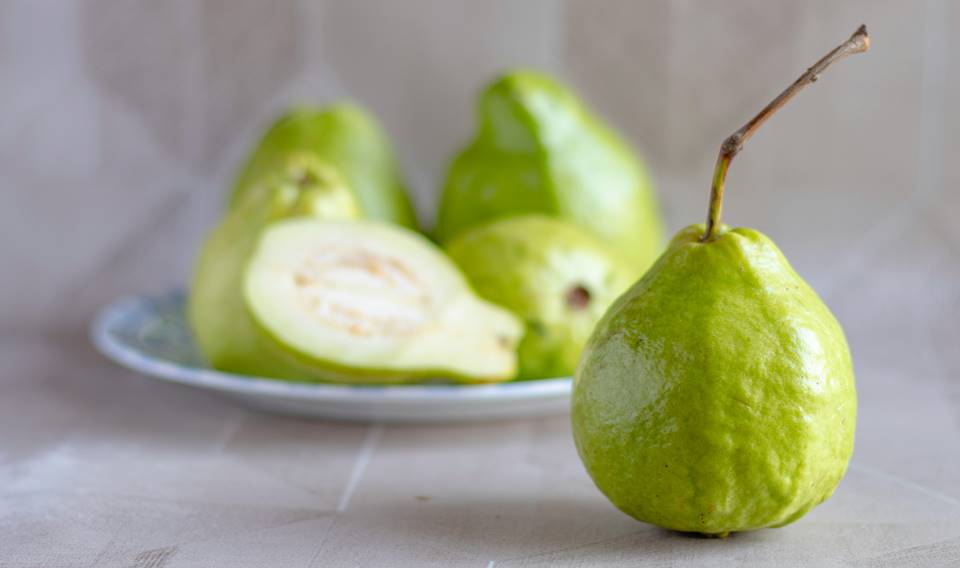
1. Guava (Amrud)
Guava, commonly known as amrud, is one of the most nutritious tropical fruits and an excellent addition to a gut-friendly diet. With approximately 5.4 g of dietary fiber per 100 g, guava provides both soluble and insoluble fiber that can contribute to normal bowel function.
Insoluble fiber adds bulk to stool and helps support regular bowel movements, while soluble and fermentable components can interact with intestinal microorganisms. Increasing dietary fiber through whole plant foods may help create a more favorable environment for beneficial gut bacteria [1].
Guava is also exceptionally rich in vitamin C, providing substantially more vitamin C per 100 g than many commonly consumed fruits. Vitamin C contributes to normal immune function and antioxidant protection.
Why Add Guava to Your Diet?
- Provides a substantial amount of dietary fiber
- Supports normal digestive function
- Rich in vitamin C
- Provides potassium and other micronutrients
- Contains naturally occurring antioxidant compounds
- Can be eaten whole, making it an easy high-fiber snack
2. Raspberries
Raspberries are particularly impressive when it comes to fiber density. They contain approximately 6.5 g of dietary fiber per 100 g, making them the highest-fiber fruit among these three choices.
Their fiber content includes different types of fiber, and their plant structure also provides numerous bioactive compounds. Scientific evidence supports the relationship between dietary fiber and the gut microbiome. A systematic review and meta-analysis of 64 studies involving 2,099 participants found that dietary fiber interventions increased the abundance of Bifidobacterium and Lactobacillus in comparison with placebo or low-fiber controls. Some fiber interventions also increased fecal butyrate concentrations [1].
Raspberries additionally provide vitamin C and manganese while being relatively low in calories.
Why Eat Raspberries for Gut Health?
- Excellent source of dietary fiber
- Supports normal bowel regularity
- Supplies vitamin C and manganese
- Provides naturally occurring polyphenols
- Adds variety to the types of plant foods and fibers in the diet
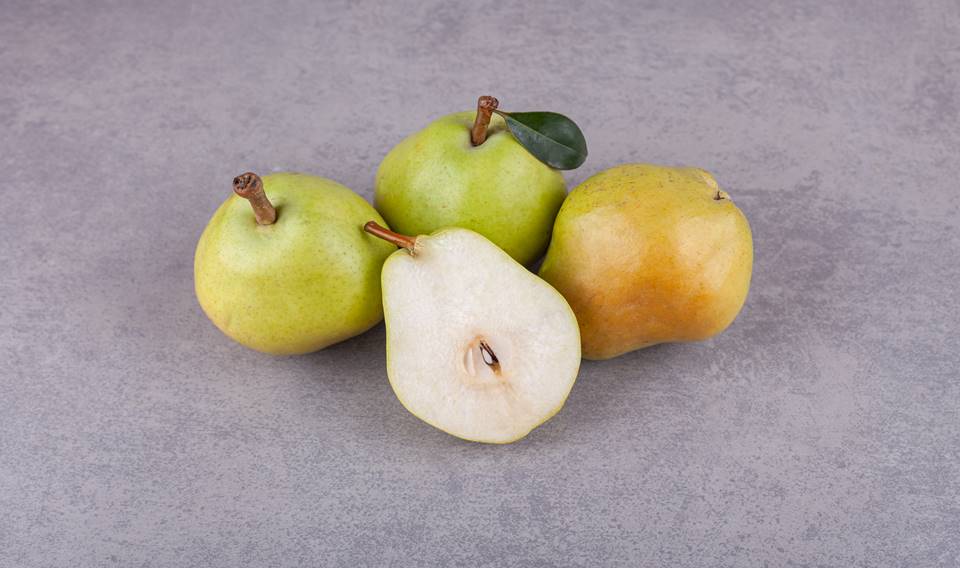
3. Pears
Pears are another practical choice for increasing daily fiber intake. A raw pear provides approximately 3.1 g of dietary fiber per 100 g.
Much of the fiber is located in or near the skin, so eating a thoroughly washed pear with its skin can help maximize fiber intake. Pears also contain water and naturally occurring carbohydrates, making them a convenient snack between meals.
The fiber in pears can contribute to stool bulk and normal intestinal movement. Regular consumption of a variety of fiber-containing plant foods is generally preferable to relying on a single source of fiber. Pears also provide potassium and small amounts of vitamin C and other micronutrients. Their naturally sweet flavor makes them an easy alternative to highly processed desserts and snacks.
Why Include Pears in a Gut-Friendly Diet?
- Provides dietary fiber
- Supports normal bowel regularity
- Convenient and portable
- Contains potassium and vitamin C
- Can be consumed with the skin for additional fiber
- Naturally sweet and versatile
How Dietary Fiber Supports Gut Health
Dietary fiber is not simply a tool for maintaining bowel regularity. Some types of fiber are fermented by microorganisms in the colon, producing metabolites such as short-chain fatty acids, including acetate, propionate and butyrate.
A systematic review of human intervention studies found that different dietary fibers can influence gut microbial composition and SCFA production, although responses vary according to the type of fiber and individual characteristics [2].
Importantly, this does not mean that eating one particular fruit will automatically “heal” the gut or prevent digestive disease. Gut health is influenced by the overall dietary pattern, physical activity, hydration, sleep, medications and individual health status.
How Much Fiber Should You Get?
Fiber needs vary according to age, sex and total energy intake. In general, adults should aim to obtain adequate fiber from a variety of foods, including fruits, vegetables, legumes, whole grains, nuts and seeds.
If your current diet is low in fiber, increase intake gradually and drink adequate fluids. A sudden large increase in fiber may cause temporary bloating, gas or abdominal discomfort.
Easy Ways to Add These Fruits to Your Diet
You do not need to eat large quantities of fruit at once. Instead, include different fruits throughout the day.
Breakfast: Add raspberries or sliced pear to oatmeal or unsweetened yogurt.
Mid-morning snack: Enjoy a whole guava.
Lunch: Add pear slices to a vegetable or leafy-green salad.
Evening snack: Combine raspberries with plain yogurt and nuts.
Eating a diverse range of plant foods is useful because different fibers and phytochemicals can interact differently with the gut microbiota.
Conclusion
Guava, raspberries and pears are three excellent high-fiber fruits for supporting a healthy digestive diet. Raspberries provide the highest fiber concentration among the three, while guava combines substantial fiber with exceptionally high vitamin C content. Pears offer a convenient, naturally sweet source of fiber that can easily be incorporated into everyday meals.
Rather than focusing on one “superfood,” prioritize dietary diversity. Regularly consuming different fruits, vegetables, whole grains, legumes, nuts and seeds can provide a broader range of fibers and plant compounds to support a healthy gut microbiome and normal digestive function.
References
- So D, Whelan K, Rossi M, et al. Dietary fiber intervention on gut microbiota composition in healthy adults: a systematic review and meta-analysis. The American Journal of Clinical Nutrition. 2018;107(6):965-983. doi:10.1093/ajcn/nqy041.
- Vinell V, et al. Effects of Dietary Fibers on Short-Chain Fatty Acids and Gut Microbiota Composition in Healthy Adults: A Systematic Review. Nutrients. 2022;14(13):2559.
- U.S. Department of Agriculture. FoodData Central, USDA food composition database.