

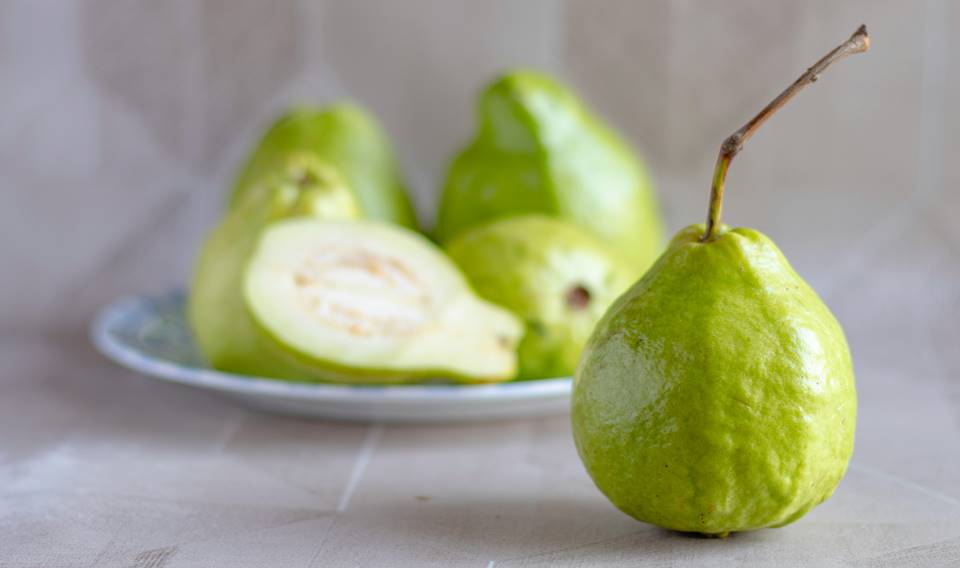
Guava (Psidium guajava) is known for its exceptional nutritional value and medicinal properties. Guava (superfruit) is packed with vitamin C, dietary fiber, potassium, folate, and powerful antioxidants such as lycopene, quercetin, and carotenoids. Traditionally, it used in Ayurvedic system of medicine for digestive disorders, infections, and diabetes, while modern scientific research has increasingly validated many of these health claims. Clinical and experimental studies suggest that regular consumption of guava may help strengthen immunity, improve cardiovascular health, regulate blood sugar levels, support digestive function, and protect against oxidative stress (1, 2).
Why Guava Is One of the Most Nutritious Fruits
Guava is remarkably nutrient-dense while being naturally low in calories. According to research findings 100 g of fresh guava provides approximately 68 kcal, over 5 g of dietary fiber, abundant vitamin C, vitamin A, potassium, folate, and several bioactive phytochemicals. In fact, guava contains significantly more vitamin C than oranges, making it one of the richest natural dietary sources of this essential nutrient.
The fruit’s combination of soluble fiber, antioxidants, and micronutrients makes it an excellent choice for promoting overall health and preventing chronic diseases.

1. Strengthens Immunity
One of guava’s most recognized health benefits is its ability to support immune function. Vitamin C stimulates the production and activity of white blood cells, enhances antibody responses, and protects immune cells from oxidative damage.
A single medium-sized guava can provide more than twice the recommended daily intake of vitamin C. This antioxidant also supports collagen synthesis, wound healing, and healthy skin while reducing inflammation caused by free radicals.
Research published by Carr and Maggini (2017) demonstrated that adequate vitamin C intake enhances immune defense mechanisms and may reduce the severity and duration of common respiratory infections. Regular consumption of vitamin C-rich fruits like guava therefore contributes to stronger immune resilience (3).

2. Improve Blood Sugar Levels
Despite its natural sweetness, guava has a relatively low glycemic index and is rich in dietary fiber, which slows carbohydrate digestion and glucose absorption. This helps minimize rapid post-meal blood sugar spikes and improves glycemic control.
Clinical research published by Deguchi and Miyazaki (2010) found that consuming guava, particularly peeled guava, may help reduce postprandial blood glucose levels in individuals with or at risk of type 2 diabetes. Additionally, guava leaf extracts have shown promising antihyperglycemic effects in several clinical and experimental studies by improving insulin sensitivity and reducing carbohydrate absorption (2).

3. May Improve Heart Health
Guava contributes to cardiovascular health through multiple mechanisms. Its soluble fiber helps lower LDL (“bad”) cholesterol by reducing cholesterol absorption in the digestive tract, while potassium supports healthy blood pressure by balancing sodium levels.
The fruit also contains antioxidants such as lycopene, quercetin, and vitamin C that reduce oxidative stress and inflammation, two major contributors to atherosclerosis.
In a clinical study published in the Journal of Human Hypertension reported that regular guava consumption significantly improved blood pressure, reduced total cholesterol, increased HDL (“good”) cholesterol, and lowered triglyceride levels (4).
These findings support the inclusion of guava in heart-healthy dietary patterns aimed at reducing cardiovascular disease risk.

4. Support Digestive and Gut Health
Guava is an excellent source of dietary fiber, providing both soluble and insoluble forms that promote digestive wellness. Insoluble fiber adds bulk to stools, helping prevent constipation, while soluble fiber supports healthy intestinal bacteria by acting as a prebiotic.
A healthy gut microbiome contributes to improved digestion, nutrient absorption, immune regulation, and reduced gastrointestinal inflammation.
Traditionally, guava has also been used to relieve mild digestive discomfort. While the fruit supports bowel regularity, guava leaf preparations have demonstrated antimicrobial properties against certain intestinal pathogens in laboratory studies, although further clinical research is needed to confirm therapeutic applications.
5. Act as Provides Powerful Antioxidant
Oxidative stress contributes to aging and the development of chronic diseases including diabetes, cardiovascular disease, and certain cancers. Guava contains numerous antioxidants that help neutralize harmful free radicals. According to Lobo et al. (2010), diets rich in antioxidant-containing fruits significantly contribute to long-term disease prevention by reducing oxidative stress (5).
Lycopene, especially abundant in pink-fleshed guava varieties, has been associated with reduced oxidative damage and improved cardiovascular health. Quercetin and other flavonoids exhibit anti-inflammatory and antioxidant activities that protect cells from chronic inflammation.

6. Supports Healthy Skin and Vision
The exceptionally high vitamin C content of guava promotes collagen production, helping maintain skin elasticity and accelerating wound healing. Vitamin A and carotenoids support healthy vision by protecting retinal tissues from oxidative damage and maintaining normal eye function.
The fruit’s antioxidants may also help reduce premature skin aging caused by environmental stressors such as ultraviolet radiation and pollution.
7. May Aid Weight Management
Guava is naturally low in calories but high in fiber, making it highly satisfying without contributing excessive energy intake. The fiber slows digestion, promotes fullness, and helps reduce overeating between meals.
Because of its rich nutrient profile and relatively low glycemic load, guava is frequently recommended as a healthy snack for individuals pursuing weight management or metabolic health goals.
How to Include Guava in Your Daily Diet
Fresh guava is best consumed whole to maximize fiber intake. It can also be added to fruit salads, smoothies, yogurt, oatmeal, or fresh juices with minimal added sugar. Guava pairs well with citrus fruits, berries, and leafy greens for nutrient-rich meals. Individuals with diabetes should consume whole guava rather than sweetened guava products to obtain maximum nutritional benefits.
The Bottom Line
Guava is one of nature’s most nutrient-rich fruits supports immune function, promotes heart health, improves blood sugar regulation, enhances digestive wellness, and protects against oxidative stress. Incorporating fresh guava into a balanced diet represents a simple and evidence-based strategy for improving overall health and reducing the risk of chronic disease.
References
- Gutiérrez RMP, Mitchell S, Solis RV. Psidium guajava: A Review of Its Traditional Uses, Phytochemistry and Pharmacology. Journal of Ethnopharmacology. 2008.
- Deguchi Y, Miyazaki K. Anti-Hyperglycemic and Anti-Hyperlipidemic Effects of Guava Leaf Extract. Nutrition & Metabolism. 2010.
- Singh RB, Rastogi SS, Singh NK, et al. Effects of Guava Intake on Serum Lipids and Blood Pressure. Journal of Human Hypertension. 1993.
- Carr AC, Maggini S. Vitamin C and Immune Function. Nutrients. 2017.
- Lobo V, Patil A, Phatak A, Chandra N. Free Radicals, Antioxidants and Functional Foods: Impact on Human Health. Pharmacognosy Reviews. 2010.
Written By: Shabina Khan (Clinical Pharmacist)