


Magnesium-Rich Indian Foods can play a vital role in supporting overall health by providing this essential mineral that is involved in hundreds of biochemical reactions throughout the body. Fortunately, a variety of traditional Indian foods are naturally rich in magnesium and can help individuals meet their daily nutritional requirements.
Research suggests that adequate magnesium intake may help lower the risk of type 2 diabetes, hypertension, and cardiovascular disease (Rosique-Esteban et al., 2018). By incorporating magnesium-rich Indian foods into everyday meals, individuals can improve their nutritional status and support long-term health and well-being.
What Is Magnesium and Why Does Your Body Need It?
Magnesium is the fourth most abundant mineral in the human body and is required for more than 300 enzymatic processes. It contributes to energy production, DNA synthesis, protein formation, nerve signaling, muscle contraction, and regulation of blood pressure (Volpe, 2013).
Approximately 50-60% of the body’s magnesium is stored in bones, while the remaining amount is found in muscles, soft tissues, and body fluids. Because the body cannot produce magnesium on its own, it must be obtained through food or supplements.
The Recommended Dietary Allowance (RDA) for magnesium varies according to age and sex, but most adults require between 370 and 440 mg daily. Unfortunately, modern diets rich in processed foods often provide insufficient amounts of this vital nutrient.
Top 10 Magnesium-Rich Indian Foods to Include in Your Diet
Traditional Indian diets contain numerous natural sources of magnesium. Incorporating the following foods regularly can help support optimal magnesium intake.
1. Pumpkin Seeds (Kaddu Ke Beej)
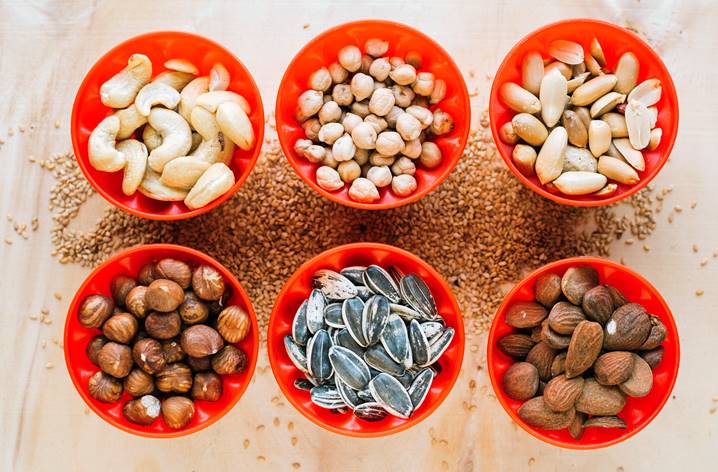
Pumpkin seeds are among the richest dietary sources of magnesium. Just 30 grams of pumpkin seeds can provide approximately 150-170 mg of magnesium, covering a substantial portion of daily requirements.
In addition to magnesium, pumpkin seeds contain zinc, iron, healthy fats, and antioxidants that support immune and cardiovascular health.
2. Almonds (Badam)
Almonds are widely consumed across India and offer an excellent source of magnesium. A handful of almonds (approximately 28 grams) provides around 75-80 mg of magnesium.
Research indicates that regular nut consumption may contribute to improved heart health, blood sugar regulation, and reduced inflammation (Guasch-Ferré et al., 2017).
3. Cashew Nuts (Kaju)
Cashews are another nutrient-dense source of magnesium. A 30-gram serving typically provides about 80 mg of magnesium along with healthy fats, copper, and plant protein.
Including moderate amounts of cashews in snacks or meals can help support daily mineral intake.
4. Spinach (Palak)
Spinach is one of the most magnesium-rich green leafy vegetables available in India. One cup of cooked spinach provides approximately 150 mg of magnesium.
Spinach also contains folate, iron, vitamin K, and antioxidants that support cardiovascular and bone health.
5. Finger Millet (Ragi)
Ragi is a traditional Indian millet known for its exceptional nutritional value. Besides being rich in calcium, it also contains meaningful amounts of magnesium.
Ragi-based preparations such as rotis, porridge, and dosa can contribute significantly to daily mineral intake while providing fiber and complex carbohydrates.
6. Black Gram (Urad Dal)
Urad dal is a staple ingredient in many Indian households and provides a good source of magnesium, protein, and dietary fiber.
Regular consumption of legumes such as urad dal may support metabolic health and improve glycemic control (Reynolds et al., 2020).
7. Chickpeas (Chana)
Chickpeas are versatile legumes commonly used in curries, salads, and snacks. One cooked cup contains approximately 75–80 mg of magnesium.
They also provide plant-based protein, fiber, iron, and several B vitamins.
8. Soybeans
Soybeans are among the richest plant-based protein sources and contain substantial amounts of magnesium.
Studies suggest that soy foods may support cardiovascular health and contribute to improved cholesterol profiles when consumed as part of a balanced diet (Messina, 2016).
9. Sesame Seeds (Til)
Sesame seeds are widely used in Indian sweets, chutneys, and traditional dishes. These tiny seeds contain significant amounts of magnesium, calcium, and healthy fats.
Adding sesame seeds to meals can provide an easy nutritional boost while enhancing flavor and texture.
10. Dark Chocolate (High Cocoa Content)
Although not a traditional staple, dark chocolate with at least 70% cocoa contains considerable amounts of magnesium.
Moderate consumption may also provide beneficial flavonoids that support vascular function and heart health. However, portion control remains important because dark chocolate can be calorie-dense.

Key Health Benefits of Magnesium
Magnesium supports numerous physiological processes that contribute to overall health and disease prevention.
Supports Heart Health
Magnesium helps regulate blood vessel function, maintain normal heart rhythm, and support healthy blood pressure levels. Several studies have linked higher magnesium intake with a reduced risk of cardiovascular disease and stroke (Rosique-Esteban et al., 2018).
Helps Maintain Healthy Blood Sugar Levels
Magnesium plays a critical role in insulin action and glucose metabolism. Research shows that individuals with higher magnesium intake may have a lower risk of developing type 2 diabetes (Dong et al., 2011).
Promotes Muscle and Nerve Function
Magnesium is essential for proper muscle contraction and nerve signaling. Low magnesium levels may contribute to muscle cramps, weakness, and abnormal nerve function.
Supports Better Sleep and Relaxation
Magnesium helps regulate neurotransmitters involved in relaxation and sleep. Studies suggest that adequate magnesium levels may improve sleep quality and reduce symptoms of insomnia in some individuals (Abbasi et al., 2012).
Strengthens Bone Health
While calcium often receives the most attention for bone health, magnesium is equally important. It contributes to bone formation and influences vitamin D metabolism, which is essential for calcium absorption.
Helps Manage Stress
Magnesium participates in regulating the body’s stress response system. Emerging evidence suggests that adequate magnesium intake may support mood stability and stress resilience (Boyle et al., 2017).
Recognizing the Signs of Magnesium Deficiency
Magnesium deficiency may develop gradually and often goes unnoticed. Common symptoms include:
- Muscle cramps or spasms
- Fatigue and weakness
- Poor sleep quality
- Headaches
- Irritability
- Anxiety
- Loss of appetite
- Abnormal heart rhythms
Individuals with gastrointestinal disorders, poorly controlled diabetes, chronic alcohol use, or certain medication use may be at higher risk of deficiency.
How to Increase Magnesium Intake Naturally
The best strategy for maintaining healthy magnesium levels is consuming a diverse diet rich in nuts, seeds, legumes, whole grains, leafy vegetables, and traditional Indian millets.
Combining foods such as spinach, ragi, almonds, sesame seeds, chickpeas, and pumpkin seeds can help meet daily magnesium requirements without relying solely on supplements.
Bottom Line
Magnesium is an essential mineral that supports heart health, blood sugar regulation, muscle function, sleep quality, stress management, and bone strength. Many traditional Indian foods naturally provide significant amounts of magnesium, making it possible to meet daily requirements through diet alone. Pumpkin seeds, almonds, cashews, spinach, ragi, urad dal, chickpeas, soybeans, sesame seeds, and dark chocolate are among the top magnesium-rich foods that can contribute to better health. Regularly incorporating these nutrient-dense foods into a balanced diet may help prevent magnesium deficiency and support long-term wellness.
References
- Abbasi B, Kimiagar M, Sadeghniiat K, et al. The Effect of Magnesium Supplementation on Primary Insomnia in Elderly. Journal of Research in Medical Sciences. 2012;17(12):1161-1169.
- Boyle NB, Lawton C, Dye L. The Effects of Magnesium Supplementation on Subjective Anxiety and Stress. Nutrients. 2017;9(5):429.
- Dong JY, Xun P, He K, Qin LQ. Magnesium Intake and Risk of Type 2 Diabetes. Diabetes Care. 2011;34(9):2116-2122.
- Guasch-Ferré M, Li Y, Hu FB, et al. Nut Consumption and Cardiovascular Disease Risk. BMC Medicine. 2017;15:1-11.
- Messina M. Soy and Health Update: Evaluation of Clinical and Epidemiologic Literature. Nutrients. 2016;8(12):754.
- Reynolds A, Akerman A, Kumar S. Dietary Fibre and Whole Grains in Diabetes Prevention. The Lancet. 2020;393:434-445.
- Rosique-Esteban N, Guasch-Ferré M, Hernández-Alonso P, Salas-Salvadó J. Dietary Magnesium and Cardiovascular Disease. Nutrients. 2018;10(2):168.
- Volpe SL. Magnesium in Disease Prevention and Overall Health. Advances in Nutrition. 2013;4(3):378S-383S.
Written By: Dr Rajesh K Verma