

What Is Provitamin A and Why Is It Important?
Provitamin A is a plant-derived nutrient converted into vitamin A in the body. It supports healthy vision, immune function, skin health, and overall wellness while providing antioxidant protection.
According to the National Institutes of Health (NIH), the conversion efficiency of beta-carotene depends on dietary fat intake, nutritional status, genetics, and overall health. This regulated conversion helps prevent excessive vitamin A accumulation while ensuring sufficient availability for essential biological functions.
In addition to serving as vitamin A precursors, carotenoids themselves possess antioxidant activity that contributes independently to disease prevention and healthy aging. Extensive scientific research has shown that adequate intake of provitamin A supports healthy vision, strengthens immune function, maintains skin integrity, and protects cells against oxidative stress (Institute of Medicine, 2001; NIH Office of Dietary Supplements, 2024).

1. Protects Vision and Maintains Healthy Eyes
The best-known function of provitamin A is supporting healthy eyesight. After conversion into vitamin A, it becomes an essential component of rhodopsin, the light-sensitive pigment found in retinal photoreceptor cells that enables vision under low-light conditions.
Vitamin A deficiency remains one of the leading preventable causes of childhood blindness worldwide. Inadequate intake may result in night blindness, dry eyes (xerophthalmia), and progressive corneal damage if left untreated.
The WHO recognizes adequate vitamin A intake as a critical public health strategy for preventing visual impairment, particularly among children and pregnant women in high-risk regions. Furthermore, carotenoids such as beta-carotene, lutein, and zeaxanthin help protect retinal tissues from oxidative stress associated with aging.
Studies from the Age-Related Eye Disease Study (AREDS) have demonstrated that antioxidant-rich diets containing carotenoids contribute to long-term eye health, especially when combined with other essential nutrients.

2. Boost Immunity
A healthy immune system depends on adequate vitamin A status. Provitamin A supports both innate and adaptive immunity by maintaining the integrity of epithelial tissues that serve as the body’s first line of defense against pathogens.
Vitamin A regulates the production, maturation, and activity of white blood cells, including lymphocytes and natural killer cells, while supporting antibody production and immune signaling.
A comprehensive review by Stephensen (2001) concluded that vitamin A deficiency significantly increases susceptibility to infectious diseases by impairing immune function. Conversely, maintaining adequate vitamin A status through provitamin A-rich foods contributes to improved resistance against infections and healthier immune responses.
The antioxidant properties of carotenoids further reduce oxidative stress generated during immune activation, protecting immune cells from damage.

3. Promotes Healthy Skin
Healthy skin requires continuous renewal of epithelial cells, a process that depends heavily on vitamin A. Provitamin A contributes indirectly by supplying the body with retinol needed for normal skin growth, differentiation, and repair.
Vitamin A supports collagen production, accelerates wound healing, and maintains the protective barrier function of the skin. These functions help reduce dryness while supporting smoother, healthier-looking skin.
Beta-carotene also acts as an antioxidant within skin tissues, helping neutralize free radicals generated by ultraviolet radiation and environmental pollution. Although it should never replace sunscreen, diets rich in carotenoid-containing fruits and vegetables may provide additional protection against oxidative skin damage.
Research published by Evans and Johnson (2010) indicates that carotenoid-rich diets are associated with improved skin appearance and enhanced photoprotection.
4. Provides Powerful Antioxidant
Beyond vitamin A production, provitamin A carotenoids function as potent antioxidants. Beta-carotene neutralizes reactive oxygen species that contribute to cellular aging and chronic diseases including cardiovascular disease, diabetes, and certain cancers.
Oxidative stress damages DNA, proteins, and cellular membranes over time. Diets abundant in colorful fruits and vegetables rich in carotenoids have consistently been associated with reduced oxidative damage and improved long-term health outcomes.
However, clinical trials have shown that high-dose beta-carotene supplements are not appropriate for smokers, as studies including the ATBC Trial and CARET Trial demonstrated an increased risk of lung cancer among smokers taking high-dose beta-carotene supplements. Obtaining provitamin A primarily through foods remains the safest and most beneficial approach.

5. Supports Healthy Growth
Vitamin A derived from provitamin A plays an important role in normal embryonic development, cellular differentiation, reproductive function, and organ formation. During childhood, adequate vitamin A supports healthy growth by regulating gene expression and tissue development.
Pregnant women require sufficient vitamin A for fetal development; however, excessive intake of preformed vitamin A supplements should be avoided because of potential teratogenic effects. Provitamin A from fruits and vegetables provides a safer dietary alternative because its conversion is tightly regulated by the body.
Best Dietary Sources of Provitamin A
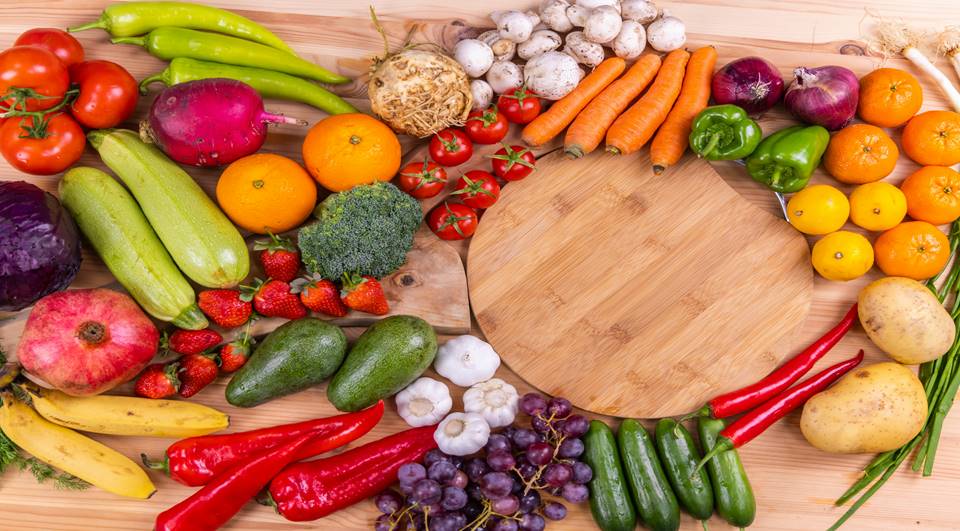
Brightly colored fruits and vegetables are the richest natural sources of provitamin A carotenoids. Excellent choices include carrots, sweet potatoes, pumpkin, butternut squash, spinach, kale, collard greens, Swiss chard, broccoli, red bell peppers, mangoes, papaya, apricots, cantaloupe, and red palm oil.
Cooking certain vegetables, particularly carrots and sweet potatoes, can improve beta-carotene bioavailability. Since carotenoids are fat-soluble, consuming these foods with healthy fats such as olive oil, avocado, nuts, or seeds significantly enhances absorption.
Can You Get Too Much Provitamin A?
Unlike preformed vitamin A from supplements or animal liver, dietary provitamin A is considered remarkably safe because the body converts only the amount required. Excessive consumption may temporarily cause carotenemia, a harmless yellow-orange discoloration of the skin, particularly on the palms and soles, without causing vitamin A toxicity.
However, individuals considering high-dose beta-carotene supplements, especially smokers and former smokers, should consult healthcare professionals before use because supplementation may not be appropriate for everyone.
Bottom Line
Provitamin A is a valuable plant-derived nutrient that supplies the body with vitamin A while also providing powerful antioxidant protection. Research evidence claims that adequate intake supports healthy vision, strengthens immune function, promotes skin integrity, aids normal growth, and protects cells against oxidative stress. For most healthy individuals, a colorful, plant-rich diet remains the best source of provitamin A and contributes to long-term health and disease prevention.
References
- National Institutes of Health (NIH), Office of Dietary Supplements. Vitamin A and Carotenoids Fact Sheet for Health Professionals. Updated 2024.
- Institute of Medicine (US). Dietary Reference Intakes for Vitamin A. National Academies Press. 2001.
- World Health Organization (WHO). Guideline: Vitamin A Supplementation in Infants and Children. 2011.
- Age-Related Eye Disease Study Research Group (AREDS). Archives of Ophthalmology. 2001.
- Stephensen CB. Vitamin A, Infection, and Immune Function. Annual Review of Nutrition. 2001;21:167–192.
- Evans JA, Johnson EJ. The Role of Phytonutrients in Skin Health. Nutrients. 2010.