


Healthy skin is often viewed as a sign of beauty, but its importance extends far beyond appearance.
The skin, the largest organ in the body, protects the body from environmental dangers, maintains body temperature, boosts immunity, and is essential to general health. In addition to having a lively, radiant appearance, healthy skin effectively shields the body from dangerous bacteria, pollution, and physical harm.
Maintaining healthy skin requires a holistic approach that supports both external care and internal health. Understanding what healthy skin looks like, how it influences daily life, and the factors that contribute to skin wellness can help individuals make informed decisions about skincare and lifestyle habits.
Understanding Healthy Skin
Healthy skin is characterized by balanced hydration, a smooth texture, even tone, adequate elasticity, and an intact protective barrier. It should be resilient enough to recover from minor injuries, maintain moisture, and defend against external irritants and pathogens.
The skin consists of three primary layers: the epidermis, dermis, and subcutaneous tissue. Together, these layers work to protect the body, regulate temperature, produce vitamin D, and support sensory functions. Healthy skin maintains a strong barrier function that prevents excessive water loss while protecting against environmental damage.
According to a review published in The Journal of Clinical and Aesthetic Dermatology, proper skin barrier function is essential for maintaining hydration, reducing inflammation, and preventing skin disorders such as eczema and dermatitis (Proksch et al., 2008).

How Healthy Skin Enhances Everyday Life
Healthy skin influences physical comfort, self-confidence, and overall quality of life. While many people focus on skin appearance, its functional benefits are equally important.
A healthy skin barrier helps prevent dehydration by retaining moisture and reducing transepidermal water loss. This contributes to skin softness, comfort, and resilience. Healthy skin also serves as the first line of defense against bacteria, viruses, fungi, allergens, and environmental pollutants.
Beyond its physical functions, skin health can significantly impact emotional well-being. Research has shown that skin conditions such as acne, psoriasis, and eczema can negatively affect self-esteem, social interactions, and mental health (Dalgard et al., 2015). Conversely, healthy skin often contributes to greater confidence and a positive self-image.
Healthy skin may also reflect broader aspects of wellness. Chronic stress, poor nutrition, inadequate sleep, smoking, and certain medical conditions can manifest through changes in skin appearance. For this reason, dermatologists often view the skin as a visible indicator of overall health.
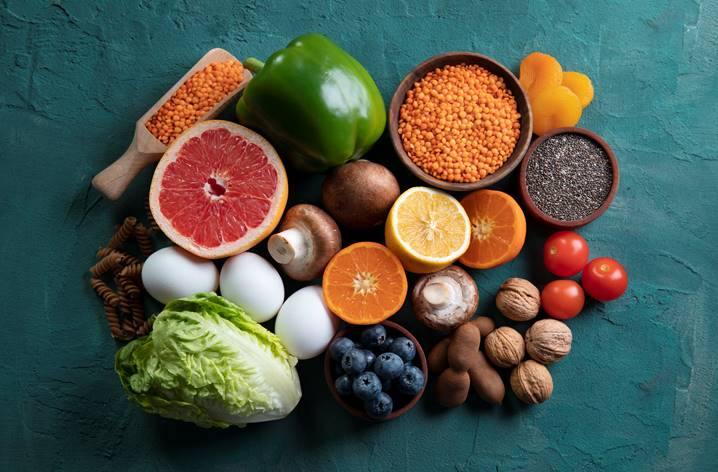
Nutrition and Foods That Support Skin Health
Diet plays a critical role in maintaining healthy skin. The skin requires a steady supply of vitamins, minerals, antioxidants, healthy fats, and proteins to support cell turnover, collagen production, hydration, and repair.
1. Vitamin C-Rich Foods
Vitamin C is essential for collagen synthesis, which helps maintain skin firmness and elasticity. It also acts as a powerful antioxidant that protects skin cells from oxidative stress caused by ultraviolet radiation and environmental pollutants.
Excellent sources include:
Clinical studies indicate that higher vitamin C intake is associated with improved skin appearance and reduced signs of aging (Pullar et al., 2017).

2. Vitamin E and Antioxidant-Rich Foods
Vitamin E helps protect skin cell membranes from oxidative damage. Combined with vitamin C, it may provide enhanced protection against environmental stressors.
Good sources include:
- Almonds
- Sunflower seeds
- Hazelnuts
- Avocados
3. Omega-3 Fatty Acids
Omega-3 fatty acids help support skin barrier integrity and reduce inflammation. Research suggests that omega-3 consumption may improve skin hydration and reduce inflammatory skin conditions (Calder, 2015).
Dietary sources include:
- Salmon
- Sardines
- Mackerel
- Flaxseeds
- Chia seeds
- Walnuts
4. Protein for Skin Repair
Protein provides amino acids necessary for collagen and elastin production. Adequate protein intake supports skin regeneration and wound healing.
Healthy sources include:
- Eggs
- Fish
- Poultry
- Lentils
- Beans
- Dairy products
5. Zinc and Selenium
These minerals support immune function and skin repair while helping protect against oxidative stress.
Rich sources include:
- Pumpkin seeds
- Seafood
- Whole grains
- Brazil nuts
6. Hydration Matters
Water is essential for maintaining skin hydration and elasticity. Although drinking water alone may not eliminate skin problems, adequate hydration supports normal skin function and overall health.
Common Skin Problems That Affect People of All Ages
Despite proper skincare, many individuals experience skin concerns at some point in their lives. Understanding common skin problems can help encourage early intervention and appropriate treatment.
Acne
Acne is one of the most prevalent skin conditions worldwide. It occurs when hair follicles become clogged with oil and dead skin cells, leading to pimples, blackheads, and inflammation.
Factors contributing to acne include:
- Hormonal changes
- Genetics
- Excess oil production
- Certain medications
- Stress
Eczema (Atopic Dermatitis)
Eczema is a chronic inflammatory condition characterized by dry, itchy, and inflamed skin. It is often associated with a weakened skin barrier and may be triggered by allergens, irritants, or environmental factors.
Psoriasis
Psoriasis is an autoimmune condition that accelerates skin cell turnover, resulting in thick, scaly patches. It commonly affects the scalp, elbows, knees, and lower back.
Dry Skin (Xerosis)
Dry skin can occur due to aging, environmental conditions, excessive washing, dehydration, or underlying medical conditions. Symptoms include roughness, flaking, itching, and cracking.
Hyperpigmentation
Hyperpigmentation refers to darkened patches of skin caused by excess melanin production. Common causes include sun exposure, acne scars, hormonal changes, and inflammation.
Skin Infections
Bacterial, fungal, and viral infections can affect skin health. Early diagnosis and treatment help prevent complications and reduce transmission risks.

Time to Consult a Skin Care Specialist
While many minor skin concerns can be managed with appropriate skincare and lifestyle habits, certain situations warrant professional evaluation.
A dermatologist or qualified skin care specialist should be consulted if:
- A skin condition persists despite home care
- Severe acne causes scarring or emotional distress
- A rash spreads rapidly or becomes painful
- Skin lesions change in size, shape, or color
- Persistent itching interferes with daily life
- Signs of infection develop, such as redness, swelling, warmth, or pus
- Chronic skin conditions worsen or become difficult to control
Early diagnosis often leads to more effective treatment outcomes and helps prevent long-term complications.
In addition, individuals with a family history of skin cancer should undergo routine skin examinations. The American Academy of Dermatology emphasizes the importance of monitoring suspicious moles and seeking prompt medical attention for unusual skin changes.
Bottom Line
Healthy skin is not only a cosmetic asset, but it is also a reflection of overall health and physical well-being. By prioritizing skin health as part of a comprehensive wellness strategy, individuals can enjoy healthier, more resilient skin and enhanced quality of life.
References
- Proksch E, Brandner JM, Jensen JM. (2008). The skin: An indispensable barrier. Journal of Clinical and Aesthetic Dermatology, 1(1), 20–24.
- Pullar JM, Carr AC, Vissers MCM. (2017). The roles of vitamin C in skin health. Nutrients, 9(8), 866.
- Calder PC. (2015). Marine omega-3 fatty acids and inflammatory processes. Biochimica et Biophysica Acta, 1851(4), 469–484.
- Dalgard FJ, Gieler U, Tomas-Aragones L, et al. (2015). The psychological burden of skin diseases. Journal of Investigative Dermatology, 135(4), 984–991.
- Ganceviciene R, Liakou AI, Theodoridis A, et al. (2012). Skin anti-aging strategies. Dermato-Endocrinology, 4(3), 308–319.
- American Academy of Dermatology (AAD). Skin Health and Dermatology Guidelines. Available at: https://www.aad.org
- Schagen SK. (2017). Topical and nutritional interventions in skin health. Nutrients, 9(8), 859.