

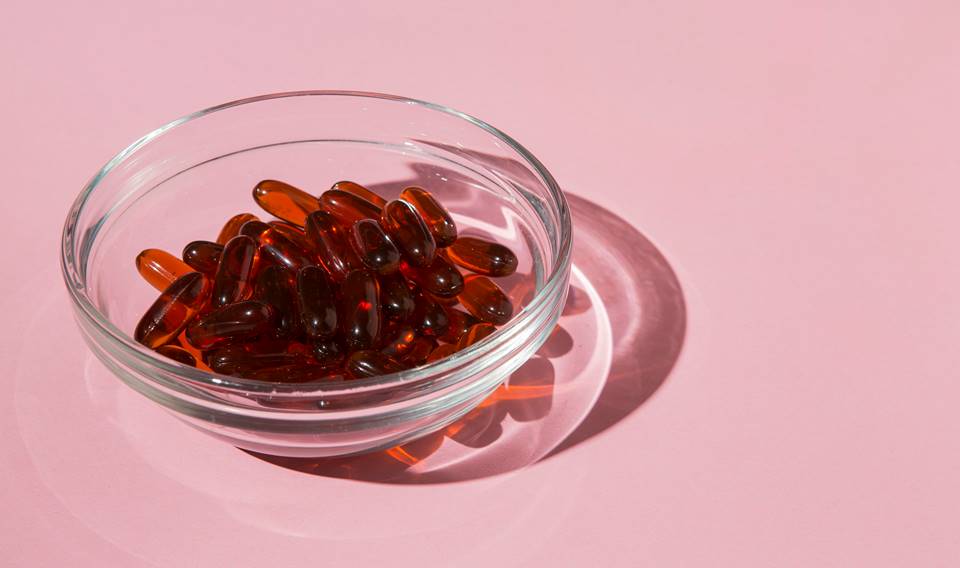
Resveratrol gain significant scientific interest for its potent antioxidant and anti-inflammatory properties, which may contribute to healthy aging and the prevention of chronic diseases. Although often referred to as a “longevity molecule,” current evidence suggests that resveratrol is most beneficial as part of an overall healthy lifestyle rather than as a standalone miracle supplement.
Over the past two decades, numerous laboratory studies, clinical trials, and systematic reviews have investigated resveratrol’s effects on cardiovascular health, metabolic function, cognitive performance, and inflammation. While results vary depending on dosage and study population, clinical evidence supports several promising health benefits.
Why Resveratrol Is Considered a Powerful Antioxidant
Resveratrol belongs to a group of plant compounds called stilbenes, which help protect plants from environmental stress. In humans, resveratrol acts by neutralizing free radicals, reducing oxidative stress, and modulating cellular signaling pathways involved in inflammation, metabolism, and aging.
Research suggests that resveratrol activates SIRT1 (Sirtuin-1) and AMP-activated protein kinase (AMPK), two pathways associated with improved mitochondrial function, metabolic health, and cellular repair (Baur & Sinclair, 2006; Springer & Moco, 2019).
Health Benefits of Resveratrol
1. Supports Heart Health
Resveratrol is best known for its cardioprotective properties. Clinical studies indicate that it may improve endothelial function, reduce oxidative damage, decrease LDL cholesterol oxidation, and enhance nitric oxide production, promoting healthier blood vessels.
A meta-analysis found that resveratrol supplementation may modestly improve blood pressure and vascular function, particularly in individuals with cardiovascular risk factors (Liu et al., 2020).

2. Helps Reduce Inflammation and Oxidative Stress
Chronic inflammation contributes to many diseases, including diabetes, cardiovascular disease, and arthritis. Resveratrol has been shown to inhibit inflammatory mediators such as NF-κB, TNF-α, IL-6, and C-reactive protein (CRP). Clinical trials demonstrate reductions in inflammatory biomarkers, especially in people with metabolic disorders (Hausenblas et al., 2015).
3. May Improve Blood Sugar Control
Several randomized clinical trials suggest that resveratrol may improve insulin sensitivity and glucose metabolism in individuals with type 2 diabetes. It appears to enhance glucose uptake, reduce insulin resistance, and improve pancreatic β-cell function. A systematic review reported improvements in fasting blood glucose and insulin sensitivity, particularly with higher doses (>500 mg/day) (Zhu et al., 2017).

4. Supports Brain Health and Cognitive Function
Oxidative stress and inflammation are major contributors to age-related cognitive decline. Emerging research indicates that resveratrol may improve cerebral blood flow, protect neurons from oxidative damage, and support memory and executive function. Although evidence remains preliminary, several human studies have reported improvements in cognitive performance among older adults receiving long-term supplementation (Witte et al., 2014).
5. May Promote Healthy Aging
Resveratrol has gained attention for its potential role in healthy aging through activation of SIRT1, a protein involved in DNA repair, mitochondrial function, and cellular survival. Animal studies consistently demonstrate lifespan-related benefits, while human studies suggest improvements in mitochondrial efficiency, metabolic health, and inflammatory status. However, definitive evidence that resveratrol extends human lifespan is currently lacking (Baur & Sinclair, 2006).

Recommended Dosage of Resveratrol
There is no universally established recommended daily intake for resveratrol.
Clinical studies commonly use:
- 100-500 mg/day for general antioxidant and cardiovascular support
- 500-1,000 mg/day in metabolic health research
- Some research studies have evaluated doses up to 2,000 mg/day, although gastrointestinal side effects become more common.
Because resveratrol has relatively low oral bioavailability, formulations combined with absorption enhancers or micronized preparations may improve effectiveness.
Potential Side Effects and Safety Considerations
Resveratrol is generally well tolerated when consumed at recommended doses.
Possible side effects include:
- Mild nausea
- Diarrhea
- Abdominal discomfort
- Headache
- Dizziness
Higher doses (greater than 1 gram/day) are more likely to cause gastrointestinal symptoms.
Who Should Avoid Resveratrol?
Resveratrol supplementation should be used cautiously or avoided by:
- Pregnant or breastfeeding women (insufficient safety data)
- Individuals scheduled for surgery (may affect blood clotting)
- People taking anticoagulant or antiplatelet medications
- Individuals with bleeding disorders
- Patients undergoing hormone-sensitive cancer treatment unless advised by a physician
Conclusion
Resveratrol is one of the most extensively researched plant polyphenols and offers promising health benefits supported by clinical evidence. Resveratrol improve cardiovascular health, reduce inflammation, enhance insulin sensitivity, support cognitive function, and contribute to healthy aging through its antioxidant and cellular protective effects.
References
- Liu K, Zhou R, Wang B, et al. Effect of resveratrol on blood pressure: A systematic review and meta-analysis of randomized controlled trials. Clinical Nutrition. 2020.
- Hausenblas HA, Schoulda JA, Smoliga JM. Resveratrol treatment as an adjunct to pharmacological management in type 2 diabetes mellitus: A systematic review and meta-analysis. Molecular Nutrition & Food Research. 2015.
- Zhu X, Wu C, Qiu S, et al. Effects of resveratrol on glucose control and insulin sensitivity: A meta-analysis of randomized controlled trials. The American Journal of Clinical Nutrition. 2017.
- Witte AV, Kerti L, Margulies DS, et al. Effects of resveratrol on memory performance, hippocampal functional connectivity, and glucose metabolism in healthy older adults. Journal of Neuroscience. 2014;34(23):7862-7870.
- Baur JA, Sinclair DA. Therapeutic potential of resveratrol: The in vivo evidence. Nature Reviews Drug Discovery. 2006;5(6):493-506.