

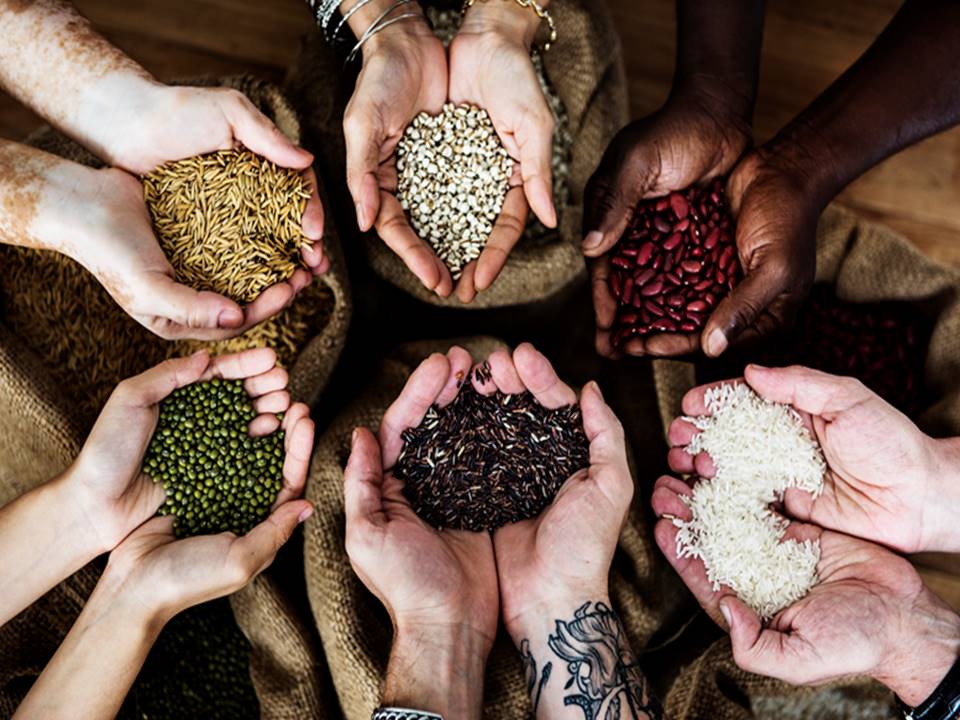
What are healthy seeds?
Seeds are tiny nutritional powerhouses loaded with proteins, healthy fats, dietary fiber, vitamins, minerals, and bioactive phytochemicals that support overall wellness and disease prevention. Clinical nutrition research has shown that regular seed consumption may help improve heart health, digestion, immunity, metabolic health, hormonal balance, and skin health. According to a review published in the American Journal of Clinical Nutrition, nutrient-rich seeds and nuts significantly reduce inflammation and cardiovascular disease risk.
Modern dietary science increasingly recognizes seeds as functional foods because of their high antioxidant and anti-inflammatory properties. Including a small quantity of mixed seeds in the daily diet can provide long-term health benefits naturally.
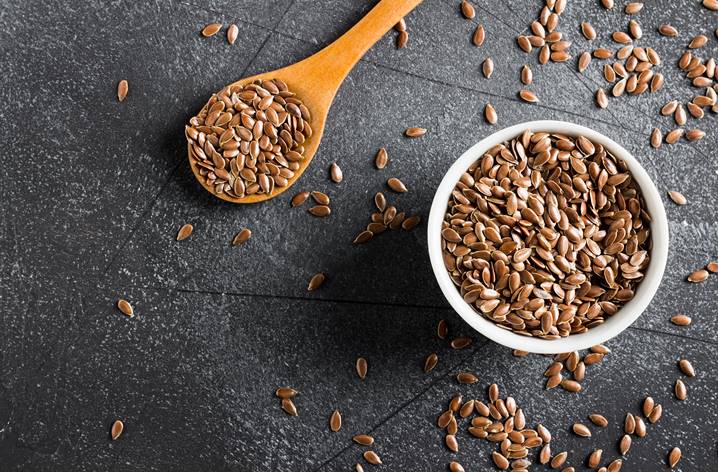
1. Flaxseeds
Flaxseeds are one of the richest plant-based sources of omega-3 fatty acids, particularly alpha-linolenic acid (ALA). They are also highly abundant in lignans, a class of phytoestrogens known for hormone-balancing and antioxidant effects.
Nutritional Components
- Omega-3 fatty acids (ALA)
- Dietary fiber
- Protein
- Magnesium
- Phosphorus
Important Phytochemicals
- Lignans
- Phenolic acids
- Flavonoids
Health Benefits
Flaxseeds support cardiovascular health by lowering LDL cholesterol and reducing inflammation. Their fiber content promotes gut health and improves bowel regularity. Lignans may also support hormonal balance and reduce menopausal symptoms.
A clinical review published in the Journal of Nutrition reported that flaxseed supplementation significantly improved lipid profiles and reduced cardiovascular risk factors. Another study in Nutrition Reviews highlighted the anti-inflammatory and antioxidant potential of flaxseed lignans.
Tip: Consume flaxseeds in ground form for better nutrient absorption.
2. Chia Seeds
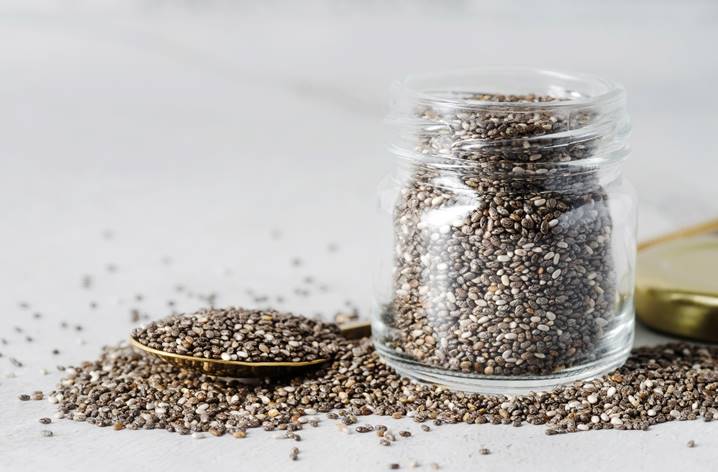
Chia seeds are highly valued for their exceptional fiber and hydration-supporting properties. When soaked in water, they form a gel-like consistency that aids digestion and hydration.
Nutritional Components
- Soluble fiber
- Omega-3 fatty acids
- Calcium
- Protein
- Magnesium
Important Phytochemicals
- Quercetin
- Chlorogenic acid
- Caffeic acid
Health Benefits
Chia seeds help improve digestive health, promote satiety, and support healthy weight management. Their omega-3 content contributes to cardiovascular and brain health, while antioxidants protect cells against oxidative stress.
A study published in Nutrients concluded that chia seeds may improve metabolic health, reduce postprandial blood sugar spikes, and enhance gastrointestinal function because of their fiber and polyphenol content.
3. Pumpkin Seeds
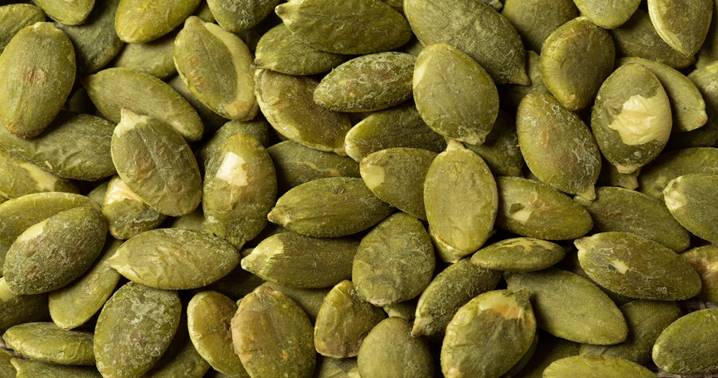
Pumpkin seeds, commonly known as pepitas, are highly nutritious seeds rich in zinc, magnesium, iron, and healthy fats.
Nutritional Components
- Magnesium
- Zinc
- Iron
- Protein
- Healthy fats
Important Phytochemicals
- Phytosterols
- Carotenoids
- Tocopherols
Health Benefits
Pumpkin seeds support prostate health, hormone balance, and immune function. Magnesium promotes muscle relaxation and improves sleep quality, while zinc supports reproductive and immune health.
Research published in Food Research International demonstrated that pumpkin seed phytosterols may help improve urinary health and reduce oxidative stress. Clinical evidence also supports their role in improving sleep quality because of their magnesium and tryptophan content.
4. Sunflower Seeds
Sunflower seeds are crunchy nutrient-dense seeds rich in Vitamin E, selenium, and healthy fats.
Nutritional Components
- Vitamin E
- Selenium
- Copper
- Healthy fats
- Protein
Important Phytochemicals
- Phenolic acids
- Flavonoids
- Tocopherols
Health Benefits
Sunflower seeds help reduce oxidative stress and inflammation due to their powerful antioxidant profile. Vitamin E supports skin health and immune function, while selenium contributes to thyroid health and cellular protection.
According to research published in Food Chemistry, sunflower seed antioxidants may help neutralize free radicals and protect against chronic inflammatory diseases.
5. Hemp Seeds
Hemp seeds are considered a complete protein because they contain all nine essential amino acids required by the human body.
Nutritional Components
- Complete protein
- Omega-3 and omega-6 fatty acids
- Iron
- Magnesium
- Zinc
Important Phytochemicals
- Gamma-linolenic acid (GLA)
- Polyphenols
Health Benefits
Hemp seeds support muscle growth, tissue repair, and brain function. Their healthy fatty acid profile contributes to cardiovascular health and may help reduce chronic inflammation.
A review published in Molecules highlighted the therapeutic potential of hemp seeds due to their balanced omega-6 to omega-3 ratio and anti-inflammatory phytochemicals.
6. Sabja (Sweet Basil) Seeds
Sabja seeds, also called sweet basil seeds, are widely consumed in summer beverages because of their natural cooling properties.
Nutritional Components
- Fiber
- Calcium
- Iron
- Magnesium
Important Phytochemicals
- Polyphenols
- Flavonoids
Health Benefits
Sabja seeds support digestive wellness and help relieve constipation because of their high soluble fiber content. They also help maintain hydration and provide a cooling effect to the body.
Research published in Phytotherapy Research reported that basil seeds contain significant antioxidant and anti-inflammatory compounds that may support metabolic and gastrointestinal health.
7. Sesame Seeds
Sesame seeds are among the oldest medicinal seeds and are highly valued for their nutritional and therapeutic properties.
Nutritional Components
- Calcium
- Iron
- Copper
- Healthy fats
- Protein
Important Phytochemicals
- Sesamin
- Sesamol
- Lignans
Health Benefits
Sesame seeds help strengthen bones, improve cholesterol levels, and support cardiovascular health. Their antioxidants may reduce oxidative stress and inflammation.
Clinical studies published in the Journal of Medicinal Food found that sesamin and sesamol exhibit cardioprotective, anti-inflammatory, and antioxidant activities.
8. Watermelon Seeds
Watermelon seeds are often discarded but are rich in protein, healthy fats, magnesium, and iron.
Nutritional Components
- Protein
- Magnesium
- Iron
- Zinc
- Healthy fats
Important Phytochemicals
- Lycopene
- Phenolic compounds
Health Benefits
Watermelon seeds support metabolism, energy production, immunity, and muscle health. Magnesium contributes to nerve and muscle function, while antioxidants help protect cells from oxidative damage.
Research in the International Journal of Food Sciences and Nutrition highlighted the high nutritional value and antioxidant activity of watermelon seeds.
The Bottom Line
Seeds are among the most powerful natural superfoods that can significantly improve overall health when included regularly in the diet. Flaxseeds, chia seeds, pumpkin seeds, sunflower seeds, hemp seeds, sabja seeds, sesame seeds, and watermelon seeds provide healthy fats, proteins, dietary fiber, vitamins, minerals, and phytochemicals that support heart health, immunity, digestion, hormone balance, skin health, and metabolic wellness.
References
- Ros E. Health Benefits of Nut Consumption. American Journal of Clinical Nutrition. 2010.
- Pan A et al. Effects of Flaxseed Interventions on Blood Lipids. American Journal of Clinical Nutrition. 2009.
- Ullah R et al. Nutritional and Therapeutic Perspectives of Chia Seeds. Nutrients. 2016.
- Stevenson DG et al. Functional and Nutritional Benefits of Pumpkin Seeds. Food Research International.
- Callaway JC. Hempseed as a Nutritional Resource. Molecules. 2004.
- Namiki M. Nutraceutical Functions of Sesame. Journal of Medicinal Food. 2007.
- Food Chemistry Journal. Antioxidant Properties of Sunflower Seeds. 2017.
- Phytotherapy Research. Therapeutic Properties of Basil Seeds.
- International Journal of Food Sciences and Nutrition. Nutritional Evaluation of Watermelon Seeds.