

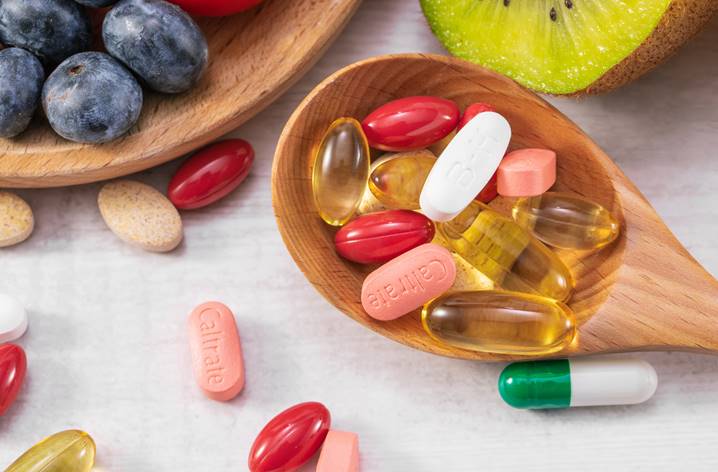
Amazing Ayurvedic Herbs have been used for centuries in Ayurveda, one of the world’s oldest traditional systems of medicine, to support overall health and wellness. Modern scientific research has investigated many of these medicinal plants and found potential benefits for stress management, cognitive function, metabolic health, immunity, cardiovascular health, and physical performance. While Ayurvedic herbs should not replace prescribed medical treatments, several have demonstrated promising effects in human clinical studies. Here are ten widely used Ayurvedic herbs and the scientific evidence supporting their health benefits.
1. Ashwagandha (Withania somnifera)
Ashwagandha is among the most extensively studied Ayurvedic herbs. Classified as an adaptogen, it is traditionally used to help the body cope with physical and psychological stress.
Clinical research suggests that Ashwagandha may reduce perceived stress and cortisol levels. In a randomized, double-blind, placebo-controlled study, adults receiving Ashwagandha root extract experienced significant reductions in stress scores and serum cortisol compared with placebo (Chandrasekhar et al., 2012).
Ashwagandha may also support physical performance. A systematic review published in the Journal of Functional Morphology and Kinesiology reported improvements in muscle strength, recovery, and cardiorespiratory fitness among healthy adults taking Ashwagandha supplements (Bonilla et al., 2021).
Additionally, emerging evidence suggests benefits for sleep quality, cognitive performance, and male reproductive health, although larger studies are still needed.
2. Turmeric (Curcuma longa)
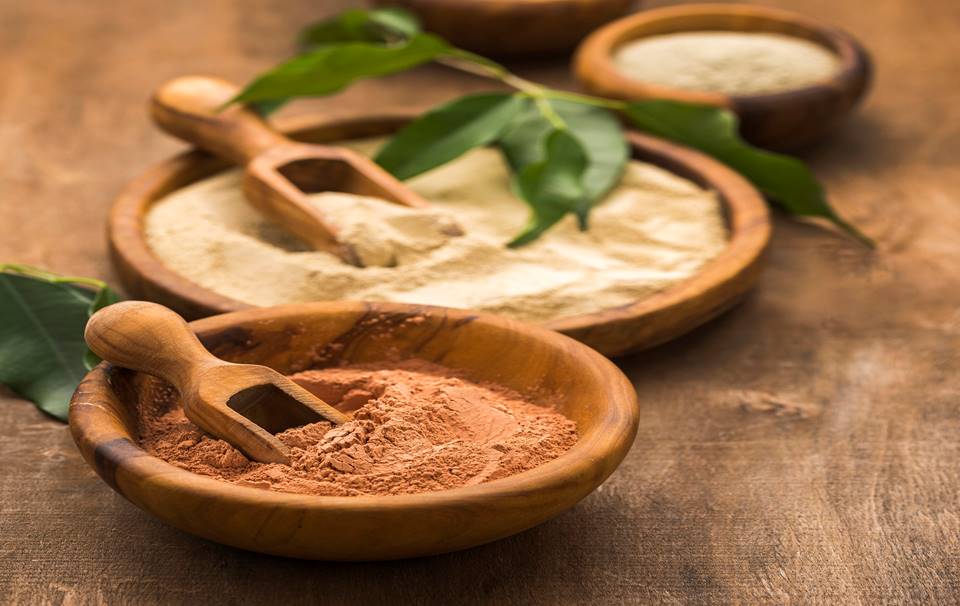
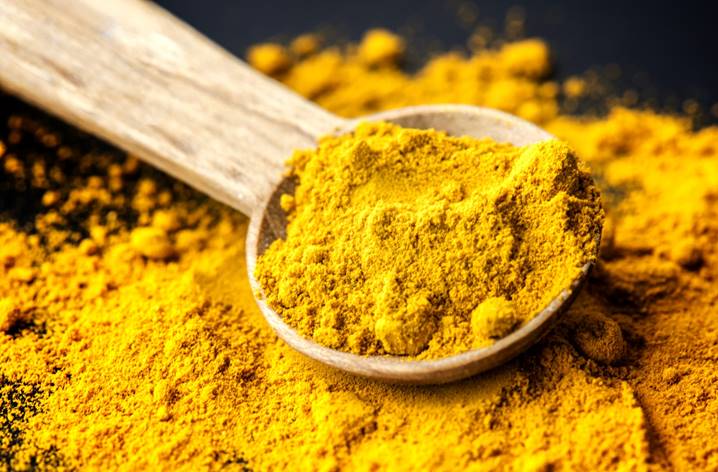
Turmeric contains curcumin, a bioactive compound known for its antioxidant and anti-inflammatory properties.
Inflammation contributes to numerous chronic diseases, including cardiovascular disease, arthritis, obesity, and diabetes. Clinical studies have shown that curcumin supplementation may help reduce inflammatory markers such as C-reactive protein (CRP) and tumor necrosis factor-alpha (TNF-α) (Hewlings & Kalman, 2017).
A meta-analysis published in Journal of Medicinal Food found that curcumin supplementation significantly improved symptoms of osteoarthritis, particularly pain and physical function (Daily et al., 2016).
Research also suggests potential benefits for metabolic health, insulin sensitivity, and liver function, making turmeric one of the most researched medicinal spices globally.
3. Amla (Emblica officinalis)
Amla, also known as Indian gooseberry, is rich in vitamin C, polyphenols, tannins, and flavonoids.
Several clinical studies indicate that Amla may support cardiovascular health. A randomized controlled trial found that Amla supplementation improved total cholesterol, LDL cholesterol, triglycerides, and HDL cholesterol levels in individuals with dyslipidemia (Upadya et al., 2019).
Amla’s antioxidant properties may help reduce oxidative stress, a key factor in aging and chronic disease development. Research also suggests that Amla may support healthy blood sugar regulation and endothelial function.
Because of its nutrient density and antioxidant content, Amla is often considered one of Ayurveda’s most valuable rejuvenating herbs.
4. Giloy (Tinospora cordifolia)
Giloy is traditionally used to support immune health and resilience against infections.
Laboratory and clinical studies suggest that Giloy possesses immunomodulatory, antioxidant, and anti-inflammatory properties. A review published in Journal of Ethnopharmacology reported that bioactive compounds in Giloy may influence immune cell activity and inflammatory pathways (Sharma et al., 2019).
Some preliminary clinical evidence suggests that Giloy may help improve immune function and support recovery from recurrent illnesses. However, larger well-designed human studies are necessary to confirm these findings.
Giloy’s popularity has increased due to its traditional use in supporting overall vitality and immune health.
5. Gokhru (Tribulus terrestris)
Gokhru has traditionally been used for urinary, reproductive, and physical performance support.
Research on Tribulus terrestris has produced mixed results. While many commercial products promote testosterone enhancement, clinical studies generally do not show significant increases in testosterone levels among healthy men.
However, some studies indicate potential benefits for sexual function and libido. A randomized clinical trial found improvements in sexual desire among women with hypoactive sexual desire disorder who received Tribulus supplementation (Postigo et al., 2016).
Additionally, Tribulus may support urinary tract health and exercise performance, although more robust evidence is required.
6. Brahmi (Bacopa monnieri)
Brahmi is one of the most respected Ayurvedic herbs for brain health and cognition.
Several randomized controlled trials have demonstrated that Bacopa monnieri may improve memory acquisition, information processing, and cognitive performance. A systematic review published in Journal of Alternative and Complementary Medicine concluded that Bacopa supplementation was associated with improvements in memory recall and cognitive function (Kongkeaw et al., 2014).
Researchers believe these effects may be related to antioxidant activity, neurotransmitter modulation, and neuroprotective mechanisms.
Brahmi is commonly used by students, professionals, and older adults seeking cognitive support.
7. Shilajit
Shilajit is a mineral-rich substance formed from decomposed plant material in mountainous regions. It contains fulvic acid, dibenzo-alpha-pyrones, and trace minerals.
Clinical studies suggest that Shilajit may support energy production and mitochondrial function. A review published in Journal of Ethnopharmacology highlighted its potential role in healthy aging and energy metabolism (Carrasco-Gallardo et al., 2012).
A randomized clinical study reported improvements in total testosterone and free testosterone levels in healthy men after Shilajit supplementation for 90 days (Pandit et al., 2016).
Although promising, additional high-quality research is required to establish long-term benefits and safety.
8. Tulsi (Ocimum sanctum)
Tulsi, commonly known as Holy Basil, is regarded in Ayurveda as a powerful adaptogenic herb.
Clinical evidence suggests that Tulsi may help support stress management, metabolic health, and immune function. A review published in Evidence-Based Complementary and Alternative Medicine reported that Tulsi demonstrated favorable effects on psychological stress, blood glucose, lipid profiles, and inflammation (Cohen, 2014).
Tulsi also contains bioactive compounds with antioxidant properties that may help protect cells from oxidative damage.
Because of its broad range of biological activities, Tulsi remains one of the most commonly consumed Ayurvedic herbs worldwide.
9. Neem (Azadirachta indica)
Neem has long been used in Ayurveda for skin care, oral health, and general wellness.
Scientific studies suggest that Neem contains bioactive compounds with antimicrobial, antioxidant, and anti-inflammatory activities. Research indicates that Neem extracts may help reduce dental plaque and support oral hygiene when used in mouth rinses and oral care products (Pai et al., 2004).
Additionally, laboratory studies have demonstrated antibacterial and antifungal properties, although more clinical trials are needed to establish therapeutic applications.
Neem remains a popular ingredient in traditional oral and skin-care formulations.
10. Moringa (Moringa oleifera)
Although often considered a nutritional superfood, Moringa also has a long history in traditional medicine.
Moringa leaves contain protein, fiber, vitamins, minerals, and polyphenolic compounds. Clinical and preclinical studies suggest potential benefits for blood sugar regulation, antioxidant status, and nutritional support.
A review published in Phytotherapy Research reported that Moringa may help improve glucose metabolism and reduce oxidative stress markers (Leone et al., 2015).
Its high nutrient density makes it particularly valuable in populations at risk of nutritional deficiencies.
The Bottom Line
Ayurvedic herbs continue to attract scientific interest because many contain bioactive compounds capable of influencing human health. Among the most evidence-supported options are Ashwagandha for stress and physical performance, Turmeric for inflammation, Amla for cardiovascular health, Brahmi for cognitive function, Tulsi for stress management, and Shilajit for energy metabolism and male health. Herbs such as Giloy, Gokhru, Neem, and Moringa also show promising potential, although additional high-quality clinical trials are needed for some applications.
References
- Chandrasekhar K, Kapoor J, Anishetty S. A prospective, randomized double-blind study of safety and efficacy of high-concentration Ashwagandha root extract in reducing stress and anxiety. Indian J Psychol Med. 2012;34(3):255-262.
- Bonilla DA, Moreno Y, Gho C, et al. Effects of Ashwagandha supplementation on physical performance. J Funct Morphol Kinesiol. 2021;6(1):20.
- Hewlings SJ, Kalman DS. Curcumin: A review of its effects on human health. Foods. 2017;6(10):92.
- Daily JW, Yang M, Park S. Efficacy of turmeric extracts and curcumin for alleviating symptoms of joint arthritis. J Med Food. 2016;19(8):717-729.
- Upadya H, Prabhu S, Prasad A, et al. Effect of Amla supplementation on cardiovascular risk factors. BMC Complement Altern Med. 2019;19:27.
- Sharma U, Bala M, Kumar N, et al. Immunomodulatory active compounds from Tinospora cordifolia. J Ethnopharmacol. 2019.
- Postigo S, Heredia M, et al. Tribulus terrestris and female sexual dysfunction: randomized clinical trial. J Sex Marital Ther. 2016.
- Kongkeaw C, Dilokthornsakul P, Thanarangsarit P, et al. Meta-analysis of Bacopa monnieri on cognitive performance. J Altern Complement Med. 2014;20(6):1-11.
- Carrasco-Gallardo C, Guzmán L, Maccioni RB. Shilajit: A natural phytocomplex with potential benefits. J Ethnopharmacol. 2012;139(3):635-645.
- Pandit S, Biswas S, Jana U, et al. Clinical evaluation of purified Shilajit on testosterone levels in healthy volunteers. Andrologia. 2016;48(5):570-575.
- Cohen MM. Tulsi (Ocimum sanctum): A review of therapeutic applications. Evid Based Complement Alternat Med. 2014;2014:921756.
- Pai MR, Acharya LD, Udupa N. Evaluation of antiplaque activity of Azadirachta indica. J Clin Pediatr Dent. 2004;28(3):189-192.
- Leone A, Spada A, Battezzati A, et al. Nutritional and therapeutic potential of Moringa oleifera. Phytother Res. 2015;29(6):796-804.