
Aging is a normal biological process that causes gradual changes in cellular function, tissue repair, metabolism, and immunological response.
Research indicates that aging cannot be stopped, but dietary supplements may encourage healthy aging, improve quality of life, and reduce age-related functional decline. Anti-aging supplements have grown in popularity because they may help address some of the molecular causes associated with aging, including oxidative stress, chronic inflammation, mitochondrial malfunction, and cellular damage.
Although no supplement can reverse aging, certain nutrients and bioactive compounds have demonstrated promising benefits for skin health. Below are some of the most widely researched anti-aging supplements supported by clinical and scientific evidence.
Key Anti-Aging Supplements
1. Collagen Peptides
Collagen is the most abundant structural protein in the body and plays a crucial role in maintaining skin elasticity, hydration, and firmness. Natural collagen production declines with age, contributing to wrinkles, sagging skin, and reduced skin resilience.
Hydrolyzed collagen peptides, typically consumed at doses of 5-15 grams daily, have been shown to improve skin hydration and elasticity. A systematic review and meta-analysis published in the International Journal of Dermatology found that oral collagen supplementation significantly improved skin moisture, elasticity, and wrinkle appearance after several weeks of use. Pairing collagen with vitamin C may further enhance collagen synthesis because vitamin C is an essential cofactor in collagen production [1].
2. Hyaluronic Acid
Hyaluronic acid is a naturally occurring substance that helps retain moisture within the skin and connective tissues. As people age, hyaluronic acid levels decline, resulting in dryness and reduced skin volume.
Clinical studies suggest that oral hyaluronic acid supplementation may improve skin hydration, reduce dryness, and enhance overall skin appearance. Research published in Nutrients reported improvements in skin moisture and elasticity among adults consuming hyaluronic acid supplements regularly. By supporting hydration from within, hyaluronic acid may contribute to a healthier and more youthful complexion [2].
3. Coenzyme Q10 (CoQ10)
Coenzyme Q10 (CoQ10) is a powerful antioxidant found in the mitochondria, the energy-producing structures within cells. Aging is associated with declining CoQ10 levels, which may contribute to reduced energy production and increased oxidative stress.
Supplementation with CoQ10 has been linked to improvements in cellular energy metabolism, cardiovascular health, and antioxidant defense. Clinical research has shown that CoQ10 supplementation may help reduce oxidative damage and improve markers of cardiovascular function. Additionally, CoQ10 may support skin health by protecting cells from free radical damage associated with aging [3].
4. NMN (Nicotinamide Mononucleotide)
NMN is a precursor to nicotinamide adenine dinucleotide (NAD+), a molecule essential for energy production, DNA repair, and cellular metabolism. NAD+ levels naturally decline with age, which may contribute to reduced cellular function and age-related physiological changes.
Emerging research suggests that NMN supplementation may increase NAD+ levels and support metabolic health, muscle function, and healthy aging processes. Human clinical trials have demonstrated that NMN can effectively raise NAD+ concentrations and improve certain metabolic parameters, although more long-term studies are needed to confirm its role in longevity [4].
5. Omega-3 Fatty Acids
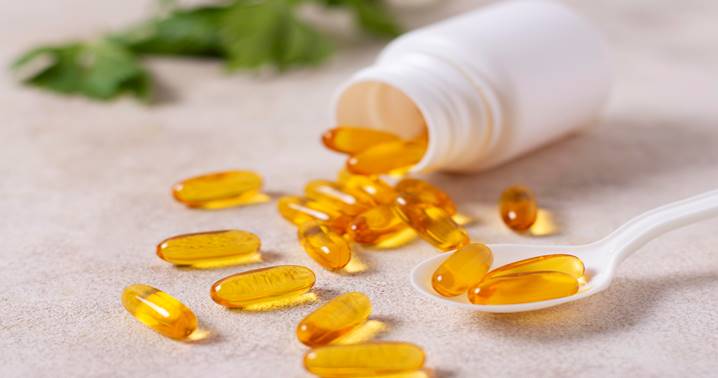
Omega-3 fatty acids, particularly EPA and DHA, are essential fats known for their anti-inflammatory and cardioprotective properties. Chronic low-grade inflammation is considered one of the hallmarks of aging and contributes to many age-related diseases.
Numerous studies have demonstrated that omega-3 supplementation supports cardiovascular health, cognitive function, and healthy aging. Research published in major cardiovascular and nutrition journals has linked omega-3 intake with improved heart health, reduced inflammation, and better preservation of cognitive performance in older adults [5].
6 Vitamin D
Vitamin D plays a critical role in calcium absorption, bone mineralization, muscle function, and immune health. Unfortunately, vitamin D deficiency is common among older adults due to reduced sun exposure and decreased skin synthesis.
Studies have shown that inadequate vitamin D levels are associated with increased risks of osteoporosis, muscle weakness, falls, and cognitive decline. Maintaining optimal vitamin D status through supplementation when necessary may help preserve bone density and support healthy aging [6].
7. Resveratrol
Resveratrol is a polyphenol naturally found in grapes, berries, and red wine. It has attracted attention because of its potential ability to activate sirtuins, proteins involved in cellular repair and longevity pathways.
Preclinical and human studies suggest that resveratrol possesses antioxidant and anti-inflammatory properties that may support cardiovascular health and metabolic function. While evidence regarding lifespan extension in humans remains limited, resveratrol continues to be investigated for its potential role in healthy aging [7].
8. Spermidine
Spermidine is a naturally occurring compound found in foods such as wheat germ, soybeans, mushrooms, and aged cheese. It has gained scientific interest because it promotes autophagy, a cellular housekeeping process that removes damaged cellular components.
Research suggests that enhanced autophagy may contribute to healthier aging by improving cellular maintenance and resilience. Observational studies have linked higher dietary spermidine intake with reduced mortality risk and improved cardiovascular health markers [8].
9. Curcumin
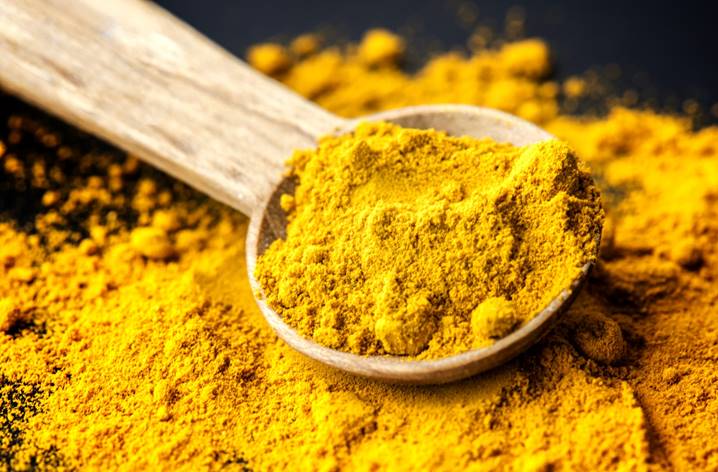
Curcumin, the primary bioactive compound in turmeric, is well known for its potent anti-inflammatory and antioxidant properties. Chronic inflammation is strongly associated with aging and many age-related disorders, including cardiovascular disease, arthritis, and neurodegenerative conditions. Clinical trials indicate that curcumin supplementation may help reduce inflammatory biomarkers and oxidative stress. Emerging evidence also suggests potential benefits for cognitive health, joint function, and overall cellular protection when formulated for improved absorption [9].
How to Choose Anti-Aging Supplements
Choosing anti-aging supplements requires careful consideration of product quality, ingredient transparency, dosage, and scientific evidence. Look for supplements manufactured according to Good Manufacturing Practices (GMP), tested by third-party laboratories, and supported by human clinical research. Since individual health needs vary, consulting a healthcare professional before starting any supplement regimen is recommended, especially for older adults taking medications or managing chronic conditions.
Bottom Line
Aging is natural, but some supplementation may help support healthy aging and overall well-being. Collagen peptides and hyaluronic acid can improve skin appearance and hydration, while CoQ10 and NMN support cellular energy production. Omega-3 fatty acids and vitamin D contribute to cardiovascular, cognitive, and bone health, whereas resveratrol, spermidine, and curcumin provide antioxidant and anti-inflammatory benefits.
References
- de Miranda RB, Weimer P, Rossi RC. Effects of hydrolyzed collagen supplementation on skin aging: A systematic review and meta-analysis. International Journal of Dermatology. 2021. https://pubmed.ncbi.nlm.nih.gov/33742704/
- Oe M, et al. Oral hyaluronan relieves wrinkles and improves skin condition. Nutrients. 2020. https://pubmed.ncbi.nlm.nih.gov/31817011/
- Mantle D, Dybring A. Bioavailability of Coenzyme Q10. Journal of Clinical Medicine. 2020. https://pubmed.ncbi.nlm.nih.gov/30371389/
- Yoshino M, et al. Nicotinamide mononucleotide increases NAD+ metabolism in humans. Science. 2021. https://pubmed.ncbi.nlm.nih.gov/36482258/
- Bernasconi AA, et al. Omega-3 fatty acids and healthy aging. Nutrients. 2021. https://pubmed.ncbi.nlm.nih.gov/32651002/
- Pilz S, et al. Vitamin D and healthy aging. Journal of Clinical Endocrinology & Metabolism. 2022. https://pubmed.ncbi.nlm.nih.gov/34579187/
- Berman AY, et al. The therapeutic potential of resveratrol. NPJ Precision Oncology. 2017. https://pubmed.ncbi.nlm.nih.gov/25431878/
- Madeo F, et al. Spermidine in health and disease. Science. 2018. https://pubmed.ncbi.nlm.nih.gov/31450839/
- Hewlings SJ, Kalman DS. Curcumin: A review of its effects on human health. Foods. 2017. https://pubmed.ncbi.nlm.nih.gov/32290271/