

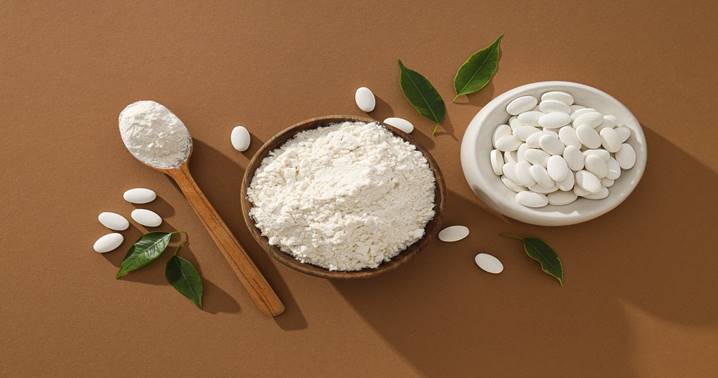
Manganese is an essential mineral required in small amounts but indispensable for maintaining optimal health. Manganese plays a fundamental role in bone formation, energy metabolism, antioxidant defense, connective tissue synthesis, brain function, and wound healing.
It acts as a cofactor for numerous enzymes involved in carbohydrate, amino acid, and cholesterol metabolism while helping protect cells from oxidative damage through the antioxidant enzyme manganese superoxide dismutase (MnSOD). Because the human body cannot produce manganese, it must be obtained through a balanced diet (1).
Why Manganese Is Essential for Overall Health
Although the body contains only about 10-20 mg of manganese, it is distributed throughout the bones, liver, pancreas, kidneys, and brain, where it supports numerous biochemical reactions. According to the National Institutes of Health (NIH), adult men require approximately 4 mg/day.
Manganese functions primarily as an enzyme cofactor, activating enzymes responsible for energy production, collagen synthesis, bone mineralization, neurotransmitter production, and antioxidant protection. Since only a small proportion of dietary manganese is absorbed, consuming manganese-rich foods regularly is important for maintaining adequate body stores.
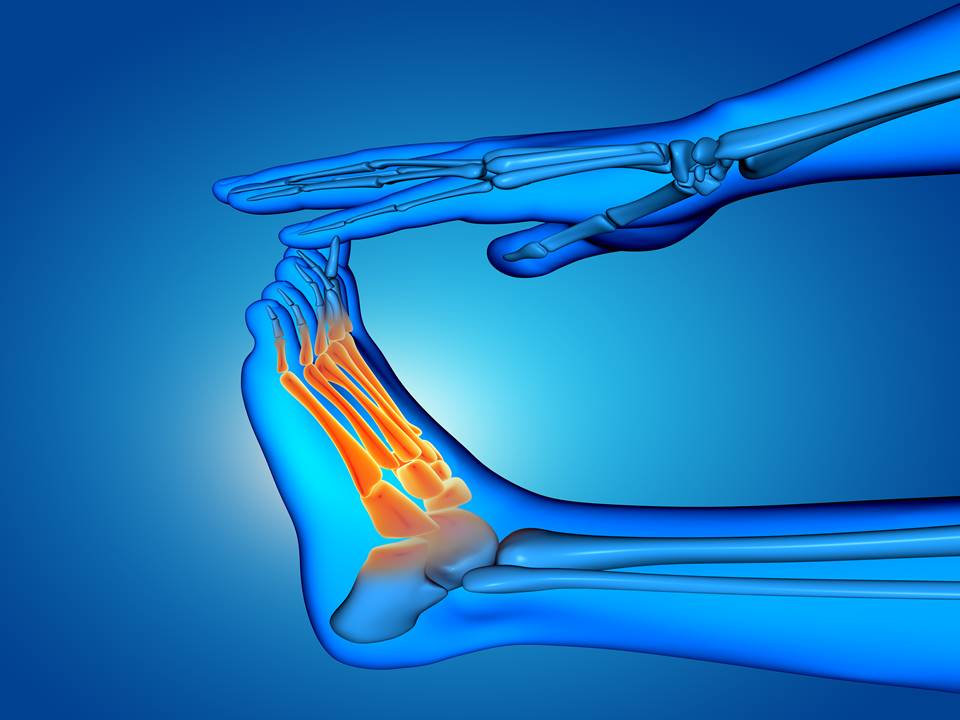
1. Supports Strong Bones and Connective Tissue
One of manganese’s most important functions is maintaining skeletal integrity. The mineral participates in the synthesis of proteoglycans, collagen, and other components of cartilage and connective tissue that provide structural support for bones and joints.
Research suggests that manganese works synergistically with calcium, vitamin D, magnesium, phosphorus, and zinc to promote normal bone mineralization. Experimental and observational studies have associated adequate manganese intake with improved bone density and skeletal development, particularly in older adults at risk of osteoporosis (2).
Although manganese supplementation alone has not consistently demonstrated fracture prevention in healthy adults, obtaining sufficient dietary manganese remains an important component of lifelong bone health.
2. Boosts Natural Antioxidant Defense
Perhaps the most critical biological role of manganese is its involvement in the antioxidant enzyme manganese superoxide dismutase (MnSOD), located within the mitochondria, the energy-producing structures inside cells.
MnSOD converts harmful superoxide free radicals into less damaging molecules, thereby protecting cellular DNA, proteins, and lipids from oxidative stress. Oxidative damage contributes to aging and numerous chronic diseases, including cardiovascular disease, diabetes, and neurodegenerative disorders.
A review by Li and Yang (2018) highlighted the central role of MnSOD in maintaining mitochondrial health and reducing oxidative stress. Adequate manganese intake supports the body’s natural antioxidant defense system and helps preserve normal cellular function (3).

3. Enhances Energy Metabolism
Every meal consumed must be converted into usable cellular energy, and manganese is essential for this process. The mineral activates several enzymes involved in carbohydrate, fat, and protein metabolism, allowing nutrients to be efficiently transformed into adenosine triphosphate (ATP), the body’s primary energy currency.
Manganese-dependent enzymes also participate in cholesterol synthesis, amino acid metabolism, and glucose regulation. Although manganese is not an energy stimulant, inadequate intake may impair normal metabolic efficiency over time.
For physically active individuals, maintaining adequate manganese intake through food contributes to healthy metabolic function alongside other essential micronutrients.
4. Supports Healthy Blood Sugar Regulation
Emerging evidence suggests manganese may contribute to glucose metabolism because it serves as a cofactor for enzymes involved in insulin synthesis and carbohydrate metabolism.
Several observational studies have reported associations between altered manganese status and impaired glucose regulation. However, clinical evidence regarding manganese supplementation for diabetes prevention or treatment remains inconsistent.
Current scientific consensus indicates that consuming adequate manganese through a balanced diet supports normal metabolic processes but should not be considered a treatment for diabetes.

5. Promotes Brain Function
Manganese contributes to normal neurological function by supporting neurotransmitter synthesis and protecting nerve cells against oxidative damage. The brain contains relatively high concentrations of manganese because numerous enzymes depend upon its presence.
While adequate manganese is essential for normal brain development and cognitive function, excessive manganese exposure particularly from occupational inhalation or contaminated water can cause neurological toxicity. This highlights the importance of maintaining manganese intake within recommended dietary limits.
For healthy individuals, obtaining manganese from food remains the safest and most effective strategy for supporting nervous system health.
6. Aids Wound Healing and Collagen Production
Healthy skin, blood vessels, ligaments, and cartilage rely on collagen, one of the body’s most abundant structural proteins. Manganese activates enzymes involved in collagen formation and connective tissue synthesis, making it an important nutrient during tissue repair and wound healing.
Together with vitamin C, copper, and zinc, manganese contributes to maintaining healthy skin structure and supporting recovery following minor injuries.

7. May Support Reproductive and Immune Health
Although research remains ongoing, manganese participates in hormone synthesis, reproductive function, and immune regulation through its involvement in numerous enzyme systems.
Animal studies suggest manganese influences reproductive development and fertility, while observational human studies indicate that adequate dietary intake supports normal immune cell activity. However, additional randomized clinical trials are needed before definitive therapeutic recommendations can be made.
Natural Food Sources of Manganese
Unlike many minerals primarily found in animal foods, manganese is abundant in plant-based foods. Whole grains, legumes, nuts, seeds, leafy vegetables, and tea are among the richest dietary sources.
Excellent sources include whole wheat, brown rice, oats, quinoa, almonds, pecans, hazelnuts, pumpkin seeds, spinach, kale, chickpeas, lentils, soybeans, pineapple, blueberries, raspberries, mussels, and black tea. Eating a varied diet rich in whole foods generally provides sufficient manganese for most healthy adults without requiring supplementation.

Can You Take Manganese Supplements?
Most healthy individuals meet their manganese needs through diet alone. Supplements are generally reserved for individuals with medically confirmed deficiencies, malabsorption disorders, or those receiving long-term parenteral nutrition under medical supervision.
Excessive manganese intake from supplements should be avoided because high levels may accumulate in the brain and produce neurological symptoms. The Institute of Medicine established a Tolerable Upper Intake Level (UL) of 11 mg/day for adults.
Individuals with chronic liver disease or impaired manganese excretion should consult healthcare professionals before using manganese-containing supplements.
Conclusion
Manganese supports bone formation, antioxidant protection, energy metabolism, connective tissue synthesis, wound healing, and normal nervous system function. Its most important role lies in activating enzymes, particularly manganese superoxide dismutase, which protects cells against oxidative stress. Although deficiency is uncommon in healthy individuals, maintaining adequate intake through nutrient-rich foods such as whole grains, nuts, seeds, legumes, leafy vegetables, and fruits is essential for long-term health. For most people, a balanced diet remains the safest and most effective way to obtain this vital mineral.