

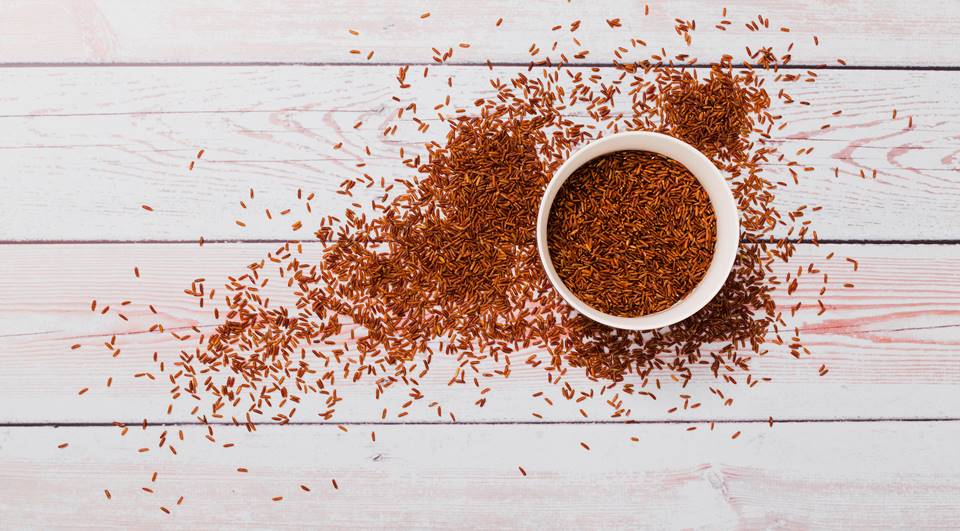
What Is Red Yeast Rice?
Red Yeast Rice (RYR) has gained global attention as a natural supplement for managing cholesterol and supporting cardiovascular health. Produced by fermenting rice with the yeast Monascus purpureus, Red Yeast Rice contains several bioactive compounds known as monacolins, particularly monacolin K, which is chemically identical to the prescription cholesterol-lowering drug lovastatin.
Clinical studies have demonstrated that standardized Red Yeast Rice supplements can significantly reduce LDL (“bad”) cholesterol while offering additional cardiovascular benefits. However, because of its statin-like activity, it also carries potential side effects and requires responsible use. In this article we will understand, its benefits, proper dosage, and safety profile is essential before incorporating it into a wellness routine.
Why Red Yeast Rice Is Becoming a Popular
Red Yeast Rice has been extensively studied in randomized clinical trials and meta-analyses. Results revealed that Red Yeast Rice significantly reduced cholesterol levels in the body by inhibiting of HMG-CoA reductase, the key enzyme responsible for cholesterol synthesis in the liver (Li et al., 2019; Cicero et al., 2021). Moreover, research also revealed that Red Yeast Rice contains phytosterols, isoflavones, unsaturated fatty acids, and pigments with antioxidant activity that may contribute to its cardiovascular benefits.
5 Health Benefits of Red Yeast Rice
1. Effectively Lowers LDL (“Bad”) Cholesterol
The strongest clinical evidence for Red Yeast Rice is its ability to reduce LDL cholesterol. Multiple randomized controlled trials have shown LDL reductions ranging from 15% to 30%, comparable to low-dose statin therapy in selected individuals (Gerards et al., 2015).
A comprehensive meta-analysis published in the Journal of the American Heart Association concluded that standardized Red Yeast Rice significantly lowers total cholesterol, LDL cholesterol, and triglycerides while modestly increasing HDL cholesterol (Li et al., 2019).
For individuals with mild to moderate hypercholesterolemia who cannot tolerate statins, Red Yeast Rice may serve as an alternative under medical supervision.

2. Supports Overall Heart Health
Lower LDL cholesterol directly translates into reduced cardiovascular risk. One of the landmark clinical trials, the China Coronary Secondary Prevention Study (CCSPS), demonstrated that Red Yeast Rice significantly reduced major coronary events, cardiovascular mortality, and the need for coronary interventions among patients with previous heart attacks (Lu et al., 2008).
Its antioxidant compounds may also help reduce oxidative stress and improve vascular function, providing additional protection against atherosclerosis.
3. Helps Improve Blood Lipid Profile
Beyond lowering LDL cholesterol, Red Yeast Rice has demonstrated benefits in improving the overall lipid profile.
Clinical research shows reductions in:
- Total cholesterol
- Triglycerides
- Non-HDL cholesterol
Some studies also report modest increases in HDL (“good”) cholesterol, contributing to a healthier cardiovascular profile (Cicero et al., 2021). These combined effects make Red Yeast Rice an attractive nutraceutical for comprehensive lipid management.

4. May Reduce Inflammation and Oxidative Stress
Chronic inflammation and oxidative damage play important roles in cardiovascular disease. Laboratory and clinical studies suggest that Red Yeast Rice contains antioxidant compounds capable of reducing inflammatory markers and protecting blood vessels from oxidative injury. Although more human studies are needed, current evidence indicates that these additional mechanisms may complement its cholesterol-lowering effects (Cicero et al., 2021).
5. Offers a Natural Option for Statin-Intolerant Individuals
Muscle pain is one of the most common reasons people discontinue prescription statins. Several clinical guidelines recognize standardized Red Yeast Rice as a possible option for carefully selected individuals who cannot tolerate conventional statins, provided that product quality is assured and medical monitoring is available (European Society of Cardiology discussions; Cicero et al., 2021).
Recommended Dosage of Red Yeast Rice
The appropriate dosage depends on the concentration of monacolin K in the product rather than the total amount of Red Yeast Rice.
Most clinical studies have used:
- 600-1,200 mg twice daily
- Total daily intake: 1,200-2,400 mg
- Providing approximately 3-10 mg of monacolin K per day
Since supplement formulations vary considerably, consumers should select products that are manufactured under strict quality standards and tested for contaminants such as citrinin, a potentially harmful mycotoxin.
Red Yeast Rice should preferably be taken with meals and used only after consulting a healthcare professional, particularly in individuals with existing medical conditions.
Potential Side Effects and Safety Considerations
Although often marketed as “natural,” Red Yeast Rice can produce side effects similar to prescription statins.
Possible adverse effects include:
- Muscle pain or weakness
- Elevated liver enzymes
- Digestive discomfort
- Headache
- Nausea
- Fatigue
Who Should Avoid Red Yeast Rice?
Red Yeast Rice should generally be avoided by:
- Pregnant or breastfeeding women
- Individuals with active liver disease
- Patients already taking prescription statins unless advised by a physician
- Individuals with severe kidney disease
- People consuming excessive alcohol
- Those taking medications that strongly inhibit CYP3A4 (which may increase monacolin K levels)
Additionally, not all commercial supplements contain consistent amounts of active compounds. Independent testing has revealed substantial variability among products, making quality assurance especially important.

The Bottom Line
Red Yeast Rice is one of the most scientifically supported nutraceuticals for cholesterol management. Clinical evidence consistently demonstrates its ability to reduce LDL cholesterol, improve overall lipid profiles, and support cardiovascular health. Large clinical trials have even shown reductions in cardiovascular events among high-risk individuals.
Red Yeast Rice can be an effective evidence-based addition to a comprehensive heart-healthy lifestyle that includes balanced nutrition, regular physical activity, weight management, and routine medical monitoring.
References
- Li Y, Jiang L, Jia Z, et al. A systematic review and meta-analysis of Red Yeast Rice for hyperlipidemia. Journal of the American Heart Association. 2019.
- Cicero AFG, Fogacci F, Banach M. Red Yeast Rice for hypercholesterolemia: A review of clinical evidence. Nutrients. 2021;13(5):1835.
- Gerards MC, Terlou RJ, Yu H, et al. Traditional Chinese lipid-lowering agent Red Yeast Rice results in significant LDL reduction: A systematic review and meta-analysis. Atherosclerosis. 2015;240(2):415-423.
- Lu Z, Kou W, Du B, et al. Chinese Coronary Secondary Prevention Study (CCSPS): Effect of Xuezhikang on cardiovascular events. American Journal of Cardiology. 2008;101(12):1689-1693.
- European Society of Cardiology (ESC). Guidelines on Cardiovascular Disease Prevention (latest relevant recommendations discussing nutraceuticals in lipid management).