

Broccoli (Brassica oleracea var. italica) has long been considered one of the healthiest vegetables available.
Broccoli is rich in vitamins, minerals, dietary fiber, and powerful phytochemicals. Broccoli is often promoted as a “superfood” capable of preventing chronic diseases. While no single food can guarantee perfect health, decades of scientific research suggest that regular broccoli consumption may contribute significantly to overall well-being when incorporated into a balanced diet.
Broccoli is particularly rich in vitamin C, vitamin K, folate, potassium, fiber, and numerous bioactive compounds including glucosinolates, sulforaphane, indole-3-carbinol, lutein, and kaempferol (1; 2).
The question remains: is broccoli truly a miracle food or simply another health trend? Current scientific evidence suggests that while broccoli is not a miracle cure, it is undoubtedly one of the most nutrient-dense vegetables that can positively influence multiple aspects of health.
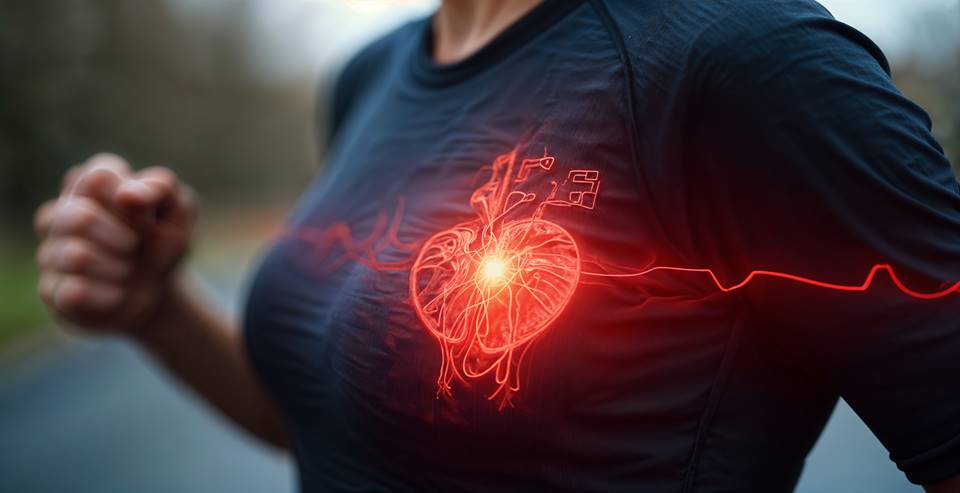
1. Can Broccoli Support Heart Health?
Heart disease remains the leading cause of death worldwide, making dietary strategies increasingly important for cardiovascular prevention. Broccoli contributes to heart health through several complementary mechanisms.
Its high fiber content helps lower low-density lipoprotein (LDL) cholesterol by binding bile acids in the digestive tract, thereby reducing cholesterol absorption. Furthermore, broccoli contains potassium, which supports healthy blood pressure by balancing sodium levels and promoting vascular relaxation.
Sulforaphane, one of broccoli’s most extensively studied phytochemicals, activates the nuclear factor erythroid 2-related factor 2 (Nrf2) pathway. Activation of Nrf2 increases endogenous antioxidant enzymes, reducing oxidative stress and inflammation within blood vessels two major contributors to atherosclerosis (3).
A comprehensive meta-analysis involving over two million participants found that higher consumption of cruciferous vegetables was associated with a significantly lower risk of cardiovascular disease and cardiovascular mortality (1). These benefits are believed to result from improvements in endothelial function, reduced systemic inflammation, and better lipid metabolism.
Therefore, while broccoli alone cannot prevent heart disease, regular intake as part of a Mediterranean-style or plant-rich diet can meaningfully contribute to cardiovascular health.

2. Broccoli and Cancer: What Does Science Say?
Perhaps the most widely discussed benefit of broccoli relates to cancer prevention. Scientific interest primarily centers on glucoraphanin, a precursor that is converted into sulforaphane when broccoli is chopped or chewed.
Sulforaphane influences multiple biological pathways involved in carcinogenesis. Experimental studies demonstrate that it enhances detoxification enzymes, neutralizes free radicals, suppresses inflammation, induces apoptosis (programmed cell death) in abnormal cells, inhibits tumor growth, and reduces angiogenesis.
Clinical and epidemiological studies have associated greater intake of cruciferous vegetables with lower risks of colorectal, prostate, lung, breast, bladder, and stomach cancers. Although observational evidence is promising, randomized clinical trials indicate that broccoli should be viewed as a supportive dietary component rather than a standalone cancer-preventive treatment (4; 2).
Several human intervention studies have also shown that broccoli sprout extracts rich in sulforaphane improve detoxification of environmental carcinogens and enhance antioxidant defenses, providing biological plausibility for cancer risk reduction.
Overall, current evidence supports broccoli as an important component of an anti-cancer dietary pattern rather than a miracle cure.

3. Does Broccoli Help With Digestion and Gut Health?
A healthy digestive system depends heavily on adequate dietary fiber and a diverse gut microbiome. Broccoli provides both soluble and insoluble fiber that support regular bowel movements while serving as prebiotics for beneficial intestinal bacteria.
Gut microbes ferment broccoli fiber into short-chain fatty acids (SCFAs), particularly butyrate, acetate, and propionate. These metabolites nourish colon cells, strengthen intestinal barrier integrity, reduce inflammation, and improve immune regulation.
Additionally, sulforaphane possesses antimicrobial properties and may help reduce harmful bacterial colonization while supporting microbial diversity. Animal and preliminary human studies suggest broccoli consumption may improve gut barrier function and decrease gastrointestinal inflammation. Vitamin C and numerous antioxidants present in broccoli further protect intestinal tissues against oxidative damage, potentially benefiting individuals with mild digestive discomfort.
Therefore, incorporating broccoli into a fiber-rich diet may promote healthier digestion and improved gut microbial balance.

4. Can Broccoli Help With Weight Management?
Weight management depends primarily on overall calorie balance, physical activity, and dietary quality. Broccoli supports healthy weight control because it is naturally low in calories while providing substantial fiber and water content.
One cup of cooked broccoli contains approximately 55 calories but provides considerable dietary fiber that promotes satiety. Increased fullness may reduce overall calorie intake throughout the day.
Broccoli also has a relatively low glycemic load, contributing to more stable blood glucose and insulin responses after meals. Stable blood sugar may reduce hunger and help prevent overeating. Some laboratory studies suggest sulforaphane may improve mitochondrial function, reduce adipose tissue inflammation, and enhance insulin sensitivity. Although these findings are promising, larger human clinical trials are still needed before confirming direct weight-loss effects.
Current evidence indicates that broccoli supports weight management primarily by improving dietary quality and increasing satiety rather than directly burning body fat.
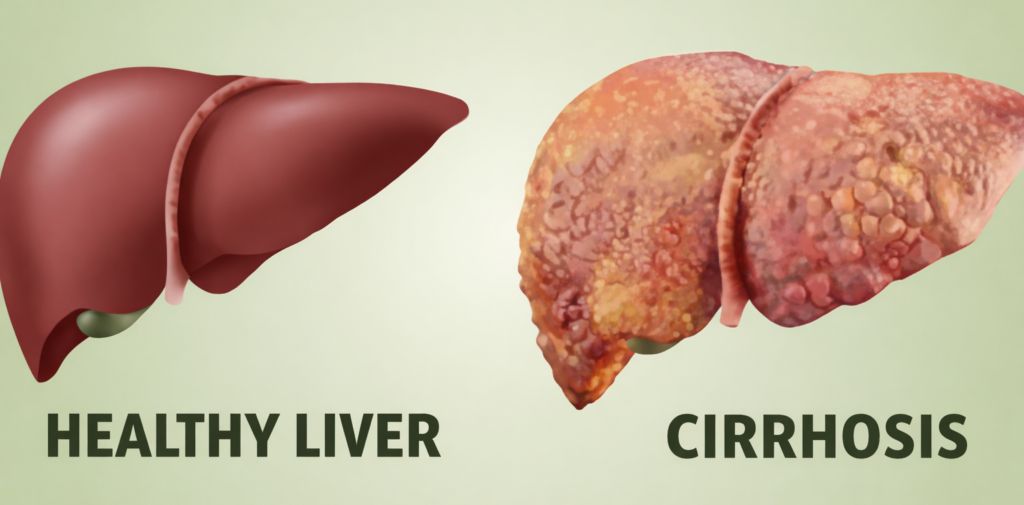
5. Does Broccoli Support Liver Detoxification?
The liver continuously detoxifies medications, pollutants, metabolic waste products, and environmental chemicals. Broccoli contains compounds that naturally support these detoxification processes.
Sulforaphane stimulates Phase II detoxification enzymes, including glutathione S-transferases (GSTs), quinone reductase, and UDP-glucuronosyltransferases. These enzymes enhance the elimination of potentially harmful compounds while protecting liver cells from oxidative stress. Broccoli also increases endogenous glutathione production, one of the body’s most important antioxidants involved in hepatic detoxification.
Several clinical studies demonstrate that broccoli sprout beverages enhance urinary excretion of airborne pollutants and environmental toxins, suggesting improved detoxification capacity in humans (5).
Importantly, the concept of “detox diets” lacks scientific support. Rather than cleansing the liver, broccoli simply supplies nutrients and phytochemicals that assist the liver’s normal physiological detoxification pathways.
Who Should Be Careful With Broccoli?
Although broccoli is safe for most individuals, certain people should consume it with caution.
Individuals taking anticoagulant medications such as warfarin should maintain a consistent intake of vitamin K-rich foods, including broccoli, because sudden changes may interfere with medication effectiveness.
People with hypothyroidism do not generally need to avoid broccoli; however, consuming extremely large quantities of raw cruciferous vegetables may theoretically interfere with iodine utilization due to naturally occurring goitrogens. Cooking substantially reduces this effect.
Some individuals with irritable bowel syndrome (IBS) or sensitive digestion may experience bloating or gas because broccoli contains fermentable carbohydrates (FODMAPs). Cooking broccoli thoroughly and eating smaller portions often improves tolerance. People with chronic kidney disease requiring potassium restriction should consult healthcare professionals regarding appropriate serving sizes.
Conclusion
Broccoli is not a miracle food capable of preventing or curing disease on its own, but scientific evidence clearly supports its reputation as one of the healthiest vegetables available. Rich in vitamins, minerals, fiber, and bioactive compounds such as sulforaphane, broccoli contributes to heart health, supports normal detoxification, promotes digestive wellness, assists healthy weight management, and may help reduce the risk of certain cancers when consumed regularly as part of a balanced diet.
References
- Aune D, Giovannucci E, Boffetta P, et al. Fruit and vegetable intake and the risk of cardiovascular disease, total cancer, and all-cause mortality: A systematic review and dose-response meta-analysis. International Journal of Epidemiology. 2017;46(3):1029-1056.
- Higdon JV, Delage B, Williams DE, Dashwood RH. Cruciferous vegetables and human cancer risk: Epidemiologic evidence and mechanistic basis. Pharmacological Research. 2019;149:104-122.
- Egner PA, Chen JG, Wang JB, et al. Bioavailability of sulforaphane from broccoli sprout beverages and enhanced detoxification of airborne pollutants. Cancer Prevention Research. 2014;7(8):813-823.
- Zhang Y, Talalay P, Cho CG, Posner GH. A major inducer of anticarcinogenic protective enzymes from broccoli: Isolation and elucidation of structure. Proceedings of the National Academy of Sciences (PNAS). 1992;89(6):2399-2403.
- Verhoeven DTH, Goldbohm RA, van Poppel G, Verhagen H, van den Brandt PA. Epidemiological studies on brassica vegetables and cancer risk. Cancer Epidemiology, Biomarkers & Prevention. 1996;5(9):733-748.