
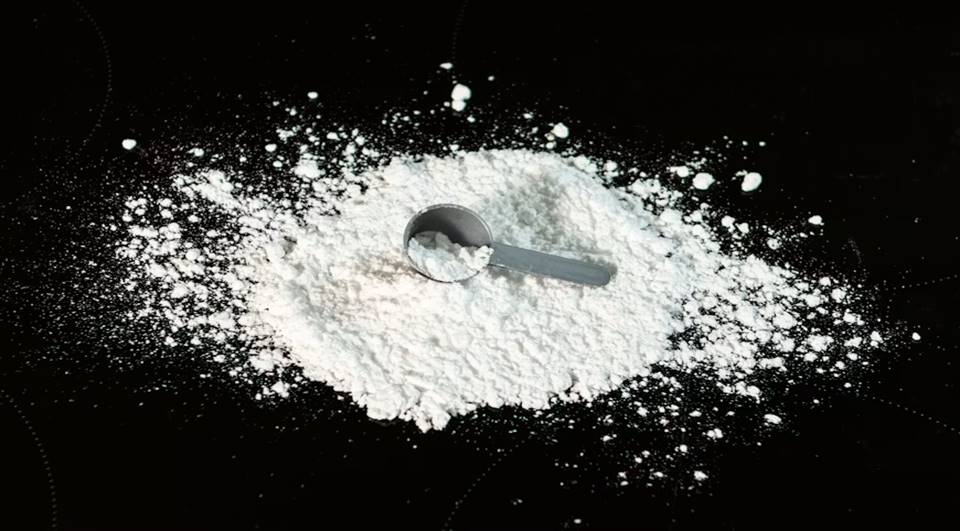
Sodium benzoate (E211/INS211) is one of the most widely used food preservatives worldwide. It helps prevent the growth of bacteria, yeast, and molds in acidic foods and beverages, thereby extending shelf life and reducing food spoilage.
It is commonly found in carbonated soft drinks, fruit juices, sauces, pickles, jams, salad dressings, and several pharmaceutical syrups. Although sodium benzoate has been approved for use by major regulatory agencies, including the European Food Safety Authority (EFSA), the U.S. Food and Drug Administration (FDA), and the Joint FAO/WHO Expert Committee on Food Additives (JECFA), Europe applies particularly strict regulations to its use. These regulations are designed to minimize potential health risks while allowing manufacturers to benefit from its preservative properties.
Why Europe Strictly Regulates Sodium Benzoate
The European Union follows a precautionary approach toward food additives. Rather than banning sodium benzoate, European authorities establish strict maximum permitted levels based on comprehensive toxicological evaluations and continuous monitoring of scientific evidence.
According to the European Food Safety Authority (EFSA), sodium benzoate is considered safe when consumed within the established Acceptable Daily Intake (ADI) of 0-5 mg/kg body weight per day, expressed as benzoic acid equivalents (EFSA, 2016). This limit is based on extensive animal studies, human exposure assessments, and toxicological evaluations that aim to protect even vulnerable populations such as children and pregnant women.
European regulations also require manufacturers to clearly declare sodium benzoate on ingredient labels as either Sodium Benzoate or E211, allowing consumers to identify products containing the preservative.
Health Concerns Associated with Sodium Benzoate
Although sodium benzoate is considered safe within recommended limits, several scientific studies have identified potential concerns under specific conditions. Most of these findings relate to excessive exposure, laboratory experiments, or interactions with other ingredients rather than normal dietary intake.

1. Formation of Benzene with Vitamin C
The most well-known concern surrounding sodium benzoate involves its ability to form benzene, a known human carcinogen, under certain conditions.
Research published studies demonstrated that when sodium benzoate is combined with ascorbic acid (vitamin C) in beverages, especially in the presence of heat, light, or metal ions such as copper and iron, small amounts of benzene may form.
Because of this possibility, European regulations require beverage manufacturers to carefully control product formulation, storage conditions, and manufacturing processes to minimize benzene formation. Modern beverage production includes strict quality controls, antioxidant stabilizers, and routine benzene testing to ensure consumer safety.
The World Health Organization (WHO) and regulatory agencies emphasize that commercially available beverages generally contain benzene levels well below established safety thresholds when manufactured according to good practices.

2. Possible Allergic Reactions
Although uncommon, sodium benzoate may trigger adverse reactions in sensitive individuals. Clinical reports have shown associations between sodium benzoate consumption and symptoms such as:
- Skin rashes
- Urticaria (hives)
- Mild asthma exacerbations
- Nasal irritation
- Itching
For most healthy adults, sodium benzoate does not produce allergic reactions at normal dietary levels. Nevertheless, European labeling requirements enable sensitive individuals to identify and avoid products containing this preservative.

3. Children’s Health
One reason sodium benzoate receives considerable attention is its possible relationship with children’s behavior.
A landmark randomized controlled trial conducted by McCann et al. (2007) and published in The Lancet investigated mixtures of artificial food colors combined with sodium benzoate. The researchers observed small increases in hyperactive behavior among some children consuming these additive mixtures.
Importantly, the study did not conclude that sodium benzoate alone causes attention deficit hyperactivity disorder (ADHD). Instead, it suggested that combinations of certain synthetic food colors and sodium benzoate may influence behavior in susceptible children.
Following these findings, European authorities required warning labels for several artificial food color combinations while continuing to monitor scientific evidence regarding preservative safety. Parents of children with behavioral sensitivities may consider reducing highly processed foods containing multiple additives rather than focusing solely on sodium benzoate.

4. Oxidative Stress and Cellular Studies
Several laboratory studies have suggested that high concentrations of sodium benzoate may induce oxidative stress, DNA damage, or changes in cellular function.
For example, experimental research demonstrated chromosomal abnormalities in cultured cells exposed to relatively high concentrations of sodium benzoate. Other laboratory investigations have reported increased oxidative stress markers under experimental conditions (Himanshu Gaur, 2018).
However, these findings should be interpreted cautiously. Most cellular studies use concentrations significantly higher than those typically achieved through normal dietary intake. Human clinical evidence demonstrating harmful effects at approved food levels remains limited.
The European Food Safety Authority has carefully reviewed these experimental studies and concluded that current evidence does not justify banning sodium benzoate when exposure remains within the established ADI.
How Europe Differs from Other Countries
Europe’s approach to sodium benzoate differs mainly in the level of regulatory oversight rather than in concluding that the preservative is inherently unsafe.
The European Union continuously updates food additive regulations based on emerging scientific evidence and requires periodic reassessment of approved substances. EFSA performs comprehensive exposure assessments using food consumption data from different age groups, ensuring that cumulative intake remains below safety thresholds.
In comparison, the U.S. Food and Drug Administration (FDA) also permits sodium benzoate in foods but regulates its use under Good Manufacturing Practices, limiting concentrations to levels necessary for preservation.
Europe also enforces stringent manufacturing standards aimed at preventing benzene formation, particularly in beverages containing vitamin C. Routine quality testing, ingredient compatibility assessments, and mandatory labeling contribute to greater consumer transparency.
This precautionary regulatory framework reflects Europe’s broader philosophy of minimizing preventable risks while maintaining access to safe food preservatives that have demonstrated practical benefits in reducing foodborne spoilage and waste.
| Region | Regulatory Approach | Labeling | Monitoring |
| European Union | Strict | Mandatory | High |
| United States | Permitted | Ingredient declaration | FDA oversight |
| United Kingdom | Similar to EU | Mandatory | High |
| Australia & New Zealand | Regulated | Mandatory | Moderate |
| India | Regulated under FSSAI | Mandatory | Regular compliance |
The Bottom Line
Sodium benzoate is generally safe when consumed within established regulatory limits, according to scientific research. However, Europe applies particularly strict regulations because of concerns related to benzene formation under certain conditions, potential allergic reactions in susceptible individuals, possible behavioral effects when combined with certain artificial food colors, and findings from laboratory studies investigating oxidative stress.