

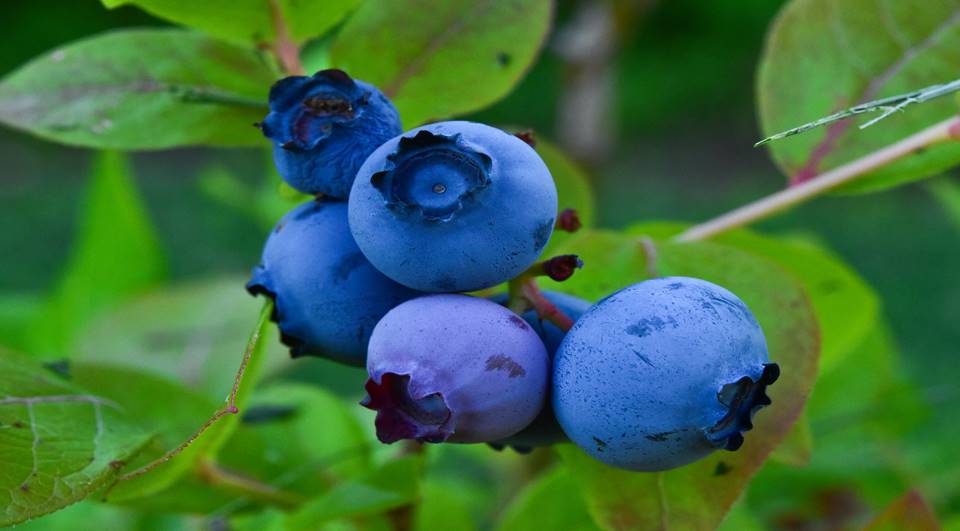
Blueberries are small, nutrient-rich fruits belonging to the Vaccinium genus and are particularly known for their deep blue-purple color, which comes largely from anthocyanins. These compounds are a type of flavonoid with antioxidant and other biological activities.
Blueberries also provide dietary fiber, vitamin C, vitamin K, manganese and other plant compounds while being relatively low in calories. Importantly, although laboratory and observational research has suggested several health benefits, human clinical evidence is more variable. Therefore, blueberries should be considered part of a healthy dietary pattern rather than a treatment for disease.
Nutritional Values of Blueberries
According to USDA-derived food composition data, 100 g of raw blueberries provides approximately 57 kcal, 14.5-14.6 g of carbohydrate, 0.7 g of protein, 0.3 g of fat and 2.4 g of dietary fiber. They also contain approximately 8-10 mg of vitamin C, about 19 µg of vitamin K, and around 0.3-0.4 mg of manganese per 100 g, although values can vary with variety, growing conditions and database methodology.
| Nutrient | Amount per 100 g of Raw Blueberries |
| Energy | ~57 kcal |
| Carbohydrates | ~14.5 g |
| Dietary Fiber | ~2.4 g |
| Sugars | ~10 g |
| Protein | ~0.7 g |
| Total Fat | ~0.3 g |
| Vitamin C | ~9.7 mg |
| Vitamin K | ~19.3 µg |
| Manganese | ~0.34 mg |
| Potassium | ~77 mg |
| Magnesium | ~6 mg |
| Calcium | ~6 mg |
| Iron | ~0.28 mg |
| Folate | ~6 µg |
| Water | ~84 g |
Values are approximate and can vary according to blueberry variety, growing conditions, maturity, storage and food-composition database.
The nutritional value of blueberries is not limited to conventional vitamins and minerals. Their anthocyanins and other polyphenols are of particular scientific interest. These compounds may influence vascular function, oxidative processes, cellular signaling and other physiological pathways. However, the concentration of bioactive compounds can differ considerably according to blueberry variety, processing, storage and serving form.

Top 5 Health Benefits of Blueberries
1. May Support Cardiovascular and Vascular Health
One of the better-supported areas of blueberry research is vascular function. Anthocyanins and other blueberry polyphenols may influence endothelial function, which is important for healthy blood-vessel activity. Research studies found that blueberry consumption was associated with improvements in several measures of vascular function, although results for inflammation, oxidative stress and cardiometabolic markers were inconsistent [1].
More recently, randomized controlled trials involving 632 healthy participants found that blueberry interventions significantly improved flow-mediated dilation, a commonly used marker of endothelial function. However, the analysis did not find significant reductions in systolic or diastolic blood pressure. This distinction is important: blueberries may support vascular function, but current evidence does not justify claiming that they directly lower blood pressure [2].

2. May Support Brain and Cognitive Function
Blueberries are frequently studied for their potential effects on memory and cognitive performance because anthocyanins may influence vascular function and biological pathways involved in brain health. A randomized controlled trials reported potential improvements in certain cognitive outcomes following blueberry interventions, particularly memory-related measures, but also emphasized variation between studies [3].
Research specifically examining anthocyanins has also reported positive effects on some cognitive domains, including memory, although findings are not completely consistent. A systematic review found overall positive effects on verbal and working memory but reported inconsistent results for blood pressure and endothelial-function outcomes [4].
Consequently, it is more accurate to say that regular blueberry consumption may support aspects of cognitive health rather than claiming that blueberries prevent dementia or Alzheimer’s disease.

3. May Support Healthy Metabolic Function
Blueberries are relatively low in calories and provide dietary fiber, making them a useful fruit choice within a balanced diet. Their anthocyanins have also been investigated for potential effects on glucose and lipid metabolism.
Interestingly, a randomized crossover study involving 24 healthy adults found dose-dependent reductions in post-meal glucose and insulin responses with wild-blueberry anthocyanin doses of 300 mg or higher. However, the study was small and acute, so these findings should not be interpreted as evidence that blueberries treat diabetes [3].
4. Antioxidant Support
Blueberries are a concentrated dietary source of anthocyanins and other polyphenols. These compounds can interact with oxidative and inflammatory pathways, which is one proposed explanation for some of the biological effects observed in experimental research [5].
The systematic review which included 45 human intervention studies concluded that evidence for improvements in oxidative-stress and inflammatory markers were inconsistent. Differences in study duration, blueberry dose, participant characteristics and biomarkers likely contributed to these variations [1].
Thus, blueberries can reasonably be described as a polyphenol-rich food, but broad claims such as “detoxifies the body” or “eliminates inflammation” are not supported by sufficiently consistent clinical evidence.
5. Supports a Nutrient-Dense, High-Fiber Diet
Blueberries can contribute to overall diet quality because they provide fiber and micronutrients without a large calorie load. Their approximately 2.4 g of fiber per 100 g can contribute to daily fiber intake, while vitamin C, vitamin K and manganese add to their nutritional value.
Replacing highly processed desserts or sugar-rich snacks with whole blueberries may therefore be a practical dietary strategy. However, blueberries should be consumed as part of an overall diet containing vegetables, whole grains, legumes, nuts, seeds and other fruits rather than viewed as a standalone health intervention.
Bottom Line
Blueberries are a nutrient-dense fruit containing fiber, vitamins, minerals and biologically active polyphenols, particularly anthocyanins. Clinical research provides the strongest evidence for potential benefits related to vascular function, while evidence for cognitive and metabolic benefits is promising.
References
- Riso P, et al. Blueberries and their bioactives in the modulation of oxidative stress, inflammation and cardio/vascular function markers: a systematic review of human intervention studies. Journal of Nutritional Biochemistry. 2022;109154.
- He Y, Yang J, Zhang S, et al. Blueberry consumption enhances vascular function but not cognitive abilities in healthy individuals: a systematic review and meta-analysis. Nutrition Research. 2026;149:162-177.
- Travica N, et al. The effect of blueberry interventions on cognitive performance and mood: A systematic review of randomized controlled trials. Brain, Behavior, and Immunity. 2020;85:96-105.
- Ellis LR, Boesch C, Dye L. Effects of Anthocyanins on Cognition and Vascular Function: A Systematic Review. Molecular Nutrition & Food Research. 2024;68.
- Miraghajani M, et al. Blueberry and cardiovascular disease risk factors: A systematic review and meta-analysis of randomized controlled trials. Complementary Therapies in Medicine. 2020;53:102389.