

Magnesium is an essential mineral that the human body needs for normal muscle and nerve function, energy metabolism, protein synthesis, bone formation, blood glucose regulation and maintenance of normal blood pressure [1]. Because the body cannot produce magnesium, it must be obtained through food or, when appropriate, dietary supplements. Nuts, seeds, legumes, whole grains and green leafy vegetables are among the best dietary sources of magnesium [1,2].
A diet containing a variety of magnesium-rich foods can help adults and children meet their daily nutritional requirements. Below are 10 excellent natural food sources of magnesium, presented approximately according to their magnesium concentration per 100 g. Actual values can vary depending on variety, growing conditions, processing and cooking method [3].
1. Pumpkin Seeds
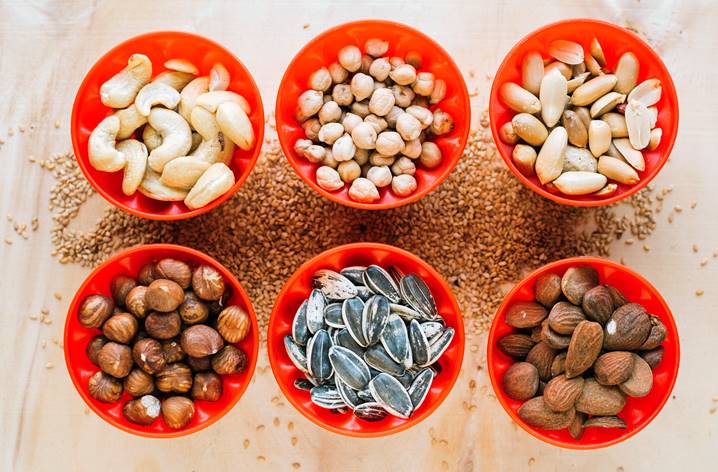
Pumpkin seeds are among the richest natural food sources of magnesium. Approximately 100 g of pumpkin seeds can provide around 500 mg or more of magnesium, although the exact value depends on the specific USDA food entry and whether the seeds are roasted or raw [3]. Pumpkin seeds also provide protein, unsaturated fatty acids, zinc, iron and other nutrients. A practical serving of approximately 28-30 g can provide a substantial amount of magnesium without requiring a large quantity of food.

2. Chia Seeds
Chia seeds are another concentrated plant source of magnesium, providing approximately 330-335 mg per 100 g [3]. They are also rich in dietary fiber and alpha-linolenic acid (ALA), a plant-based omega-3 fatty acid. Adding chia seeds to oatmeal, yogurt, smoothies or other foods can therefore increase both magnesium and fiber intake.
3. Dark Chocolate
Dark chocolate, particularly chocolate with a high percentage of cocoa solids, contains approximately 200-230 mg of magnesium per 100 g, depending on the product [3]. Cocoa is naturally rich in magnesium and other plant compounds. However, dark chocolate can also be high in calories and saturated fat, while some products contain considerable added sugar. Therefore, it is better consumed in moderate portions rather than as the primary source of magnesium.

4. Brazil Nuts
Brazil nuts contain approximately 350-380 mg of magnesium per 100 g [3]. They are also particularly well known for their high selenium content. Selenium is an essential trace element involved in antioxidant defense and thyroid hormone metabolism. Because Brazil nuts can contain very high amounts of selenium, moderation is important rather than consuming large quantities regularly.
5. Almonds
Almonds provide approximately 270 mg of magnesium per 100 g [3]. They are also a source of vitamin E, protein, fiber and predominantly unsaturated fats. A small handful of almonds can be incorporated into a balanced diet as a convenient snack and can contribute meaningfully to daily magnesium intake.
6. Cashews
Cashews contain approximately 290 mg of magnesium per 100 g [3]. They provide magnesium together with protein, copper, unsaturated fatty acids and other micronutrients. Cashews can be eaten as a snack or added to meals, although portion control is useful because nuts are energy-dense foods.
7. Quinoa
Uncooked quinoa contains approximately 190-200 mg of magnesium per 100 g [3]. Quinoa is also a source of protein, dietary fiber, iron and other minerals. Because quinoa absorbs water during cooking, the magnesium concentration per 100 g of cooked quinoa is considerably lower than that of uncooked quinoa. Nevertheless, cooked quinoa remains a nutrient-dense addition to a balanced diet.

8. Black Beans
Dry black beans provide approximately 170 mg of magnesium per 100 g [3]. Beans are particularly valuable because they combine magnesium with plant protein, dietary fiber, folate, potassium and other nutrients. Cooking increases the water content and therefore reduces the magnesium concentration when expressed per 100 g of cooked food. Regular consumption of legumes can nevertheless contribute significantly to overall magnesium intake [1].
9. Spinach
Cooked spinach provides approximately 80-90 mg of magnesium per 100 g, depending on preparation [3]. Spinach is also an excellent source of folate, vitamin K and carotenoid compounds. Green leafy vegetables are specifically recognized by the NIH Office of Dietary Supplements as useful dietary sources of magnesium [1].
10. Avocado
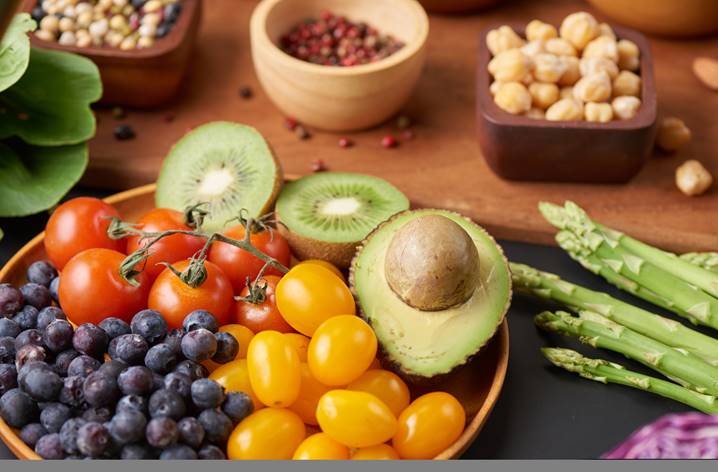
Avocado provides approximately 25-30 mg of magnesium per 100 g [3]. Although its magnesium concentration is lower than that of seeds, nuts and legumes, avocado provides dietary fiber, potassium and predominantly monounsaturated fat. Its overall nutritional profile makes it a valuable component of a balanced diet.
It is important to note that ranking foods solely by magnesium per 100 g does not necessarily indicate the best practical food choice. Serving size, energy density, overall nutrient profile and usual consumption patterns should also be considered. USDA FoodData Central provides detailed nutrient composition data for individual foods and food products [3].
Health Benefits of Magnesium
Magnesium is involved in more than 600 enzyme systems and plays an important role in numerous physiological processes [2]. One of its major functions is supporting normal muscle and nerve function. Magnesium participates in neuromuscular signaling and helps regulate normal muscle contraction and relaxation [1,2].
Magnesium also contributes to energy metabolism because it is involved in reactions required for the production and utilization of cellular energy. It is necessary for the synthesis of proteins, DNA and RNA and contributes to normal cellular function [1,2].
Another important role of magnesium is bone health. Magnesium contributes to the structural development of bone and participates in mineral metabolism. Adequate magnesium intake is therefore part of an overall nutrient pattern important for maintaining healthy bones [2].
Magnesium is also involved in normal blood glucose regulation and blood pressure regulation [1,2]. However, this does not mean that magnesium-rich foods or magnesium supplements should be considered a treatment for diabetes or hypertension. Adequate magnesium should instead be viewed as one component of an overall healthy dietary pattern.
Recommended Dietary Allowance of Magnesium
Magnesium requirements vary according to age and sex. The U.S. National Institutes of Health Office of Dietary Supplements reports the following recommended amounts [1]:
| Age group | Recommended magnesium intake |
| Children 1-3 years | 80 mg/day |
| Children 4-8 years | 130 mg/day |
| Children 9-13 years | 240 mg/day |
| Teen boys 14-18 years | 410 mg/day |
| Teen girls 14-18 years | 360 mg/day |
| Adult men | 420-440 mg/day |
| Adult women | 310-370 mg/day |
The RDA represents the average daily intake sufficient to meet the nutrient requirements of nearly all healthy individuals in a particular age and sex group [4].
During pregnancy, magnesium requirements are somewhat higher. Always consult with healthcare care professionals [5].

Who Needs Magnesium Most?
Most healthy people should be able to obtain adequate magnesium through a varied diet. However, certain groups may be more likely to have inadequate magnesium intake or status. People who consume few nuts, seeds, legumes, whole grains and green vegetables may have lower dietary magnesium intake [1].
Individuals with certain gastrointestinal disorders that impair nutrient absorption may also be at greater risk of magnesium deficiency. Long-term use of some medications can affect magnesium status as well. Older adults may also require particular attention to overall dietary quality and nutrient intake [1,2].
Pregnant women should pay attention to adequate magnesium intake because magnesium is involved in fetal growth and development [5]. However, supplementation during pregnancy should be undertaken only when appropriate and preferably under professional guidance.
Magnesium From Food vs Supplements
Obtaining magnesium from food is generally preferred because magnesium-rich foods provide other important nutrients at the same time. Nuts and seeds, for example, provide healthy fats and protein, while legumes provide fiber, plant protein and folate [1].
Magnesium supplements can be useful when dietary intake is inadequate or when a healthcare professional identifies a specific need. However, higher supplemental intakes can cause diarrhea, nausea and abdominal cramping [1].
Bottom Line
Magnesium is an essential mineral required for normal muscle and nerve function, energy metabolism, protein synthesis, bone health and other important physiological processes [1,2]. Pumpkin seeds, chia seeds, dark chocolate, Brazil nuts, almonds, cashews, quinoa, black beans, spinach and avocado are useful natural sources of magnesium, although their magnesium concentrations vary according to food type and preparation [3].
The best strategy is not to rely on a single magnesium-rich food. Instead, regularly include a variety of nuts, seeds, legumes, whole grains and green leafy vegetables as part of a balanced diet. For individuals with specific medical conditions, gastrointestinal disorders, medication-related risks or suspected magnesium deficiency, professional nutritional or medical advice is appropriate.
References
- National Institutes of Health, Office of Dietary Supplements. Magnesium – Fact Sheet for Consumers. NIH Office of Dietary Supplements. Updated 2024. NIH Magnesium Fact Sheet
- National Institutes of Health, Office of Dietary Supplements. Magnesium – Health Professional Fact Sheet. NIH Office of Dietary Supplements. NIH Magnesium Health Professional Fact Sheet
- U.S. Department of Agriculture, Agricultural Research Service. USDA FoodData Central. Nutrient composition database. USDA FoodData Central
- National Academies of Sciences, Engineering, and Medicine. Dietary Reference Intakes for Calcium, Phosphorus, Magnesium, Vitamin D, and Fluoride. Washington, DC: National Academy Press; 1997.
- National Institutes of Health, Office of Dietary Supplements. Dietary Supplements and Life Stages: Pregnancy – Health Professional Fact Sheet. NIH Office of Dietary Supplements. Available from: NIH Pregnancy and Dietary Supplements Fact Sheet