

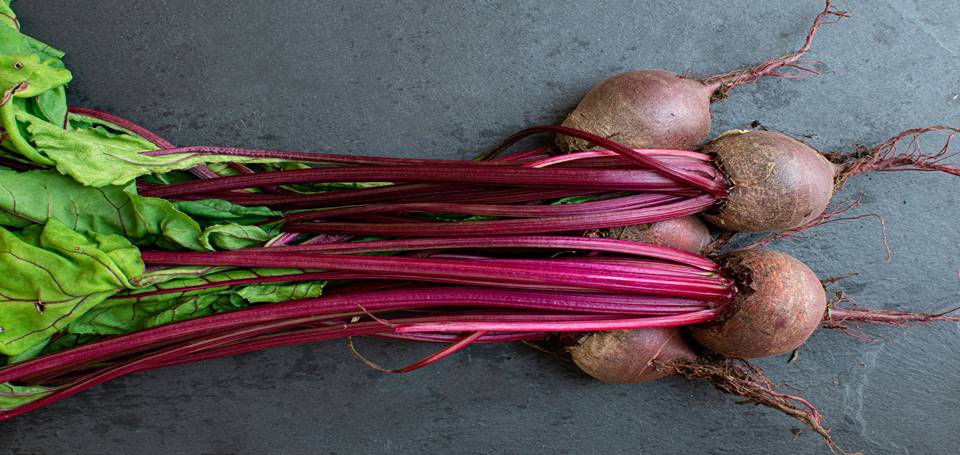
Beetroot (Beta vulgaris) has earned its reputation as a nutritional powerhouse and one of the most researched functional foods in recent years. It is now widely recognized for its ability to support cardiovascular health, improve exercise performance, enhance cognitive function, and combat oxidative stress. Its unique combination of dietary nitrates, betalains, dietary fiber, folate, potassium, vitamin C, manganese, and polyphenols makes it a valuable addition to a healthy diet.
Beetroot is exceptionally rich in naturally occurring inorganic nitrates. Once consumed, these nitrates are converted into nitric oxide, a signaling molecule that relaxes blood vessels, improves circulation, enhances oxygen delivery to tissues, and supports healthy blood pressure. Alongside nitrates, beetroot contains betalains, potent antioxidants responsible for its strong anti-inflammatory and free radical-scavenging properties.
Clinical evidence suggests that regular beetroot consumption may reduce the risk of chronic diseases while promoting overall health and physical performance. Whether consumed as fresh root, juice, powder, or incorporated into meals, beetroot offers scientifically validated health benefits for people of all ages.
Why Beetroot Deserves a Place in Your Daily Diet
Beetroot is a nutrient-dense vegetable providing an excellent source of folate (vitamin B9), potassium, manganese, iron, vitamin C, magnesium, dietary fiber, and bioactive phytochemicals. One cup of cooked beetroot contains approximately 59 calories, nearly 4 grams of fiber, and more than one-third of the recommended daily intake of folate.
Its naturally occurring nitrates improve vascular function by increasing nitric oxide production, while betalains protect cells from oxidative damage. Together, these compounds help maintain cardiovascular function, reduce inflammation, and support metabolic health.
Top Health Benefits of Beetroot
1. Supports Healthy Heart Health
One of the most well-established health benefits of beetroot is its positive impact on cardiovascular health. Dietary nitrates are converted into nitric oxide, which widens blood vessels, enhances endothelial function, and lowers vascular resistance. Improved circulation allows blood to flow more efficiently, reducing strain on the heart.
A systematic review and meta-analysis involving randomized controlled trials found that beetroot juice supplementation significantly reduced systolic blood pressure by approximately 4-5 mmHg in healthy adults and individuals with hypertension (Siervo et al., 2013). Another randomized clinical trial published in Hypertension demonstrated sustained blood pressure reductions following daily dietary nitrate supplementation in hypertensive patients (Kapil et al., 2015).
Regular consumption of beetroot may therefore contribute to lowering cardiovascular disease risk when combined with a healthy lifestyle.

2. Enhances Physical Endurance
Beetroot has become one of the most popular natural ergogenic foods among athletes and fitness enthusiasts. Increased nitric oxide production improves oxygen utilization, enhances mitochondrial efficiency, and delays muscle fatigue during physical activity.
Clinical studies have shown that consuming beetroot juice before exercise improves endurance, increases time-to-exhaustion, and enhances performance in cycling, running, rowing, and other aerobic sports (Jones, 2014). Research published in Sports Medicine concluded that dietary nitrate supplementation consistently improves exercise economy, allowing muscles to perform the same work using less oxygen.
These benefits are especially valuable for endurance athletes and physically active individuals.

3. Protects Brain Function and Supports Healthy Aging
Healthy cerebral blood flow is essential for memory, attention, and cognitive performance. Nitric oxide produced from dietary nitrates improves blood flow not only to muscles but also to the brain.
A clinical study by Presley et al. (2011) demonstrated that older adults consuming nitrate-rich beetroot juice experienced increased blood flow to regions of the brain involved in executive function. Improved cerebral perfusion may help preserve cognitive abilities during aging and potentially reduce the risk of age-related cognitive decline.
Although more long-term studies are required, current evidence suggests beetroot may support healthy brain aging.

4. Goodness of Antioxidants
Beetroot contains unique antioxidants known as betalains, including betanin and vulgaxanthin, which exhibit strong antioxidant and anti-inflammatory activities. These compounds help neutralize reactive oxygen species and reduce cellular damage caused by oxidative stress.
Chronic inflammation contributes to conditions such as cardiovascular disease, obesity, diabetes, arthritis, and neurodegenerative disorders. Experimental and clinical studies have shown that betalains suppress inflammatory pathways and decrease oxidative stress markers (Clifford et al., 2015).
Regular intake of antioxidant-rich foods like beetroot may therefore help protect against chronic inflammatory diseases.
5. Supports Liver Health
Beetroot contains betaine, a naturally occurring methyl donor that supports liver metabolism and fat processing. Betaine assists in maintaining healthy liver cells and contributes to normal methylation reactions essential for detoxification.
Animal and laboratory studies indicate that beetroot may protect the liver from oxidative injury and reduce fat accumulation. Although human clinical evidence remains limited, dietary beetroot is considered a supportive food for maintaining healthy liver function when combined with balanced nutrition.

6. Promotes Healthy Digestion
The dietary fiber found in beetroot supports digestive health by promoting regular bowel movements, preventing constipation, and nourishing beneficial gut bacteria. A healthy gut microbiome contributes to improved immunity, nutrient absorption, and metabolic regulation.
Additionally, beetroot polyphenols may positively influence intestinal microbial diversity, although further human studies are still underway.
7. Helps Maintain Healthy Blood Formation
Beetroot is naturally rich in folate, an essential nutrient required for DNA synthesis and red blood cell production. Adequate folate intake is particularly important during pregnancy and for preventing megaloblastic anemia.
Although beetroot contains only moderate amounts of iron, it complements iron-rich foods and contributes to maintaining healthy blood cell formation as part of a balanced diet.
8. May Support Healthy Metabolism
Despite its mildly sweet taste, beetroot has a moderate glycemic index and contains dietary fiber that slows carbohydrate absorption. Preliminary research suggests that betalains and polyphenols may improve insulin sensitivity while reducing oxidative stress associated with metabolic syndrome.
Although additional large-scale human trials are needed, beetroot appears to support overall metabolic health when included in a healthy dietary pattern.
Best Ways to Include Beetroot in Your Diet
Beetroot is highly versatile and can easily be incorporated into everyday meals. Fresh beetroot may be roasted, steamed, boiled, or grated into salads. Beetroot juice is widely used before exercise to improve endurance, while beetroot powder can be added to smoothies, soups, and nutritional shakes. Fermented beetroot preparations provide additional probiotic benefits.
Clinical studies investigating exercise performance generally use approximately 250–500 mL of beetroot juice providing 300-600 mg of dietary nitrate consumed two to three hours before physical activity.
Bottom Line
Beetroot is a clinically supported functional food offering numerous health benefits. Regular consumption as part of a balanced diet may contribute to improved overall health and reduced risk of chronic disease. While beetroot is generally safe for most individuals, those taking blood pressure medications or prone to kidney stones should consult a healthcare professional before consuming large amounts of beetroot juice or supplements.