

Key Points
- Daily curcumin supplements may help reduce inflammation, support joint health, and improve overall wellness.
- Curcumin provides powerful antioxidant protection that may benefit heart, brain, immune, and skin health.
- Taking curcumin with food and black pepper extract (piperine) can significantly improve absorption and effectiveness.
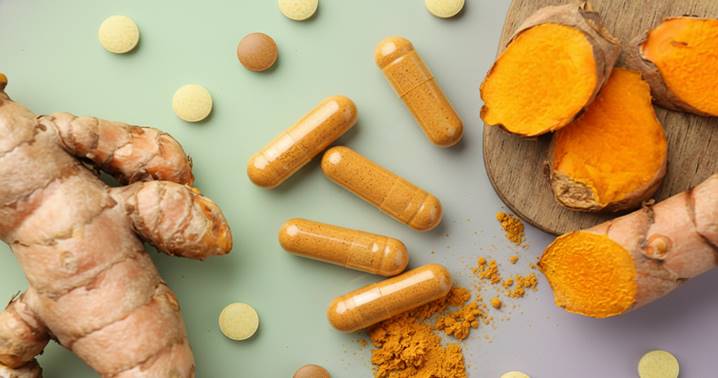
Curcumin, the active compound found in turmeric, has gained worldwide attention for its powerful anti-inflammatory and antioxidant properties. Used for centuries in traditional Ayurvedic and herbal medicine, curcumin supplements are now supported by modern clinical research for their potential role in supporting overall health and wellness.
Daily curcumin supplementation may help improve inflammation, joint health, immunity, digestion, heart health, brain function, and recovery from oxidative stress. However, consistent use, proper dosage, and absorption are important factors in achieving optimal results.
One challenge with curcumin is its poor natural absorption in the body. Clinical studies suggest that combining curcumin with black pepper extract (piperine) or consuming it with dietary fats can significantly improve bioavailability and effectiveness.
Daily Curcumin May Reduce Chronic Inflammation
One of the most researched benefits of curcumin is its anti-inflammatory activity. Chronic inflammation is associated with several health conditions, including arthritis, cardiovascular disease, obesity, diabetes, and metabolic disorders.
Curcumin may help regulate inflammatory pathways in the body by influencing inflammatory markers and reducing oxidative stress. Clinical research has shown that regular supplementation may help lower inflammation-related discomfort and support long-term wellness.
People with inflammatory conditions may notice gradual improvements in mobility, comfort, and physical recovery when curcumin is taken consistently over time.
Curcumin Supports Joint and Muscle Health
Daily curcumin supplementation is commonly used for joint support and muscle recovery. Several studies have compared curcumin’s effects to traditional approaches for managing joint discomfort.
Curcumin may help reduce stiffness, swelling, and exercise-related muscle soreness due to its anti-inflammatory properties. Athletes and physically active individuals often use curcumin to support post-workout recovery and reduce oxidative stress caused by intense exercise.
Clinical evidence suggests that curcumin may be beneficial for people experiencing age-related joint discomfort and reduced mobility.
Antioxidant Protection Against Oxidative Stress
Oxidative stress occurs when harmful free radicals damage cells and tissues in the body. Over time, this damage may contribute to premature aging and chronic disease development.
Curcumin acts as a powerful antioxidant that may help neutralize free radicals and support the body’s natural antioxidant defenses. Research suggests that daily curcumin intake may protect cells from oxidative damage and support healthy aging.
This antioxidant activity may also contribute to improved skin health, cellular protection, and immune resilience.
Curcumin and Brain Health
Emerging clinical research indicates that curcumin may support cognitive function and brain health. Curcumin may influence neurotransmitter activity and support healthy blood flow to the brain.
Some studies suggest that curcumin may help support memory, concentration, mood balance, and mental clarity. Its antioxidant and anti-inflammatory properties may also help protect brain cells from age-related oxidative stress.
Researchers are continuing to explore curcumin’s potential role in supporting neurological wellness and healthy aging.
Daily Curcumin May Support Heart Health
Heart health is another area where curcumin has shown promising potential. Chronic inflammation and oxidative stress are major contributors to cardiovascular issues.
Curcumin may help support healthy blood vessel function, circulation, and cholesterol balance. Some research indicates that curcumin may improve endothelial function, which plays an important role in maintaining healthy blood flow and vascular flexibility.
Regular supplementation, combined with a healthy lifestyle, may contribute to overall cardiovascular wellness.
Benefits for Digestive Health
Curcumin has traditionally been used to support digestion and gastrointestinal comfort. Daily supplementation may help maintain digestive balance by supporting healthy inflammatory responses in the gut.
Some individuals use curcumin supplements to help manage occasional bloating, digestive discomfort, and gut irritation. Curcumin may also stimulate bile production, which supports fat digestion and nutrient absorption.
Its antioxidant properties may further support gut lining health and digestive function.
Immune System Support
Curcumin may help strengthen immune health through its antioxidant and anti-inflammatory effects. A balanced immune response is essential for protecting the body against environmental stressors and maintaining overall wellness.
Clinical studies suggest that curcumin may help regulate immune cell activity and support the body’s natural defense mechanisms. Daily intake may be particularly beneficial during periods of physical stress, seasonal changes, or increased oxidative burden.
Curcumin May Improve Skin Health
Curcumin’s antioxidant and anti-inflammatory effects may also support healthy skin. Daily supplementation may help reduce oxidative stress that contributes to skin aging, dullness, and environmental damage.
Some studies suggest that curcumin may help maintain skin elasticity, support collagen health, and improve overall skin appearance. It may also support the body’s natural healing response.
Healthy skin benefits are often more noticeable when curcumin supplementation is combined with a balanced diet and healthy lifestyle.
Absorption Matters: How to Take Curcumin Correctly
Curcumin is naturally difficult for the body to absorb, so choosing the right supplement formulation is important.
For better absorption:
- Take curcumin with meals containing healthy fats
- Choose supplements containing black pepper extract (piperine)
- Follow the dosage instructions on the supplement label
- Split doses throughout the day if recommended
Enhanced bioavailability formulations may improve the effectiveness of daily supplementation.
Possible Side Effects of Daily Curcumin Supplements
Curcumin is generally considered safe for most healthy adults when used appropriately. However, excessive intake may cause side effects in some individuals.
Possible side effects include:
- Stomach discomfort
- Nausea
- Loose stools
- Acid reflux
- Headache
- Allergic reactions in sensitive individuals
High doses may also interact with certain medications, including blood thinners and diabetes medications.
Who Should Use Caution With Curcumin?
Although curcumin is widely used, some individuals should consult a healthcare professional before taking supplements regularly.
Use caution if you:
- Are pregnant or breastfeeding
- Have gallbladder disorders
- Take blood-thinning medications
- Have bleeding disorders
- Experience chronic digestive issues
- Are preparing for surgery
Professional guidance is recommended for safe and appropriate use.
Bottom Line
Daily curcumin supplementation may provide a wide range of health benefits, including support for inflammation, joint comfort, brain function, heart health, digestion, immunity, and antioxidant protection. Clinical research continues to highlight curcumin’s potential role in promoting long-term wellness and healthy aging.
However, consistency, proper dosage, and improved absorption are key factors for achieving the best results. Taking curcumin with meals and choosing high-quality formulations may help maximize its effectiveness while minimizing digestive discomfort.
- Written By: Dr. Avinash Singh (Pharmaclogist)
- Medically Reviewed By: Dr. Abu Shahma (Physician)