

Grapes (Vitis vinifera) are a nutrient-rich fruit containing water, natural carbohydrates, dietary fiber, potassium, vitamin K, vitamin C, and several biologically active compounds. Research suggests that these compounds possess antioxidant and anti-inflammatory properties that may be relevant to metabolic dysfunction-associated steatotic liver disease (MASLD), previously known as non-alcoholic fatty liver disease (NAFLD).
Notably, most human studies have investigated concentrated grape products or resveratrol supplements rather than ordinary servings of fresh grapes. Therefore, grapes should be considered a nutritious component of a liver-friendly diet rather than a treatment or “detox” remedy for liver disease.
Nutritional Values of Grapes
Fresh grapes provide approximately 69 kcal per 100 g, with about 18 g of carbohydrate, 15-16 g of naturally occurring sugars, 0.9 g of dietary fiber, 0.7 g of protein, and approximately 0.2 g of fat. They also provide potassium, vitamin K, vitamin C, copper, manganese, and smaller amounts of other micronutrients.
| Nutrient | Approximate amount per 100 g |
| Energy | 69 kcal |
| Carbohydrate | 18.1 g |
| Total sugars | 15.5 g |
| Dietary fiber | 0.9 g |
| Protein | 0.7 g |
| Fat | 0.2 g |
| Potassium | 191 mg |
| Vitamin C | 3.2 mg |
| Vitamin K | 14.6 µg |
| Magnesium | 7 mg |
| Calcium | 10 mg |
| Iron | 0.36 mg |
The nutritional composition varies according to grape variety, maturity, growing conditions, and preparation. Although grapes contain natural sugars, whole grapes also provide water, micronutrients, and plant compounds and can fit into a balanced dietary pattern.

Liver Health Benefits of Grapes
1. Grapes Provide Polyphenols Relevant to Liver Health
Grapes are an important dietary source of several polyphenols, particularly resveratrol and flavonoid compounds. These substances have been investigated because oxidative stress and chronic low-grade inflammation are involved in the development and progression of metabolic liver disease.
Experimental research suggests that resveratrol may influence pathways involved in oxidative stress, inflammation, lipid accumulation, insulin signaling, AMP-activated protein kinase (AMPK), sirtuin-1, and nuclear factor-kappa B (NF-κB). These mechanisms provide a biological rationale for investigating grape-derived compounds in liver health. However, reviews of the clinical literature emphasize that promising laboratory and animal findings have not consistently translated into clinically meaningful benefits in humans.
Therefore, the potential liver-health value of grapes should be viewed primarily in the context of their overall polyphenol-rich nutritional profile rather than as proof that grapes can directly treat liver disease.
2. May Help Protect Against Oxidative Stress
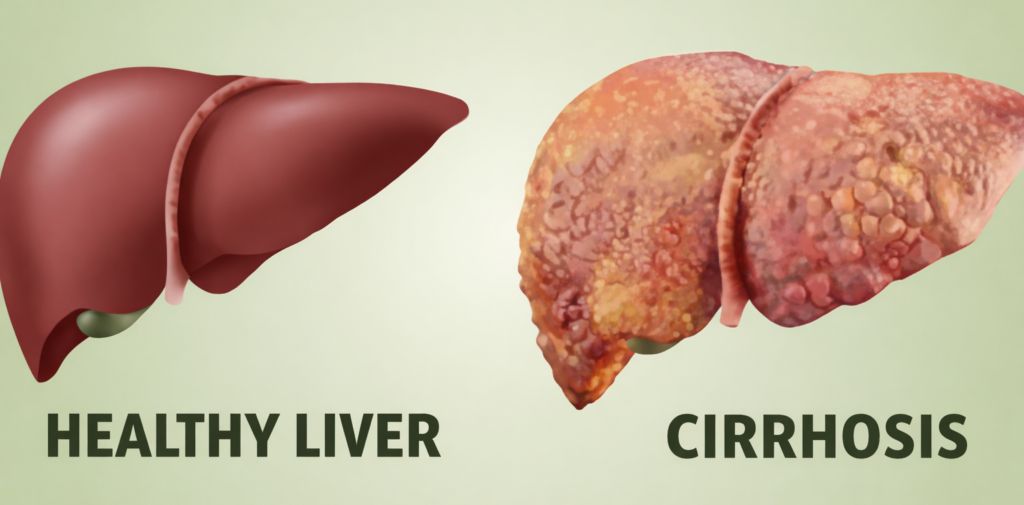
Oxidative stress is an important component of NAFLD progression. Excess lipid accumulation in hepatocytes can increase oxidative stress and contribute to cellular injury and inflammatory signaling.
Grape polyphenols, particularly resveratrol, possess antioxidant activity in experimental models. Research suggests that resveratrol can influence cellular antioxidant and metabolic pathways and may reduce oxidative stress associated with hepatic lipid accumulation.
However, this does not mean that eating grapes has been clinically proven to prevent oxidative liver injury. The concentration of resveratrol in fresh grapes is substantially different from the doses used in many experimental and supplementation studies. Consequently, the evidence supports grapes as a source of potentially beneficial polyphenols but does not justify therapeutic claims for fresh grapes.
3. May Influence Liver Inflammation
Chronic inflammation contributes to progression from simple hepatic steatosis toward more advanced forms of metabolic liver disease. Resveratrol has therefore been studied for its potential anti-inflammatory effects.
Six randomized controlled trials involving patients with NAFLD found that resveratrol supplementation significantly reduced some inflammatory markers, including tumor necrosis factor-alpha (TNF-α) and high-sensitivity C-reactive protein (hs-CRP). However, the same analysis did not demonstrate consistent improvements in ALT, AST, glucose metabolism, lipid parameters, or other clinical markers of NAFLD. The authors concluded that resveratrol may improve some inflammatory markers but does not currently have sufficient evidence to support its use as a treatment for NAFLD.
This distinction is important because these trials used resveratrol supplements, not simply normal dietary servings of grapes.

4. May Support Healthy Liver Enzyme Levels
ALT and AST are commonly used biochemical markers when evaluating liver injury. Researchers have investigated whether grape products can improve these markers.
Eight randomized controlled trials involving 291 adults. Overall, grape products did not significantly reduce ALT or AST. However, subgroup analyses suggested that interventions lasting at least 12 weeks were associated with modest reductions in both enzymes. The authors emphasized that the small number of studies and differences between interventions require cautious interpretation.
This means that grape products may have potential effects on liver enzyme profiles in certain circumstances, but the evidence is not strong enough to claim that eating grapes lowers elevated liver enzymes.
5. May Be Relevant to Fatty Liver Through Metabolic Health
NAFLD is strongly associated with obesity, insulin resistance, dyslipidemia, and excessive energy intake. Improving overall diet quality is therefore an important part of liver-health management.
The 2024 EASL-EASD-EASO clinical practice guideline recommends improving dietary quality in adults with NAFLD, with a dietary pattern similar to the Mediterranean diet. This pattern emphasizes vegetables, fruits, legumes, whole grains, nuts, seeds, fish, and other minimally processed foods while reducing sugar-sweetened beverages, refined carbohydrates, saturated fat, and ultra-processed foods.
Whole grapes can fit naturally into this type of dietary pattern. Their contribution is therefore more likely to be beneficial as part of an overall healthy diet rather than because grapes independently remove fat from the liver.

6. Grape Polyphenols May Influence Liver Fat and Metabolic Pathways
One proposed mechanism behind the investigation of grape compounds in NAFLD is their potential influence on hepatic lipid metabolism. Preclinical studies indicate that resveratrol can affect pathways involved in fatty-acid oxidation, lipid synthesis, inflammation, and insulin signaling.
Human evidence, however, remains inconsistent. A systematic review and meta-analysis of randomized clinical trials found that resveratrol supplementation did not consistently improve liver enzymes or other major measures of NAFLD.
In a randomized clinical trial involving overweight patients with histologically confirmed NAFLD, high-dose resveratrol did not outperform placebo for the primary liver-injury outcome and did not improve histological features of NAFLD.
Thus, while grape polyphenols have plausible mechanisms related to hepatic lipid metabolism, there is currently insufficient clinical evidence to conclude that eating grapes reduces liver fat.
Whole Grapes Are a Better Choice Than Relying on Grape Juice
For people concerned about metabolic and liver health, whole grapes are generally a more appropriate dietary choice than regularly consuming large quantities of grape juice. Whole fruit retains its physical structure and provides some dietary fiber, whereas juice is easier to consume rapidly and can provide a substantial amount of sugar without the same food matrix.
This is particularly relevant because current MASLD guidelines recommend avoiding sugar-sweetened beverages and improving overall dietary quality.
Importantly, unsweetened grape juice is not equivalent to a sugar-sweetened beverage, but whole grapes remain the preferable routine option when the goal is to increase fruit intake while controlling overall carbohydrate and energy intake.

What Does the Clinical Evidence Actually Show?
The available evidence can be summarized carefully. Fresh grapes are nutritionally valuable and provide polyphenols associated with biological activities relevant to liver health. However, clinical evidence specifically proving that ordinary grape consumption prevents, reverses, or treats liver disease remains limited.
Evidence from grape-product trials suggests that liver enzymes may improve in some longer-duration interventions, but the overall effect has not been statistically significant across all trials.
Similarly, evidence from resveratrol trials is inconsistent. Meta-analyses have reported improvements in selected inflammatory markers, but generally no consistent improvements in ALT, AST, liver fat, insulin resistance, or other major indicators of NAFLD.
A 2023 systematic review and meta-analysis of 37 randomized controlled trials also found no significant overall effect of resveratrol on liver health biomarkers in the general population, although some subgroups with liver disorders showed improvements in ALT and gamma-glutamyl transferase. The authors stressed the need for better-quality clinical trials.
Therefore, the strongest evidence-based statement is that grapes can be included as part of a healthy dietary pattern supportive of metabolic and liver health, but grapes should not be promoted as a clinically proven treatment for fatty liver or as a liver-detoxifying food.
Who Should Be Extra Careful With Grapes?
Most healthy adults can safely include grapes in their diet. However, people with diabetes, prediabetes, insulin resistance, or NAFLD should pay attention to portion size because grapes contain naturally occurring sugars and carbohydrates. They do not necessarily need to avoid grapes, but carbohydrate intake should be considered within the individual’s overall dietary pattern.
People with diagnosed liver disease should not replace medical treatment with grapes, grape extracts, or resveratrol supplements. Individuals with advanced liver disease should follow individualized nutritional and medical advice.
People taking medications affected by dietary changes should also discuss substantial changes in fruit or supplement intake with their healthcare professional. Concentrated resveratrol supplements should not be considered equivalent to eating grapes, and the clinical evidence does not currently support routine resveratrol supplementation for NAFLD/MASLD.
Bottom Line
Grapes are a nutrient-dense fruit containing natural carbohydrates, dietary fiber, potassium, vitamin K, vitamin C, and biologically active polyphenols. From a liver-health perspective, their most interesting components are resveratrol and other grape polyphenols, which have demonstrated antioxidant, anti-inflammatory, and metabolic effects in experimental research.
Human clinical studies of grape products have produced mixed effects on liver enzymes, while clinical trials of resveratrol have not consistently demonstrated improvements in liver enzymes, liver fat, or overall NAFLD outcomes.
For this reason, grapes should be viewed as one healthy fruit that can contribute to a liver-friendly dietary pattern, not as a liver detoxifier or standalone treatment.
References
- Ghaffar S, et al. What is the influence of grape products on liver enzymes? A systematic review and meta-analysis of randomized controlled trials. Complementary Therapies in Medicine. 2022;69:102845.
- Rafiee S, et al. Efficacy of resveratrol supplementation in patients with nonalcoholic fatty liver disease: A systematic review and meta-analysis of clinical trials. Complementary Therapies in Clinical Practice. 2021;42:101281.
- Wei S, Yu X. Efficacy of resveratrol supplementation on liver enzymes in patients with non-alcoholic fatty liver disease: A systematic review and meta-analysis. Complementary Therapies in Medicine. 2021;57:102635.
- Soltani S, et al. The effect of resveratrol supplementation on biomarkers of liver health: A systematic review and meta-analysis of randomized controlled trials. Phytotherapy Research. 2023;37:1153-1166.
- Chachay VS, et al. Placebo-controlled, randomised clinical trial: high-dose resveratrol treatment for non-alcoholic fatty liver disease.
- Elgebaly A, et al. Resveratrol supplementation in patients with non-alcoholic fatty liver disease: Systematic review and meta-analysis. Journal of Gastrointestinal and Liver Diseases. 2017.
- EASL-EASD-EASO. Clinical Practice Guidelines on the Management of Metabolic Dysfunction-Associated Steatotic Liver Disease (MASLD). 2024.