

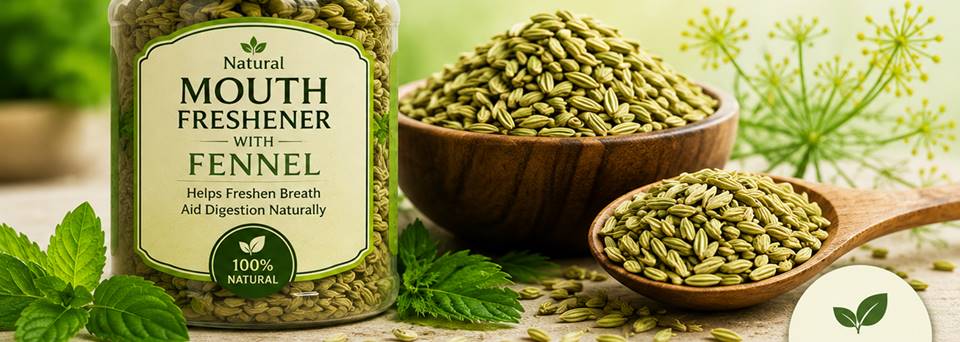
Fennel (Foeniculum vulgare) has been used in traditional Ayurvedic, and Chinese medicine as a natural remedy for digestive discomfort. After meals, many cultures consume fennel seeds to freshen breath and support digestion. But do these traditional uses have scientific support?
Modern research suggests that fennel contains several biologically active compounds such as anethole, fenchone, estragole, flavonoids, phenolic acids, and dietary fiber that exhibit antispasmodic, carminative, antimicrobial, antioxidant, and anti-inflammatory properties. These compounds may help reduce bloating, improve digestion, promote healthy gut function, and freshen breath. Although many research findings indicates that fennel can be a useful complementary approach for maintaining digestive wellness when consumed as part of a balanced diet.
Why Fennel Seeds Are Considered a Natural Digestive Aid
Fennel seeds are rich in essential oils, especially anethole, which is believed to relax gastrointestinal smooth muscles, reduce intestinal spasms, and facilitate the movement of gas through the digestive tract. These actions explain why fennel has traditionally been used after meals to ease indigestion, abdominal discomfort, and bloating.
Additionally, fennel provides dietary fiber, potassium, vitamin C, calcium, magnesium, and numerous antioxidant phytochemicals that contribute to overall gastrointestinal and metabolic health (Rather et al., 2016).

1. May Improve Digestive Health Naturally
One of fennel’s most recognized benefits is its ability to support healthy digestion. Fennel acts as a carminative, meaning it helps reduce gas formation while facilitating the expulsion of trapped intestinal gas. The volatile oils stimulate digestive secretions and help relax the muscles of the gastrointestinal tract.
Clinical studies have demonstrated promising digestive benefits. A randomized controlled trial reported that herbal preparations containing fennel significantly reduced symptoms of infantile colic, including crying duration and abdominal discomfort (Alexandrovich et al., 2003). While this study involved infants, it supports fennel’s well-established antispasmodic activity.
Research has also shown that fennel extracts may help reduce symptoms associated with functional gastrointestinal disorders, including abdominal cramping, bloating, and indigestion, by relaxing intestinal smooth muscles and improving gut motility (Badgujar et al., 2014).
Furthermore, laboratory studies indicate that fennel stimulates gastric secretion and digestive enzyme activity, promoting more efficient digestion and nutrient absorption. Although larger clinical trials in adults are still needed, current evidence suggests fennel may be beneficial for individuals experiencing occasional indigestion, gas, or post-meal discomfort.

2. May Support a Healthy Gut Microbiome
Gut health extends beyond digestion, it involves maintaining a balanced intestinal microbiome and protecting the intestinal lining from inflammation and oxidative stress.
Fennel contains polyphenols and essential oils with demonstrated antimicrobial activity against several harmful bacteria while potentially preserving beneficial gut microorganisms. Experimental studies suggest fennel extracts inhibit pathogens such as Escherichia coli, Staphylococcus aureus, and certain fungal species (Rather et al., 2016).
Additionally, fennel possesses antioxidant compounds that reduce oxidative stress within the gastrointestinal tract. Chronic oxidative stress can damage intestinal cells and contribute to inflammatory digestive disorders.
Research studies also indicate that fennel may improve intestinal barrier integrity and reduce inflammatory markers in the gut. These findings suggest potential applications in maintaining healthy gastrointestinal function, although robust human clinical evidence remains limited.
Because fennel seeds also provide dietary fiber, they may support beneficial gut bacteria by supplying fermentable substrates that contribute to short-chain fatty acid production, an important factor in maintaining colon health.

3. May Help Combat Bad Breath
Chewing fennel seeds after meals is a long-standing tradition across many cultures. This practice is supported by both their aromatic properties and antimicrobial activity.
Fennel seeds contain fragrant volatile oils that naturally freshen breath while stimulating saliva production. Increased saliva helps wash away food particles and neutralize odor-producing bacteria.
Several scientific studies demonstrate that fennel essential oil exhibits antibacterial effects against microorganisms associated with oral infections and halitosis. Anethole and other volatile compounds inhibit bacterial growth and may reduce unpleasant oral odors (Badgujar et al., 2014).
While fennel should not replace proper oral hygiene practices such as brushing and flossing, chewing a small amount of fennel seeds after meals may serve as a simple natural breath freshener.

Additional Health Benefits of Fennel Seeds
Beyond digestive health, fennel offers several additional scientifically supported health benefits.
Its antioxidant-rich profile helps neutralize free radicals that contribute to cellular aging and chronic diseases. Flavonoids, phenolic acids, and vitamin C provide protection against oxidative damage. Emerging evidence suggests fennel may exhibit mild anti-inflammatory effects by reducing inflammatory mediators involved in chronic disease development.
Some studies have explored fennel’s role in women’s health. Clinical trials indicate fennel supplementation may reduce menstrual pain and improve symptoms of primary dysmenorrhea through its antispasmodic effects (Hadis et al., 2021).
Research also suggests fennel may support lactation in breastfeeding mothers, although evidence remains limited and supplementation should only be undertaken under healthcare supervision. Medical studies indicate potential cholesterol-lowering and blood sugar-regulating effects, but these findings require confirmation in large human clinical trials.

How to Include Fennel in Your Daily Diet
Fennel is versatile and can easily become part of a healthy eating pattern. Common ways to consume fennel include:
- Chewing ½-1 teaspoon of roasted fennel seeds after meals
- Drinking fennel tea prepared from crushed seeds
- Adding fennel seeds to soups, curries, breads, and vegetable dishes
- Using fresh fennel bulbs in salads or roasted vegetables
- Incorporating fennel into herbal digestive formulations
Moderate dietary intake is generally considered safe for healthy adults.
Safety Considerations
Fennel consumed as a food is generally recognized as safe. However, concentrated fennel supplements and essential oils should be used cautiously. Individuals who are allergic to carrots, celery, mugwort, or other Apiaceae family plants may also experience allergic reactions to fennel. Because fennel contains phytoestrogenic compounds, individuals with hormone-sensitive medical conditions should consult their healthcare provider before taking high-dose supplements.
Pregnant women should avoid medicinal doses of fennel unless recommended by their physician.
The Bottom Line
Medica; research evidence largely supports the traditional use of fennel as a digestive herb. Its unique combination of anethole, antioxidants, dietary fiber, and essential oils may help improve digestion, reduce bloating, support gut health, and naturally freshen breath. Additional research suggests potential anti-inflammatory, antioxidant, and women’s health benefits.
Written By: Dr Rajesh K Verma, Sr. Manager R&D at BRITANNIA Industries.