

Managing blood sugar does not mean eliminating fruit from the diet. In fact, whole fruits can be part of a healthy eating pattern for people with diabetes.
Fruits provide dietary fiber, vitamins, minerals, polyphenols and other bioactive compounds that can contribute to overall metabolic health. The American Diabetes Association recommends fresh, frozen, or canned fruits without added sugar as suitable choices for people with diabetes [1].
Research also suggests that whole-fruit consumption may be associated with better metabolic outcomes. A recent systematic review and meta-analysis of randomized controlled trials found that whole-fruit-based products were associated with modest reductions in HbA1c and fasting blood glucose among people with type 2 diabetes. However, fruit should be viewed as one component of an overall diabetes-management plan rather than as a treatment by itself [2].
Among the many fruits available, berries, apples, guava, citrus fruits and kiwifruit are particularly useful choices because they combine relatively favorable carbohydrate profiles with fiber and phytochemicals. Here is what the research tells us about these five fruits.
1. Berries
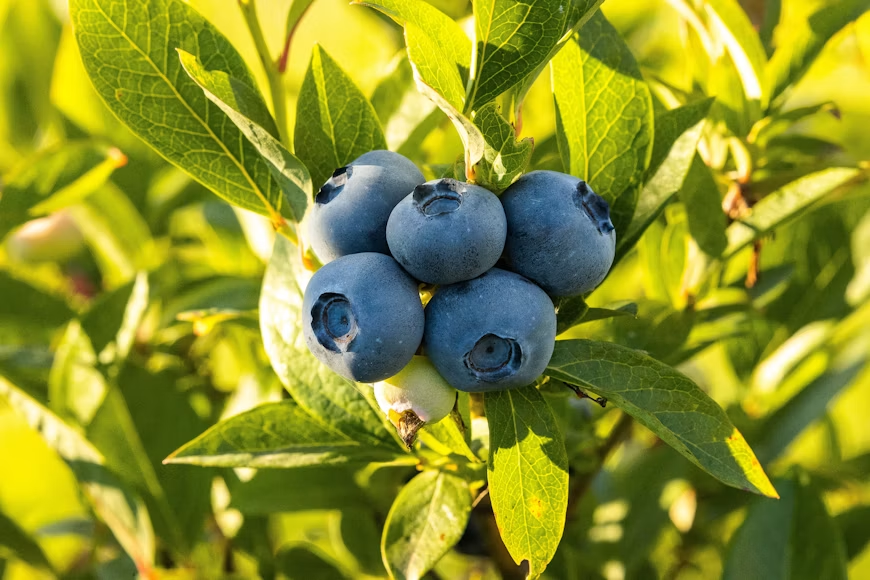
Berries such as blueberries, strawberries and blackberries are among the most nutrient-dense fruits for a blood-sugar-conscious diet. They generally provide relatively little carbohydrate per serving while supplying dietary fiber, vitamin C and polyphenols, including anthocyanins in many dark-colored berries.
Anthocyanins have attracted considerable scientific interest because of their antioxidant and potential metabolic effects. Observational research has found particularly favorable associations between blueberry consumption and type 2 diabetes risk. In three large prospective cohort studies, consuming three servings of blueberries per week was associated with a lower risk of developing type 2 diabetes [3].
Berries are also versatile. They can be eaten whole, added to unsweetened yogurt or incorporated into a meal containing protein and healthy fats. Choosing whole berries rather than sweetened berry products is important because added sugars can substantially change the nutritional profile.

2. Apples
Apples are another practical fruit for people managing blood glucose. They contain carbohydrates, but their fiber and polyphenol content can help make them a more balanced carbohydrate choice than many highly processed sweet foods.
One important component is pectin, a soluble fiber found in apples. Soluble fiber can slow gastric emptying and carbohydrate absorption, potentially moderating the rise in blood glucose after eating. Apples also provide polyphenols, including flavonoids such as quercetin.
Large prospective cohort research has found favorable associations between apple and pear consumption and type 2 diabetes risk. In the BMJ study of three cohorts, each additional three servings per week of apples and pears was associated with a lower risk of type 2 diabetes [4].
For blood-sugar management, eating an apple whole is generally preferable to drinking apple juice because the whole fruit retains its fiber and requires more chewing. Combining an apple with a source of protein or healthy fat, such as unsweetened yogurt or a small portion of nuts, can also make a snack more satisfying.

3. Guava
Guava is particularly relevant for Indian diets because it is widely available, affordable and nutrient-rich. It provides dietary fiber and is an excellent source of vitamin C, while whole guava has a relatively modest carbohydrate load compared with many sweet snacks and desserts.
Fiber is especially important in diabetes-friendly eating because it contributes to satiety and can slow the digestion and absorption of carbohydrates. Rather than focusing solely on the glycemic index of a food, it is useful to consider the whole nutritional package, serving size and total carbohydrate content [5].
Guava can be eaten whole after washing, with its edible seeds and skin if preferred. It can also be included in fruit salads without added sugar. However, adding sugar, syrups or sweetened sauces can turn an otherwise nutritious fruit into a less suitable choice for blood-glucose management.

4. Citrus Fruits
Citrus fruits, including oranges, grapefruit and mandarins, provide vitamin C, fiber and numerous plant compounds. Citrus flavonoids such as hesperidin and naringenin have been investigated for their potential roles in glucose metabolism and insulin signaling.
Whole oranges are generally preferable to orange juice for people trying to manage blood glucose because the intact fruit contains fiber and is more filling. The ADA specifically recognizes whole fresh fruit as an appropriate option for diabetes meal planning.
Long-term observational evidence has also found favorable associations for some citrus fruits. In the BMJ cohort analysis, replacing fruit juice with whole fruits such as oranges was associated with a lower risk of type 2 diabetes. Importantly, these are observational findings and do not prove that eating oranges directly prevents diabetes [4, 5].
People taking certain medications should also be aware that grapefruit can interact with some medicines. Anyone using prescription medication should check with a healthcare professional before regularly consuming grapefruit.
5. Kiwifruit
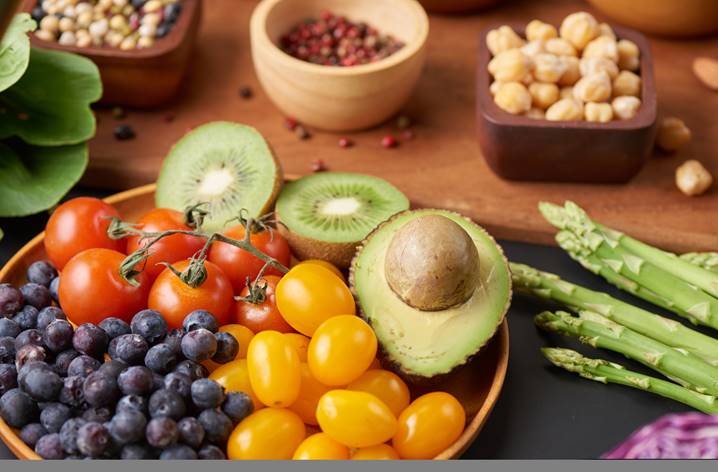
Kiwifruit provides vitamin C, fiber and a variety of plant compounds while having a relatively low glycemic impact compared with many carbohydrate-rich foods. Its combination of fiber and water can contribute to fullness, making it a useful addition to a balanced breakfast or snack.
Kiwifruit can be eaten on its own or combined with plain yogurt, nuts or seeds. The key is to consume it as whole fruit rather than as a sweetened juice or smoothie containing additional sugars.
Although specific fruits may have favorable nutritional characteristics, evidence should not be interpreted as meaning that kiwi or any other individual fruit can independently “control” diabetes. Blood glucose is influenced by the complete meal, portion size, physical activity, medications, sleep and overall dietary pattern.
Quick Comparison of the Five Fruits
| Fruit | Fiber | Antioxidant Compounds | Vitamin C | Diabetes-Friendly Feature |
| Berries | High | Anthocyanins, flavonoids | Moderate-high | Low-calorie, fiber-rich option |
| Apple | Moderate | Quercetin, polyphenols | Moderate | Convenient whole-fruit snack |
| Guava | High | Carotenoids, flavonoids | Very high | Fiber-rich tropical fruit |
| Citrus | Moderate | Hesperidin, naringenin | High | Whole fruit provides fiber and vitamin C |
| Kiwifruit | Moderate | Flavonoids, carotenoids | High | Nutrient-dense, relatively low glycemic impact |
Important: Glycemic index can vary according to fruit variety, ripeness, serving size and preparation. Therefore, GI should not be used as the only criterion for choosing fruits for diabetes. Whole-fruit intake and portion control are more useful practical considerations.
How Much Fruit Can You Eat With Diabetes?
There is no universal fruit serving that works for everyone with diabetes. Individual carbohydrate requirements, medications, physical activity and blood-glucose response should be considered. The ADA notes that a small piece of whole fruit or approximately ½ cup of frozen or canned fruit contains about 15 grams of carbohydrate, although carbohydrate content varies substantially between fruits and serving sizes.
A useful strategy is to prioritize whole fruit over juice, monitor portions and include fruit as part of a balanced meal plan. Dried fruit deserves particular attention because removing water concentrates carbohydrates; the ADA notes that only about two tablespoons of some dried fruits can provide approximately 15 grams of carbohydrate.
Whole Fruit Is Better Than Fruit Juice for Blood Sugar Management
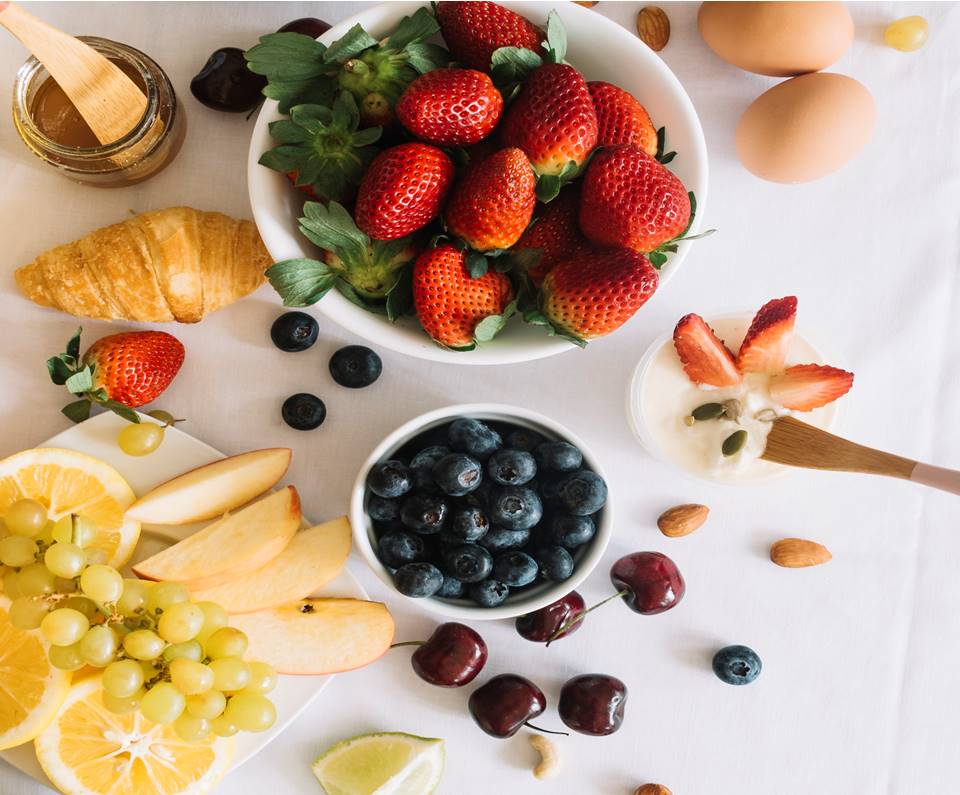
One of the most important distinctions is between whole fruit and fruit juice. Juicing removes much of the physical structure of the fruit and makes it easier to consume a large amount of carbohydrate quickly. Long-term observational research has also reported a less favorable association between fruit juice consumption and type 2 diabetes compared with whole fruit.
Therefore, choosing a whole apple instead of apple juice, whole orange instead of orange juice, or whole berries instead of a sweetened fruit beverage is generally a better strategy for a diabetes-friendly eating pattern.
The Bottom Line
Berries, apples, guava, citrus fruits and kiwifruit can all fit into a healthy diet for people with diabetes. Their fiber, vitamins, minerals and plant compounds make them nutritionally valuable choices. Research suggests that greater consumption of whole fruit may potentially contribute to, better metabolic health, while recent randomized evidence indicates modest improvements in HbA1c and fasting glucose with whole-fruit interventions.
References
- American Diabetes Association. Fruit: Best Fruit Choices for Diabetes. American Diabetes Association.
- American Diabetes Association. Standards of Care in Diabetes-2026: Facilitating Positive Health Behaviors and Well-being to Improve Health Outcomes. Diabetes Care. 2026.
- Muraki I, et al. Fruit consumption and risk of type 2 diabetes: results from three prospective longitudinal cohort studies. BMJ. 2013; 347:f6935.
- Carter P, et al. Fruit and vegetable intake and incidence of type 2 diabetes mellitus: systematic review and meta-analysis. BMJ. 2010; 341:c4229.
- Li M, et al. Fruit and vegetable intake and risk of type 2 diabetes mellitus: meta-analysis of prospective cohort studies. BMJ Open. 2014; 4:e005497.
- Richardson et al. The nutritional and health attributes of kiwifruit: a review. Eur J Nutr. 2018; 57(8):2659-2676.