

India’s health and wellness industry has experienced remarkable growth over the past decade, driven by increasing health awareness, preventive healthcare practices, changing lifestyles, and greater access to scientific information.
According to industry reports, the Indian nutraceutical market is expanding rapidly due to rising disposable incomes, urbanization, and growing consumer demand for evidence-based wellness products. Following the COVID-19 pandemic, consumers have become more proactive about maintaining their health through nutrition, dietary supplements, functional foods, and herbal formulations. Today, Indians are not only seeking products that help manage nutritional deficiencies but also those that support immunity, digestive health, fitness, cognitive function, and healthy aging. This shift has transformed the health products market into one of the fastest-growing segments of the healthcare industry.

1. Dietary Supplements
Dietary supplements have become one of the most sought-after health products in India. These supplements are designed to provide nutrients that may not be consumed in sufficient quantities through daily diets. Busy lifestyles, processed food consumption, and nutritional gaps have encouraged millions of people to incorporate supplements into their daily routines.
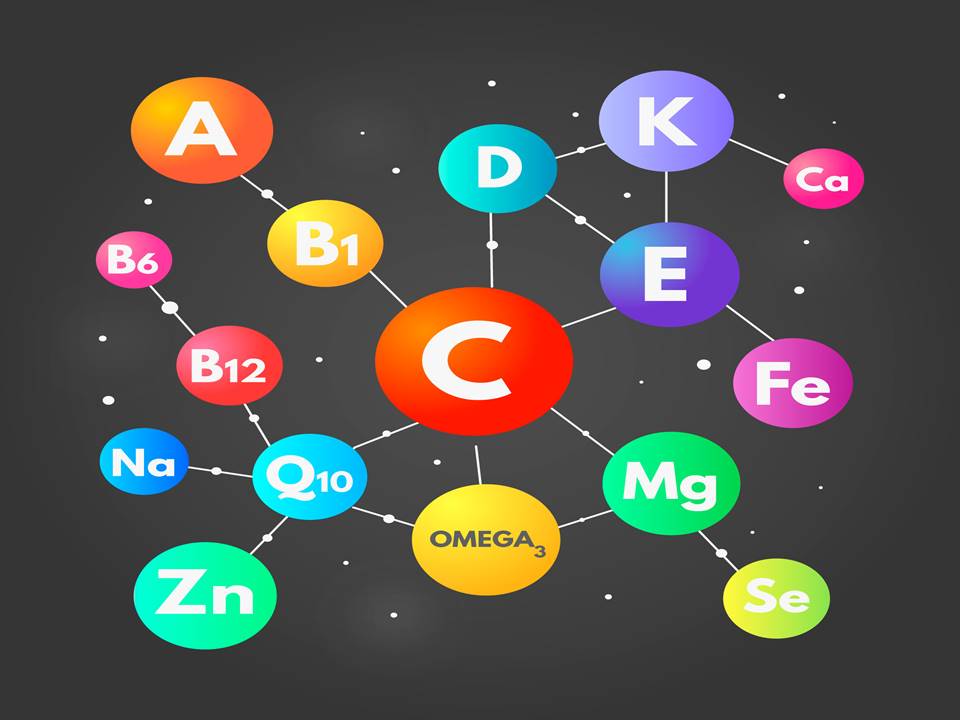
Dietary supplements include vitamins, minerals, amino acids, herbal extracts, omega-3 fatty acids, probiotics, antioxidants, collagen peptides, and specialty ingredients such as coenzyme Q10 and magnesium. Scientific evidence suggests that dietary supplements can help address nutrient deficiencies and support overall health when used appropriately alongside a balanced diet (NIH Office of Dietary Supplements, 2024).
The popularity of supplements has also increased due to growing awareness among healthcare professionals, fitness enthusiasts, and preventive healthcare advocates. Consumers now recognize that proper nutrition contributes significantly to energy production, immune defense, cardiovascular health, cognitive performance, and musculoskeletal function.
2. Multivitamins and Minerals
Multivitamin and mineral supplements remain among the best-selling health products in India because micronutrient deficiencies are relatively common. Studies have shown that deficiencies in vitamin D, vitamin B12, iron, calcium, magnesium, zinc, and folate continue to affect a significant proportion of the Indian population due to dietary habits, limited sun exposure, vegetarian diets, and lifestyle factors.
Multivitamins provide a convenient way to support daily nutritional requirements. Many formulations are tailored for specific populations, including children, women, men, older adults, pregnant women, and individuals with active lifestyles. Modern formulations often combine essential vitamins with minerals, antioxidants, botanical extracts, and adaptogens to provide broader wellness benefits.
Clinical research indicates that correcting micronutrient deficiencies can improve immune function, support cognitive health, enhance bone strength, reduce fatigue, and contribute to normal metabolic processes. However, experts recommend choosing scientifically formulated products that comply with national regulatory standards and avoiding excessive supplementation unless recommended by a healthcare professional.

3. Herbal and Ayurvedic Products
India has a rich tradition of herbal medicine that spans thousands of years. Ayurvedic products continue to gain popularity among consumers seeking natural approaches to health and wellness. Modern scientific research has validated many traditional herbs for their pharmacological properties, leading to increased confidence among both healthcare professionals and consumers.
Some of the most popular Ayurvedic ingredients include Ashwagandha (Withania somnifera), Curcumin from turmeric (Curcuma longa), Giloy (Tinospora cordifolia), Tulsi (Ocimum sanctum), Brahmi (Bacopa monnieri), Amla (Phyllanthus emblica), Shatavari (Asparagus racemosus), and Triphala.
Clinical studies suggest that standardized Ashwagandha extracts may help support stress management and improve sleep quality. Curcumin has been extensively investigated for its antioxidant and anti-inflammatory properties, while Brahmi has shown potential benefits for memory and cognitive performance. Similarly, Amla provides natural vitamin C and polyphenols that contribute to antioxidant protection.
Consumers increasingly prefer standardized herbal extracts because they offer consistent concentrations of bioactive compounds and improved quality assurance compared to traditional preparations.
4. Protein and Sports Nutrition
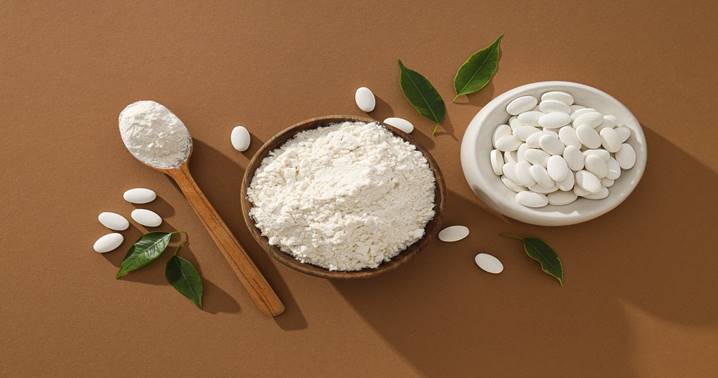
Protein supplements have moved beyond professional athletes and bodybuilders to become mainstream nutritional products. Increasing awareness of protein deficiency among Indians has significantly boosted demand for whey protein, plant-based protein, collagen peptides, branched-chain amino acids (BCAAs), essential amino acids (EAAs), and meal replacement formulations.
Protein plays a fundamental role in muscle protein synthesis, immune function, enzyme production, hormone synthesis, tissue repair, and healthy aging. Research indicates that adequate protein intake, combined with resistance exercise, supports muscle mass maintenance and physical performance.
Consumers now have access to diverse protein options, including whey protein isolate, whey concentrate, casein protein, soy protein, pea protein, rice protein, hemp protein, and mixed plant protein formulations. Plant-based proteins have gained popularity among vegetarians and individuals seeking dairy-free alternatives.
Sports nutrition products also include creatine monohydrate, electrolyte supplements, hydration formulas, recovery drinks, pre-workout supplements, and endurance nutrition products. These formulations are increasingly supported by clinical evidence and are widely used by recreational exercisers as well as competitive athletes.

5. Immunity and Gut Health Supplements
The demand for immunity-supporting products increased dramatically following the COVID-19 pandemic and has remained strong. Consumers increasingly recognize that immune health is closely connected to nutritional status, healthy lifestyle habits, and gut microbiota.
Popular immunity supplements include vitamin C, vitamin D, zinc, selenium, elderberry, echinacea, beta-glucans, medicinal mushrooms, probiotics, and herbal extracts. These ingredients help support normal immune function rather than prevent or treat disease.
Gut health has emerged as another major wellness trend due to growing scientific understanding of the gut microbiome. Probiotics, prebiotics, synbiotics, digestive enzymes, dietary fiber, and postbiotics are now commonly included in nutritional supplements. Clinical research indicates that maintaining a balanced gut microbiota contributes to digestive comfort, nutrient absorption, immune regulation, and metabolic health.
Consumers are also increasingly interested in fermented foods, kombucha, kefir, yogurt, and fiber-rich nutritional products that naturally support microbial diversity. Personalized nutrition and microbiome testing are expected to further drive this market in the coming years.

Why Consumers Prefer Quality Health Products
Modern consumers are becoming more informed and selective when purchasing health products. Instead of choosing products solely based on advertising or price, many individuals now evaluate scientific evidence, ingredient quality, manufacturing standards, and regulatory compliance before making purchasing decisions.
Quality health products typically use standardized ingredients, clinically studied dosages, transparent labeling, and rigorous quality testing. Products manufactured in facilities that follow Good Manufacturing Practices (GMP) and comply with applicable regulatory requirements provide greater confidence in their safety and consistency.
Consumers also prefer products that undergo third-party testing for identity, purity, potency, and contaminants such as heavy metals and microbial impurities. Clear labeling, traceable sourcing, scientifically validated formulations, and evidence-based health claims have become important purchasing factors.
Healthcare professionals increasingly recommend choosing products from reputable manufacturers that invest in research, clinical validation, and quality assurance. Such products are more likely to deliver consistent nutritional value while minimizing the risk of adulteration or inaccurate labeling.
Furthermore, digital health awareness has empowered consumers to compare ingredients, review scientific literature, and seek professional guidance before selecting supplements. This trend is expected to encourage higher industry standards and continued innovation in the nutraceutical sector.
Conclusion
India’s health products market continues to evolve as consumers prioritize preventive healthcare and evidence-based wellness solutions. Dietary supplements, multivitamins, herbal and Ayurvedic products, protein nutrition, and immunity and gut health supplements have become integral components of modern health management. While these products can support overall wellness and help address nutritional gaps, they are most effective when combined with a balanced diet, regular physical activity, adequate sleep, and healthy lifestyle habits. Choosing high-quality products manufactured under recognized quality standards and using supplements responsibly under the guidance of healthcare professionals can help consumers make informed decisions and achieve their long-term health goals.